
What Are the Best Practices for Using a Weight and Packing Machine?
In an industrial setting, the efficiency and accuracy of weight and packing machines are essential for maintaining productivity and minimizing waste. By adhering to industry best practices, businesses can maximize the performance of these machines and optimize their operations.
1. Proper Machine Selection
Choosing the right weight and packing machine for your specific application is crucial. Consider factors such as the type of product being handled, packaging requirements, and production volume. Adequate capacity and speed are essential to avoid bottlenecks and ensure smooth production.
2. Precision Calibration
Regularly calibrate the machine to ensure accurate weighing and packaging. This involves using certified test weights and adjusting the settings accordingly. Poor calibration can lead to significant losses due to over- or under-filling.
3. Optimized Machine Setup
Proper setup is vital. Ensure proper product placement, alignment, and tension in the feed system. Loose or misaligned products can affect weighing accuracy. Additionally, installing a dust collection system can reduce product contamination and sensor malfunctions.
4. Regular Cleaning and Maintenance
A clean and well-maintained machine is essential for optimal performance. Establish a regular cleaning and maintenance schedule to remove dust, debris, and product residue. Failure to clean can impact sensor performance and lead to operational issues.
5. Operator Training
Train operators on proper machine operation, adjustment, and troubleshooting techniques. Certified operators can identify and resolve minor issues promptly, reducing downtime and ensuring consistent performance.
6. Continuous Monitoring
Monitor the machine’s performance regularly through dashboards, sensors, or real-time reporting systems. This enables prompt detection of any deviations from optimal operation, allowing for timely intervention.
7. Data Analysis and Optimization
Analyze data collected from the machine to identify trends, optimize settings, and improve efficiency. By reviewing production logs, identifying bottlenecks, and fine-tuning parameters, businesses can continuously improve the machine’s performance.
8. Ergonomics and Safety
Ensure that the weight and packing machine is ergonomically designed for operator comfort and safety. Proper posture and accessibility are crucial for reducing fatigue and preventing injuries.
9. Quality Assurance
Establish a quality assurance program to verify the accuracy of weights and the integrity of packaging. This includes periodic product sampling, visual inspections, and testing to ensure compliance with regulations and customer specifications.
10. Software Updates
Keep the machine’s software up-to-date with the latest firmware and patches. Software updates often include performance enhancements, bug fixes, and new features that can improve the machine’s efficiency and functionality.


-
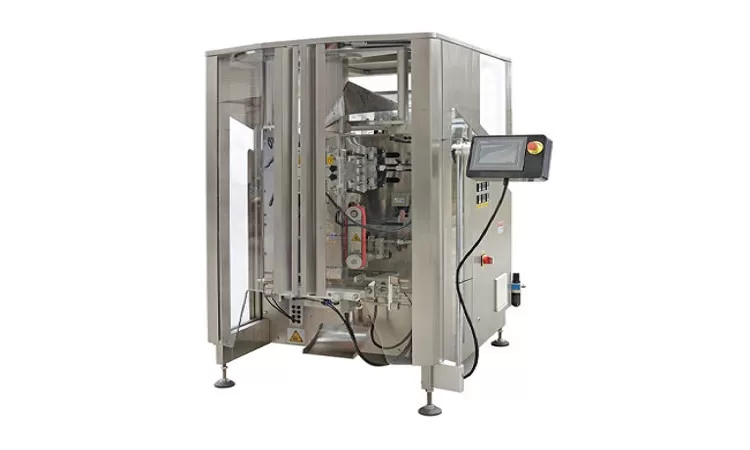
VFFS Equipment: The Ultimate Guide to Vertical Form Fill Seal Technology
13-03-2026 -
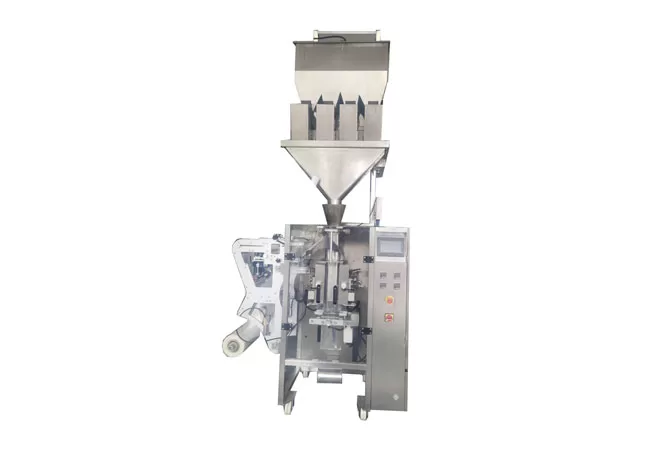
The Essential Guide to Weight Packing Machines for Precision Weighing
12-03-2026 -
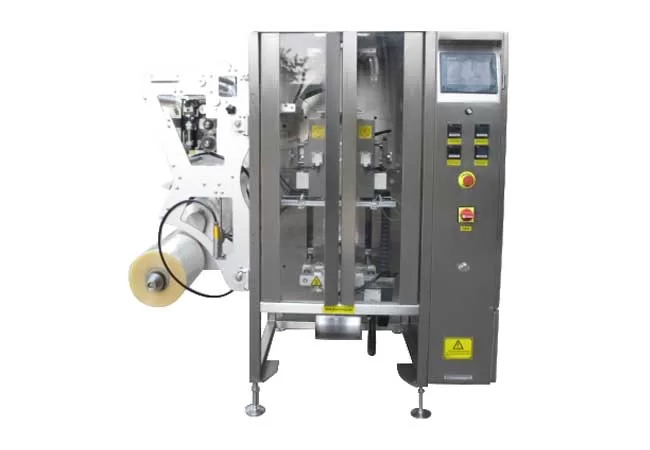
Power Packing Machine: The Ultimate Guide to Heavy-Duty Packaging Efficiency
11-03-2026 -
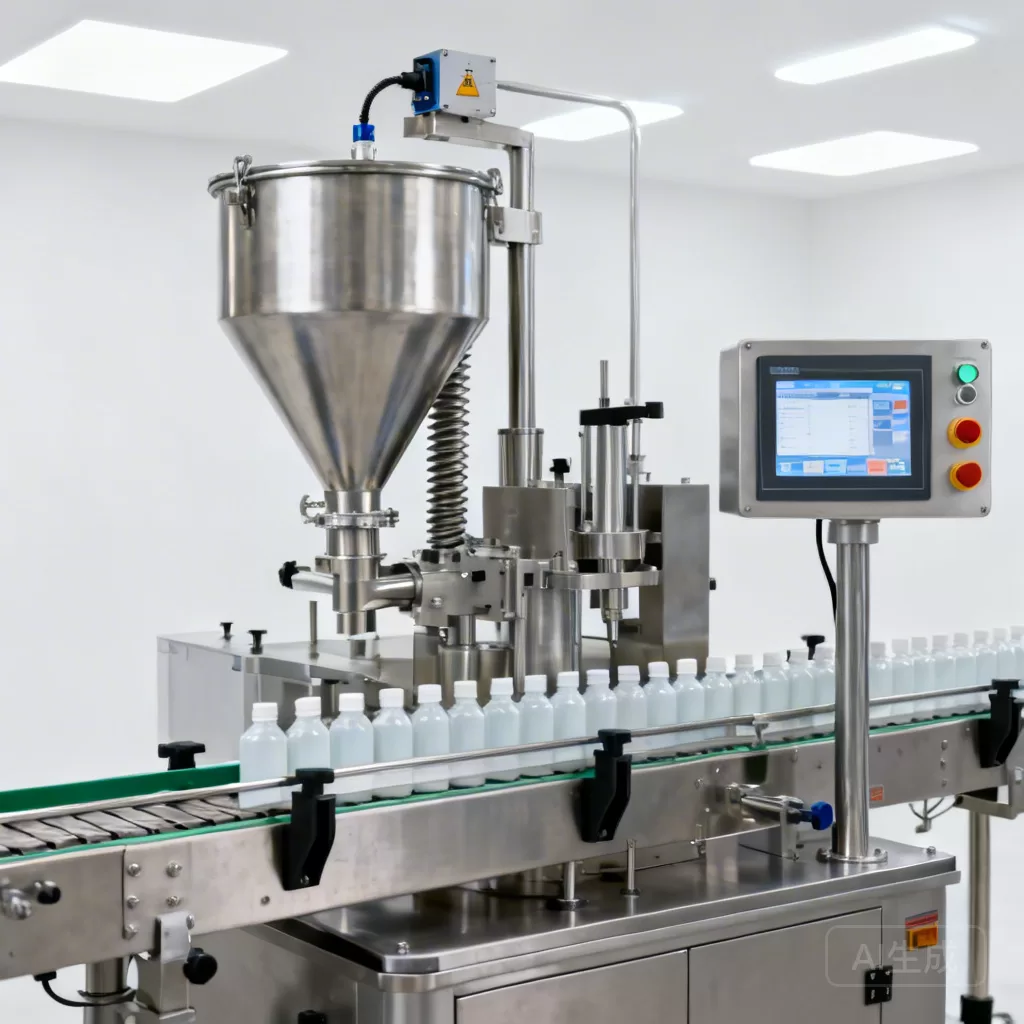
Weigher Packing Machine: The Definitive Guide to Precision Weighing & Packaging
10-03-2026 -
Auger Type Powder Filling Machine: The Ultimate Guide to Precision Packaging
09-03-2026 -
Advanced Packing Solutions: Snacks, Sugar, and Frozen Food Machines
29-10-2025 -
Efficient and Reliable Solutions for Salt, Nuts, and Frozen Dumplings Packing
29-10-2025 -
High-Performance Biscuits, Lollipop, and Ketchup Packing Machines for Modern Food Production
29-10-2025 -
Efficient Liquid Filling and Packing Machines for Modern Production
23-10-2025 -
Reliable Granule Packaging Machines for Efficient Production
23-10-2025
