
Understanding the Role of Technology in Tomato Paste Packaging
Tomato paste, a concentrated form of tomatoes widely used as an ingredient in myriad cuisines, demands effective packaging solutions to preserve its quality and integrity. Technology plays an indispensable role in designing and manufacturing tomato paste packaging, ensuring its protection from environmental factors, contamination, and spoilage. This article delves into the various technological advancements contributing to the efficiency and efficacy of tomato paste packaging.
Material Advancements
The choice of packaging material significantly impacts the shelf life and preservation of tomato paste. Traditionally, glass jars were commonly used, but advancements in plastics and flexible packaging have introduced more cost-efficient and versatile options. Laminated plastic pouches, for instance, offer a lightweight, flexible, and airtight barrier, protecting against light and moisture penetration. Moreover, the use of barrier films and oxygen absorbers helps prevent oxidation and maintain the paste’s freshness and color.
Automated Filling and Sealing
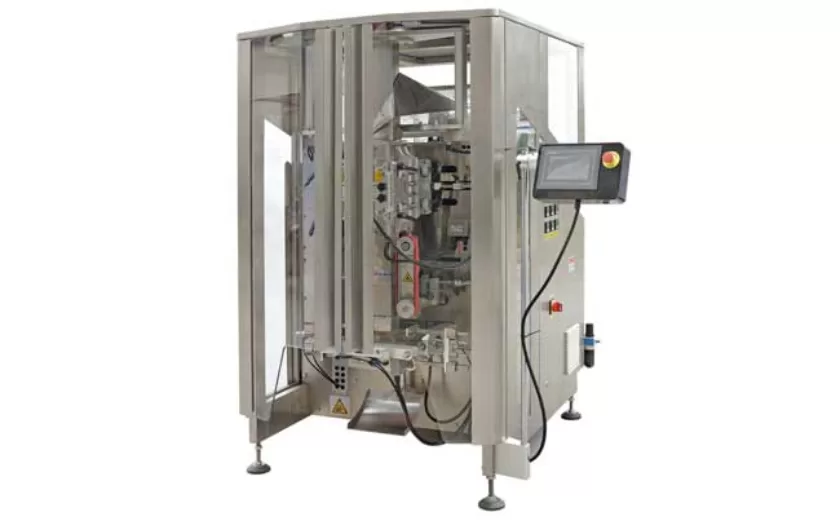
Automation in tomato paste packaging has revolutionized production efficiency. Automatic filling machines precisely dispense the paste into containers, ensuring accurate and consistent fills. Advanced sealing technologies, such as ultrasonic sealing and heat sealing, create airtight and tamper-evident seals, ensuring product integrity. Automated systems also improve hygiene and minimize human error, reducing the risk of contamination.
Quality Inspection
Maintaining the quality of tomato paste requires stringent quality control measures. Advanced technologies, such as optical sorting and X-ray inspection, identify and remove foreign objects, ensuring the absence of physical contaminants. Color and consistency checks using spectrophotometers and viscometers ensure that the paste meets specified quality standards. Non-destructive testing methods, such as ultrasonic testing, detect any hidden defects or imperfections in the packaging.
Sustainability Initiatives
Technology enables sustainable packaging practices for tomato paste. The use of biodegradable and recyclable materials reduces environmental impact. Moreover, lightweight packaging designs minimize transportation costs and carbon emissions. Some advancements include the development of edible coatings, which provide additional protection while also being biodegradable. By adopting sustainable packaging solutions, manufacturers can align with consumer demand for environmentally responsible products.
Smart Packaging
Emerging technologies are paving the way for smart tomato paste packaging. Sensors embedded within the packaging monitor temperature and other environmental conditions, providing real-time data on the paste’s freshness and storage conditions. This information can be transmitted to consumers through mobile applications, enabling them to make informed purchasing decisions and reduce food waste. Smart packaging also facilitates inventory management and traceability, ensuring efficient supply chain operations.
Understanding the role of technology in tomato paste packaging is imperative for maintaining product quality, safety, and sustainability. Technological advancements have transformed the industry, from advanced materials and automated processes to quality inspection and smart packaging solutions. By embracing these technologies, manufacturers can enhance the efficiency and efficacy of tomato paste packaging, ensuring the delivery of high-quality products to consumers while reducing environmental impact and meeting the demands of modern consumers.


-
VFFS Equipment: The Ultimate Guide to Vertical Form Fill Seal Technology
13-03-2026 -
The Essential Guide to Weight Packing Machines for Precision Weighing
12-03-2026 -
Power Packing Machine: The Ultimate Guide to Heavy-Duty Packaging Efficiency
11-03-2026 -
Weigher Packing Machine: The Definitive Guide to Precision Weighing & Packaging
10-03-2026 -
Auger Type Powder Filling Machine: The Ultimate Guide to Precision Packaging
09-03-2026 -
Advanced Packing Solutions: Snacks, Sugar, and Frozen Food Machines
29-10-2025 -
Efficient and Reliable Solutions for Salt, Nuts, and Frozen Dumplings Packing
29-10-2025 -
High-Performance Biscuits, Lollipop, and Ketchup Packing Machines for Modern Food Production
29-10-2025 -
Efficient Liquid Filling and Packing Machines for Modern Production
23-10-2025 -
Reliable Granule Packaging Machines for Efficient Production
23-10-2025
