
Understanding the Components and Functionality of a Weighing Filling Packing Machine
Introduction
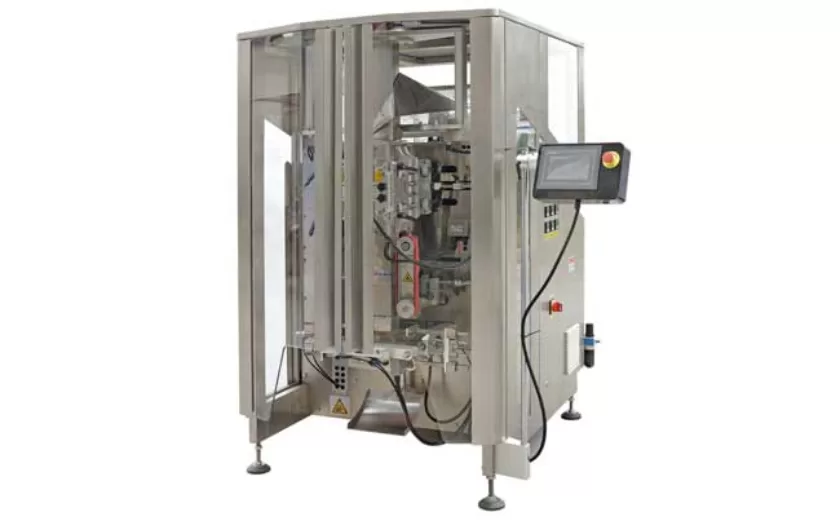
Weighing filling packing machines are essential equipment in various industries, including food and beverage, pharmaceutical, and chemical industries. Understanding their components and functionality is crucial for optimizing their performance and ensuring efficient operation. This article delves into the key components and functionalities of these machines, providing comprehensive insights.
Components of a Weighing Filling Packing Machine
Weighing System
The weighing system is the core component that determines the accuracy and speed of filling. It typically consists of:
– Load cells: Sensors that measure the weight of the product being filled.
– Controller: A device that processes signals from the load cells and calculates the weight.
– Display: A screen that shows the weight and other information.
Filling System
The filling system transfers the product from the hopper to the packaging. It may involve:
– Vibratory bowl: A vibrating container that feeds the product to the filling unit.
– Auger filler: A rotating screw that dispenses the product into containers.
– Scale: A platform that weighs the product during filling.
Packaging System
The packaging system forms and seals the packaging material around the filled product. Common components include:
– Bag former: A device that shapes the packaging material into the desired shape.
– Sealing station: A unit that applies heat or pressure to create a hermetic seal.
– Container conveyor: A system that moves the filled containers through the packaging process.
Functionality of a Weighing Filling Packing Machine
Weighing Process
The weighing process involves:
– Feeding the product into the weighing system.
– Measuring the weight of the product using load cells.
– Calculating the dispensed amount based on the target weight.
Filling Process
Once the weight is determined, the filling process begins:
– The filling system dispenses the product into the packaging.
– The scale monitors the weight and stops filling when the target weight is reached.
Packaging Process
The packaging process follows the filling process:
– The bag former shapes the packaging material.
– The filling system fills the packaging with the product.
– The sealing station creates a sealed package.
– The container conveyor transports the filled and sealed packages.
Conclusion
Understanding the components and functionality of a weighing filling packing machine is crucial for its efficient operation and maintenance. By delving into the key components and their functions, stakeholders can optimize performance, minimize downtime, and ensure consistent product quality. With this knowledge, industries can leverage the capabilities of these machines to enhance their packaging processes and fulfill their production goals.


-
VFFS Equipment: The Ultimate Guide to Vertical Form Fill Seal Technology
13-03-2026 -
The Essential Guide to Weight Packing Machines for Precision Weighing
12-03-2026 -
Power Packing Machine: The Ultimate Guide to Heavy-Duty Packaging Efficiency
11-03-2026 -
Weigher Packing Machine: The Definitive Guide to Precision Weighing & Packaging
10-03-2026 -
Auger Type Powder Filling Machine: The Ultimate Guide to Precision Packaging
09-03-2026 -
Advanced Packing Solutions: Snacks, Sugar, and Frozen Food Machines
29-10-2025 -
Efficient and Reliable Solutions for Salt, Nuts, and Frozen Dumplings Packing
29-10-2025 -
High-Performance Biscuits, Lollipop, and Ketchup Packing Machines for Modern Food Production
29-10-2025 -
Efficient Liquid Filling and Packing Machines for Modern Production
23-10-2025 -
Reliable Granule Packaging Machines for Efficient Production
23-10-2025
