
Understanding Liquid Packaging Machines- A Comprehensive Guide
“Understanding Liquid Packaging Machines: A Comprehensive Guide” is an in-depth resource that delves into the intricacies of liquid packaging machines. It provides readers with a thorough understanding of these essential machines, empowering them to make informed decisions when selecting and operating them.
Types of Liquid Packaging Machines
Liquid packaging machines come in various types, each tailored to specific packaging needs:
– Fill-and-Seal Machines: These machines measure precise amounts of liquid into pre-formed containers, then seal them shut.
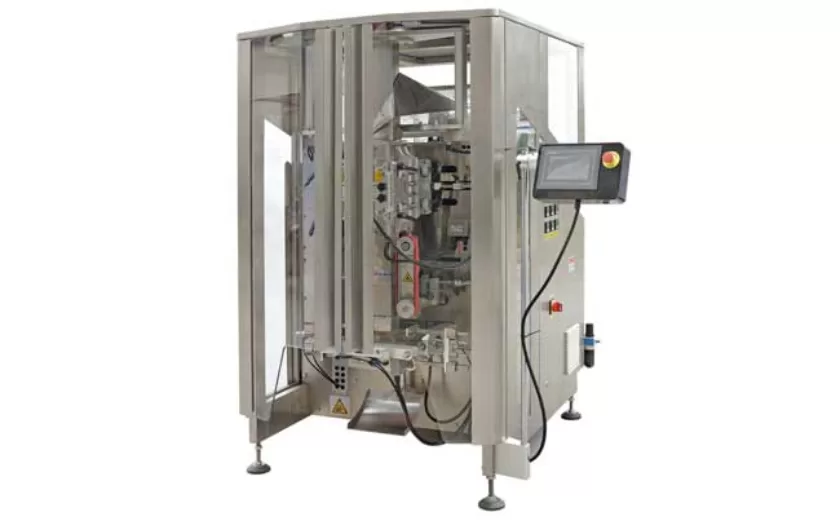
– Form-Fill-Seal Machines: These machines create flexible packages from raw materials, fill them with liquid, and seal them simultaneously.
– Capping Machines: These machines attach caps to filled bottles or jars.
Components of Liquid Packaging Machines
Liquid packaging machines consist of a range of components, including:
– Filling System: This system accurately dispenses the desired amount of liquid into containers.
– Packaging Material: The type of material used depends on the liquid’s properties and required shelf life.
– Sealing System: This system ensures that packages are sealed securely to prevent leaks or contamination.
– Control System: This system manages the machine’s functions, including filling, sealing, and capping.
Applications of Liquid Packaging Machines
Liquid packaging machines find widespread applications in various industries, including:
– Food and Beverage: These machines package products such as juices, soda, and milk.
– Pharmaceuticals: They package liquid medications and vaccines in sterile environments.
– Chemicals: They dispense and seal hazardous liquids for safe handling and transportation.
– Cosmetics: These machines package liquid makeup, lotions, and perfumes.
Factors to Consider When Selecting a Liquid Packaging Machine
Choosing the right liquid packaging machine involves considering several factors:
– Product Characteristics: The viscosity, acidity, and shelf life of the liquid influence the machine’s design and materials.
– Production Volume: The required output speed and batch size determine the machine’s capacity and efficiency.
– Packaging Requirements: The desired package shape, size, and sealing method guide the machine’s capabilities.
– Budget: The cost of the machine and ongoing maintenance should fit within the project’s financial constraints.
Maintenance and Troubleshooting
Proper maintenance is crucial for the optimal performance of liquid packaging machines:
– Regular Cleaning and Inspection: Machines should be cleaned and inspected at regular intervals to prevent breakdowns.
– Preventative Maintenance: Proactive maintenance measures, such as replacing filters and lubricating parts, extend the machine’s lifespan.
– Troubleshooting: Common problems, such as leaks or insufficient sealing, have practical solutions that can be identified through troubleshooting.
By understanding the principles outlined in “Understanding Liquid Packaging Machines: A Comprehensive Guide,” readers gain the knowledge and skills necessary to effectively select, operate, and maintain these machines for their specific packaging needs.


-
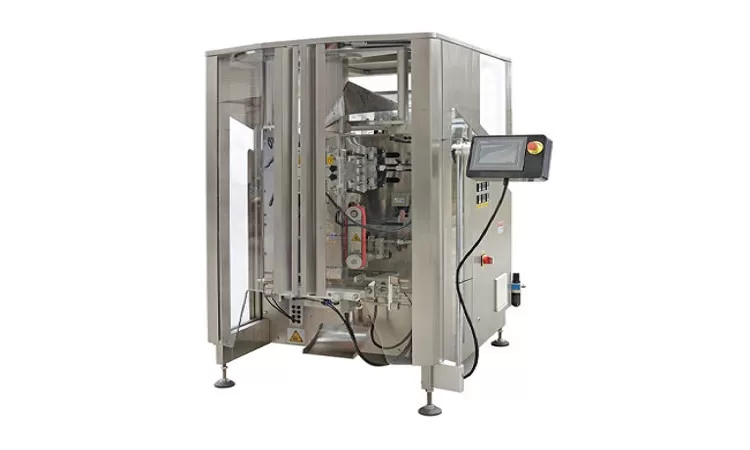
VFFS Equipment: The Ultimate Guide to Vertical Form Fill Seal Technology
13-03-2026 -
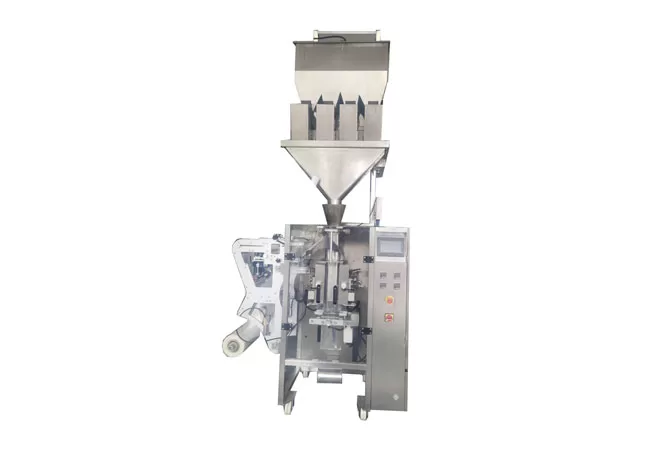
The Essential Guide to Weight Packing Machines for Precision Weighing
12-03-2026 -
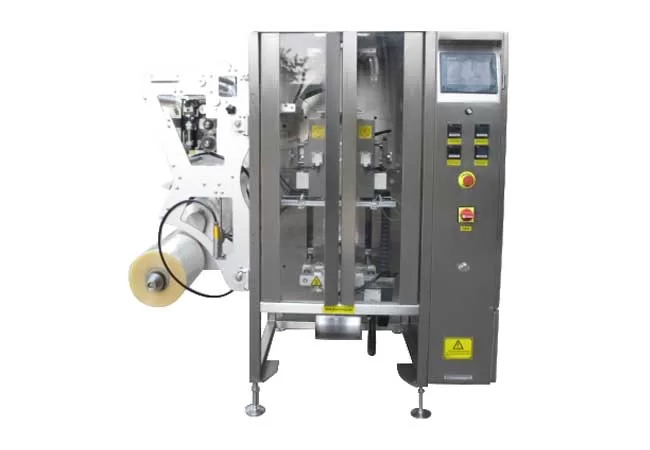
Power Packing Machine: The Ultimate Guide to Heavy-Duty Packaging Efficiency
11-03-2026 -
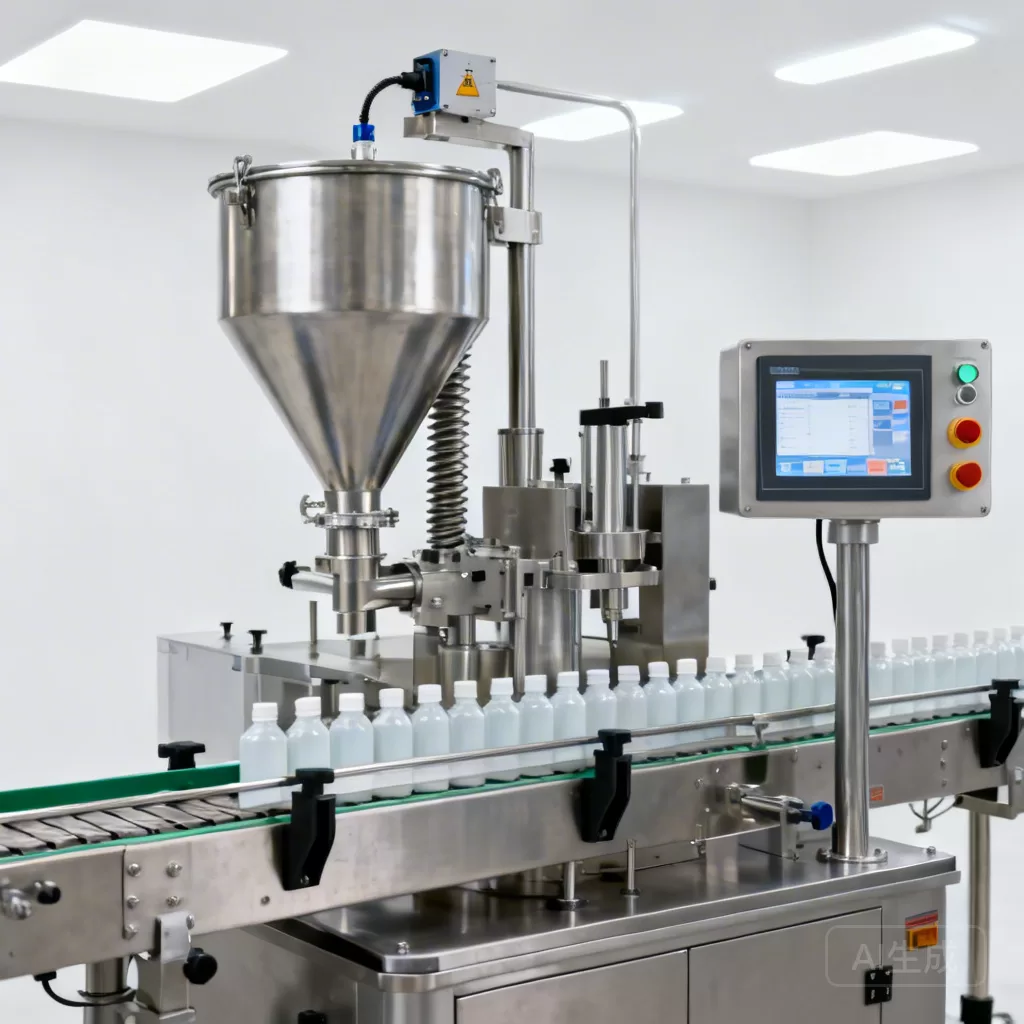
Weigher Packing Machine: The Definitive Guide to Precision Weighing & Packaging
10-03-2026 -
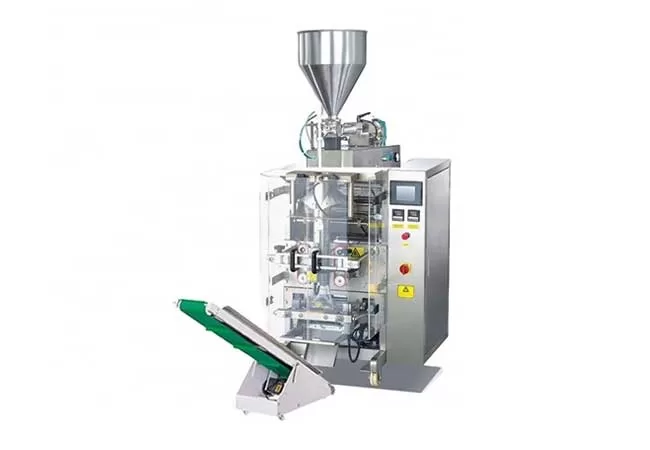
Auger Type Powder Filling Machine: The Ultimate Guide to Precision Packaging
09-03-2026 -
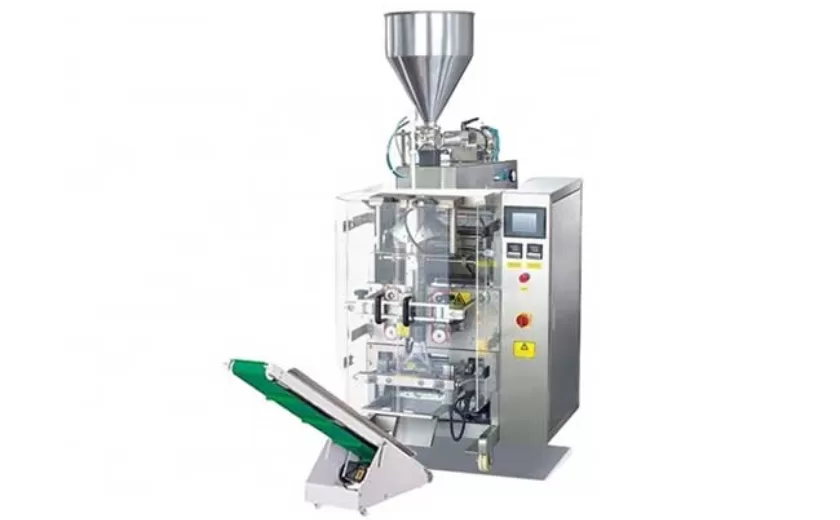
Advanced Packing Solutions: Snacks, Sugar, and Frozen Food Machines
29-10-2025 -
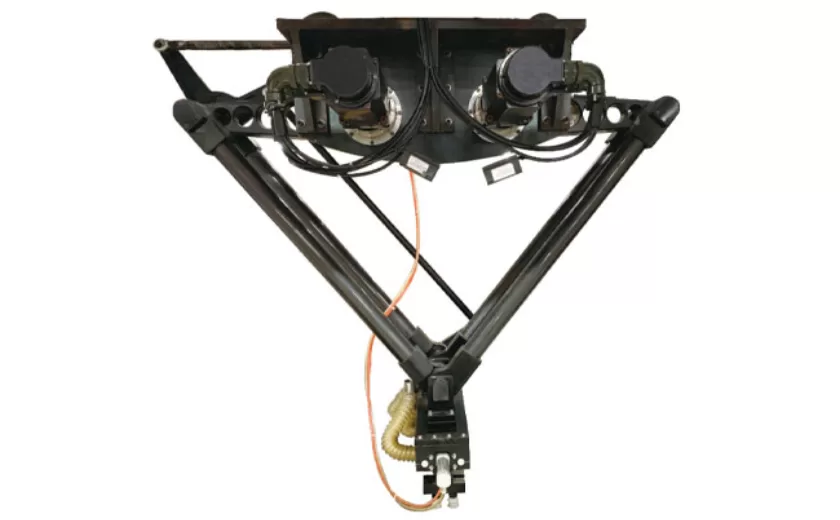
Efficient and Reliable Solutions for Salt, Nuts, and Frozen Dumplings Packing
29-10-2025 -
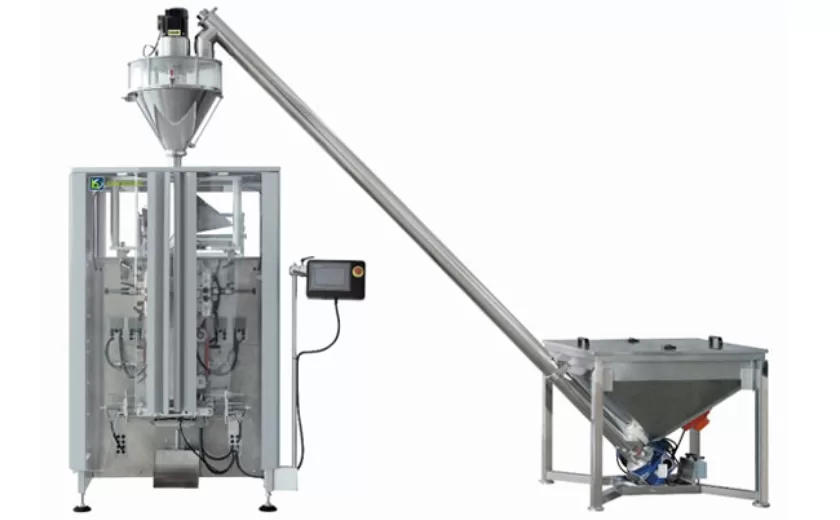
High-Performance Biscuits, Lollipop, and Ketchup Packing Machines for Modern Food Production
29-10-2025 -
Efficient Liquid Filling and Packing Machines for Modern Production
23-10-2025 -
Reliable Granule Packaging Machines for Efficient Production
23-10-2025
