
Understanding Compliance Regulations for Milk Pouch Packaging
Understanding Compliance Regulations for Milk Pouch Packaging: A Sentinel for Consumer Safety
In the realm of food packaging, where the well-being of consumers hangs in the delicate balance, compliance regulations for milk pouch packaging stand as vigilant sentinels. These regulations navigate the intricate terrain of food safety, ensuring that milk, nature’s life-giving sustenance, reaches our tables untainted and uncompromised.
Milk pouch packaging, with its unique flexibility and portability, poses specific challenges that must be addressed to preserve the integrity of its precious contents. Regulatory bodies worldwide have meticulously established guidelines to govern every aspect of the production process, from material selection to storage and transportation.
Decoding the Regulatory Labyrinth
Compliance with these regulations requires a thorough understanding of their intricate provisions. While specific requirements may vary across jurisdictions, common principles include:
Material Purity: Pouch materials must be inert and free of substances that may leach into the milk, ensuring its pristine quality.
Barrier Properties: Packaging must provide an effective barrier against light, oxygen, and microorganisms to preserve the milk’s nutritional value and prevent spoilage.
Hygiene and Sanitation: Stringent sanitation standards govern the production environment, equipment, and personnel to prevent contamination during manufacturing and handling.
Labelling and Traceability: Clear and accurate labelling facilitates traceability, enabling the swift identification and recall of any potentially compromised products.
Consequences of Non-Compliance
Deviation from these regulations carries grave consequences. Milk pouch packaging that fails to meet compliance standards poses significant health risks to consumers, including:
Foodborne illnesses caused by microbial contamination
Exposure to harmful chemicals from non-approved materials
Degradation of milk’s nutritional value due to inadequate barrier properties
Moreover, non-compliant packaging undermines consumer trust and tarnishes the reputation of food producers. Legal ramifications and financial penalties can further amplify the consequences.
Embracing Compliance: A Path to Trust
Manufacturers and suppliers who embrace compliance regulations not only safeguard consumer health but also create a foundation for long-term success. By adhering to the highest standards, they demonstrate their commitment to quality, transparency, and accountability.
Understanding and complying with regulations for milk pouch packaging is not merely a legal obligation but a moral imperative. It is a testament to the food industry’s unwavering commitment to protecting the well-being of consumers and ensuring the integrity of our precious food supply.


-
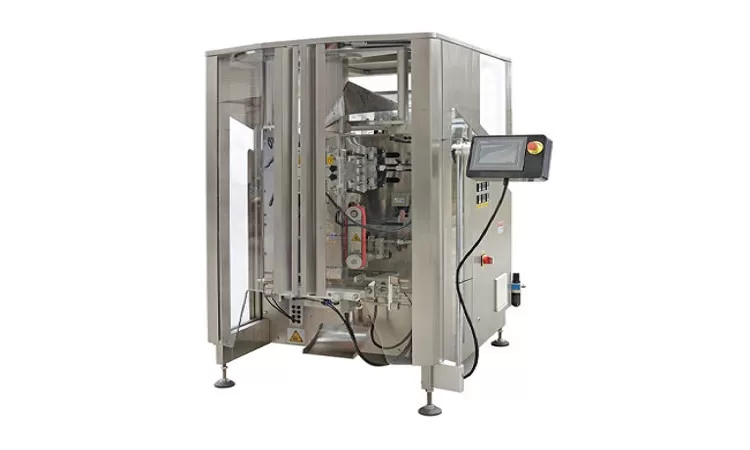
VFFS Equipment: The Ultimate Guide to Vertical Form Fill Seal Technology
13-03-2026 -
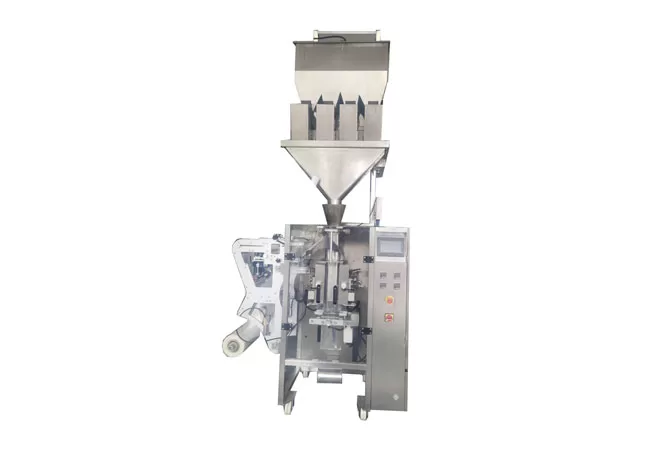
The Essential Guide to Weight Packing Machines for Precision Weighing
12-03-2026 -
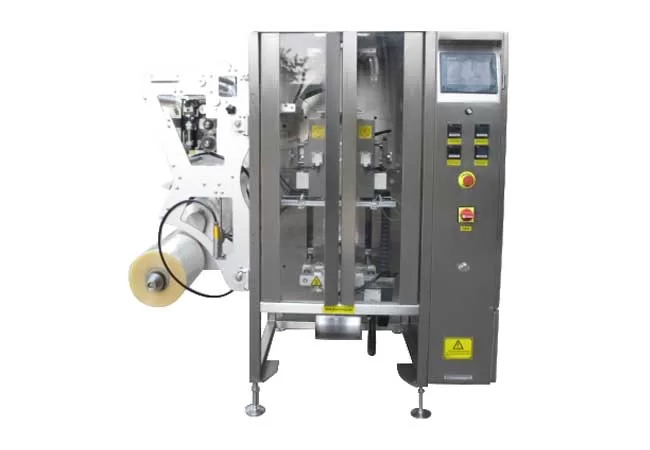
Power Packing Machine: The Ultimate Guide to Heavy-Duty Packaging Efficiency
11-03-2026 -

Weigher Packing Machine: The Definitive Guide to Precision Weighing & Packaging
10-03-2026 -
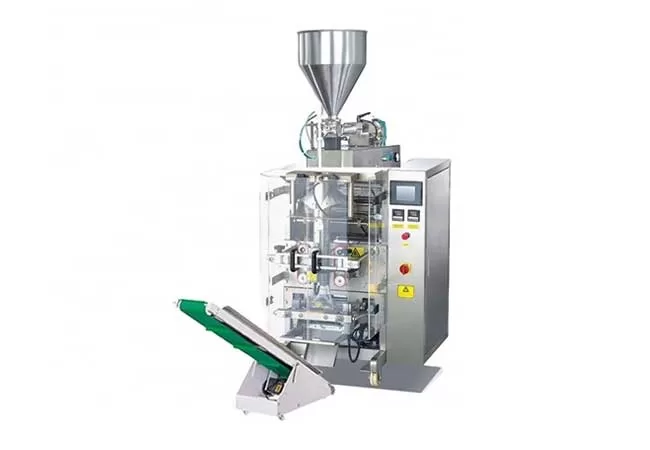
Auger Type Powder Filling Machine: The Ultimate Guide to Precision Packaging
09-03-2026 -
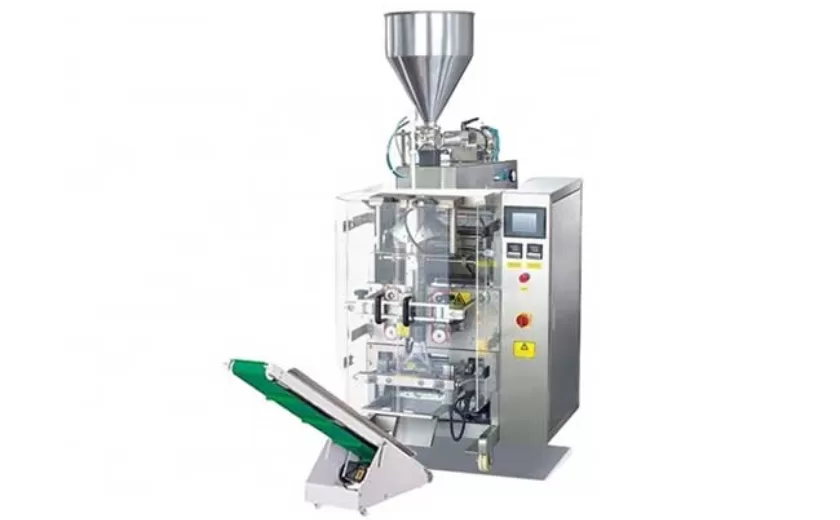
Advanced Packing Solutions: Snacks, Sugar, and Frozen Food Machines
29-10-2025 -
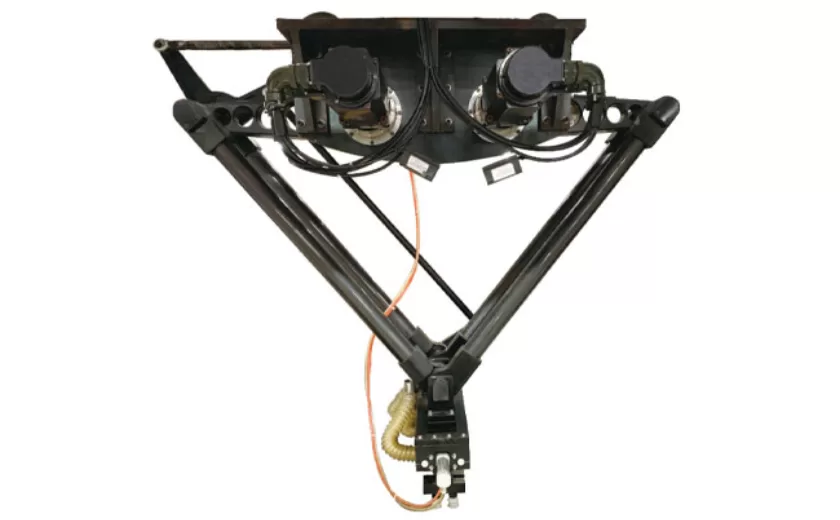
Efficient and Reliable Solutions for Salt, Nuts, and Frozen Dumplings Packing
29-10-2025 -
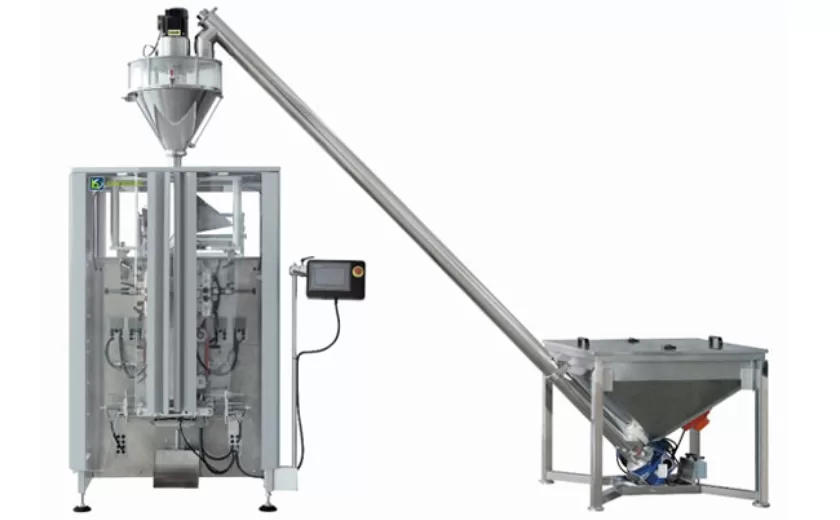
High-Performance Biscuits, Lollipop, and Ketchup Packing Machines for Modern Food Production
29-10-2025 -
Efficient Liquid Filling and Packing Machines for Modern Production
23-10-2025 -
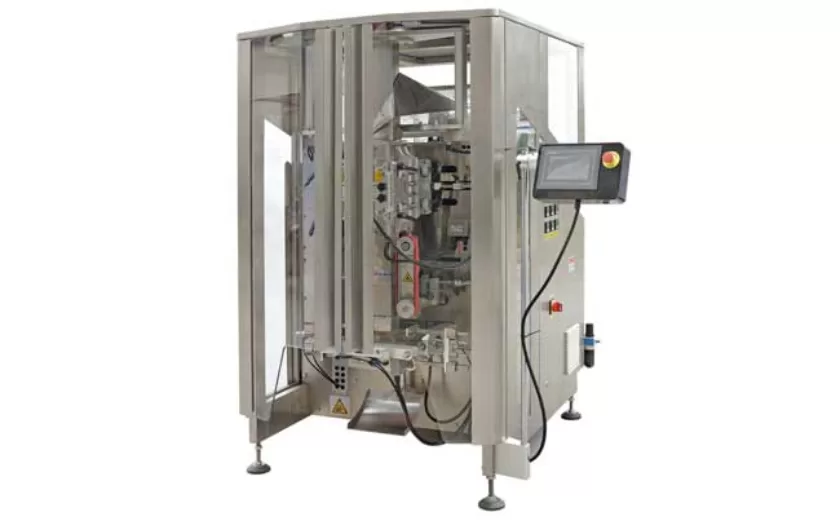
Reliable Granule Packaging Machines for Efficient Production
23-10-2025
