
Tips for Maximizing Efficiency During Setup and Changeovers with a 10-Head Multihead Weigher
In the fast-paced world of industrial packaging, optimizing efficiency is paramount. With the advent of advanced weighing technologies like 10-head multihead weighers, achieving maximum efficiency during setup and changeovers is crucial for maintaining productivity and minimizing downtime. Here are some tips to help you streamline these processes and maximize your weigher’s performance:
Pre-Planning and Preparation
Thorough preparation before setup and changeovers is essential. Familiarize yourself with the new product’s characteristics, including its size, shape, and density. Determine the ideal weigh parameters, such as target weight, tolerance, and feed rate. Gather all necessary materials, including product hoppers, feed trays, and weigh cells.
Automated Calibration
Calibration plays a vital role in ensuring weighing accuracy. Utilize the weigher’s automated calibration feature to minimize manual intervention and save time. Follow the manufacturer’s instructions carefully and perform calibration with a certified reference weight. Regular calibration ensures optimal performance and prevents product overfill or underfill.
Efficient Product Handling
Optimizing product flow is crucial for efficient setup and changeovers. Ensure that the product hoppers are filled adequately and the feed trays are aligned correctly. Adjust feed rates to match the weigher’s capacity to minimize product waste and spillage. Utilize vibration or agitation mechanisms to facilitate product movement and prevent bridging.
Quick Release and Interchangeable Components
10-head multihead weighers often incorporate quick-release mechanisms for easy component removal and replacement. This feature allows for expedited changeovers between different products. Utilize interchangeable discharge chutes or funnels to accommodate various packaging formats. These quick-release and interchangeable components save valuable time during changeovers.
Standardized Operating Procedures (SOPs)
Establishing clear and concise SOPs for setup and changeovers is essential for maintaining efficiency. Document all steps, including calibration, product handling, and component replacement. Provide detailed instructions to operators to ensure consistency and minimize errors. Visual cues, such as checklists or quick reference guides, can further enhance process fluidity.
Continuous Improvement
Regularly review and analyze setup and changeover procedures to identify areas for improvement. Conduct time studies and observe operators to identify potential bottlenecks. Implement lean manufacturing principles, such as 5S and Kaizen, to optimize workflow and eliminate waste. By continuously seeking ways to refine processes, you can maximize efficiency and increase productivity.


-
VFFS Equipment: The Ultimate Guide to Vertical Form Fill Seal Technology
13-03-2026 -
The Essential Guide to Weight Packing Machines for Precision Weighing
12-03-2026 -
Power Packing Machine: The Ultimate Guide to Heavy-Duty Packaging Efficiency
11-03-2026 -
Weigher Packing Machine: The Definitive Guide to Precision Weighing & Packaging
10-03-2026 -
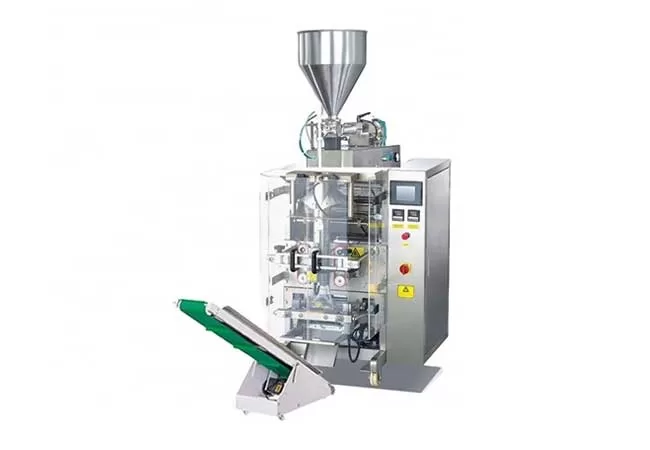
Auger Type Powder Filling Machine: The Ultimate Guide to Precision Packaging
09-03-2026 -
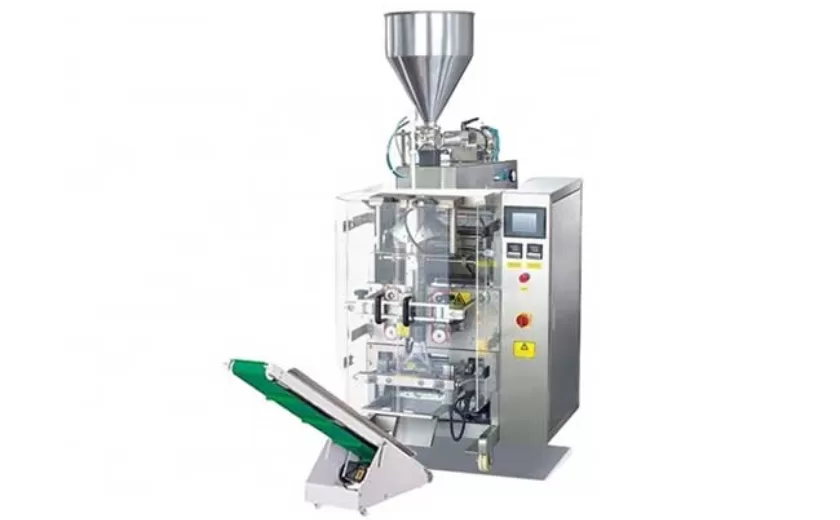
Advanced Packing Solutions: Snacks, Sugar, and Frozen Food Machines
29-10-2025 -
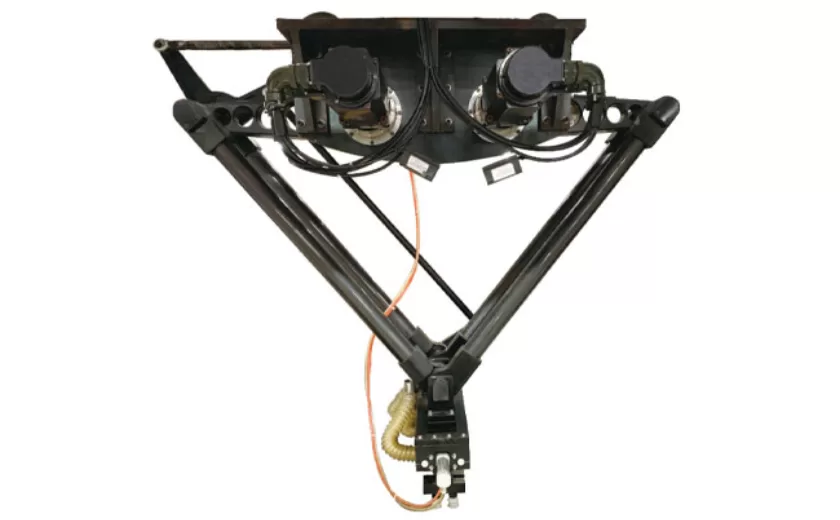
Efficient and Reliable Solutions for Salt, Nuts, and Frozen Dumplings Packing
29-10-2025 -
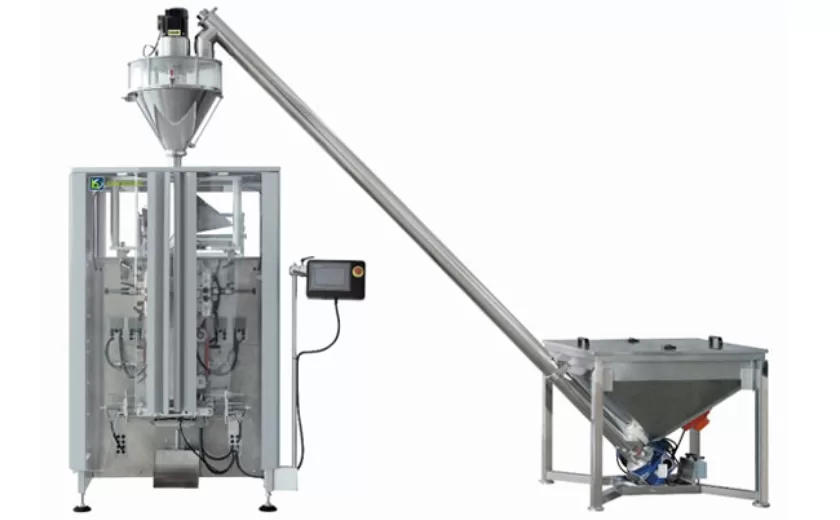
High-Performance Biscuits, Lollipop, and Ketchup Packing Machines for Modern Food Production
29-10-2025 -
Efficient Liquid Filling and Packing Machines for Modern Production
23-10-2025 -
Reliable Granule Packaging Machines for Efficient Production
23-10-2025
