
The Science Behind Vertical Bagger Packaging
Vertical bagger packaging is a highly efficient and versatile packaging method used in a wide range of industries. The science behind this technology is complex and involves multiple factors that work together to produce high-quality, sealed packages. In this article, we will explore the key principles and mechanisms that underlie vertical bagger packaging.
Film Selection and Material Properties
The choice of packaging film plays a crucial role in the performance of vertical bagger packaging. Different films possess varying properties, such as thickness, transparency, and sealing strength, which affect the overall quality and functionality of the package. The thickness of the film determines its durability and resistance to punctures and tears. Transparency is important for displaying the product within the package, while sealing strength ensures that the bag remains securely closed during transport and handling.
Bag Forming Process
The bag forming process in vertical bagger packaging involves several stages. Firstly, the film is unwound from a roll and guided through a forming tube. As the film progresses through the tube, it is shaped into a vertical cylinder. The edges of the film are then brought together and sealed, creating the sides of the bag. To form the bottom of the bag, the film is cut and folded, and a heat or glue seal is applied to secure it.
Product Feeding
The product feeding mechanism in vertical bagger packaging is designed to ensure accurate and consistent filling of the bags. The product can be fed into the bagger manually or automatically, depending on the specific application. For manual feeding, the operator places the product into a hopper or chute, which then dispenses a predetermined quantity into the bag. In automated systems, a conveyor belt or other mechanical device transports the product to the bagger.
Sealing and Finishing
Once the product is filled into the bag, it is sealed to prevent contamination and ensure product freshness. Vertical bagger packaging typically uses heat sealing or glue sealing to close the bag. In heat sealing, a heated element is brought into contact with the film, melting the surface and bonding it together. Glue sealing involves applying a thin layer of adhesive to the film and pressing the edges together to form a bond.
Bag Discharge and Packaging
After sealing, the filled bags are discharged from the vertical bagger and packaged for distribution. Packaging options include cartons, cases, or pallets. The bags can be stacked or palletized in a specific configuration to optimize space and facilitate handling. Additional steps, such as labeling or coding, can be integrated into the packaging process to provide product identification and traceability.
Advanced Features and Automation
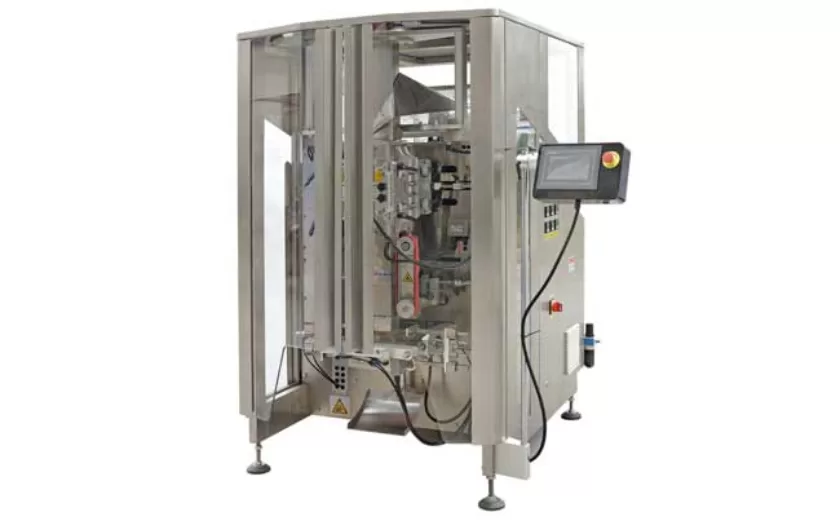
Modern vertical bagger packaging machines incorporate advanced features and automation to improve efficiency and versatility. These features may include touchscreens for user-friendly operation, programmable logic controllers (PLCs) for process automation, and sensors for monitoring and controlling various parameters. Some baggers also have the capability to handle multiple film types, incorporate zipper or resealable closures, and print graphics or product information directly onto the packaging.


-
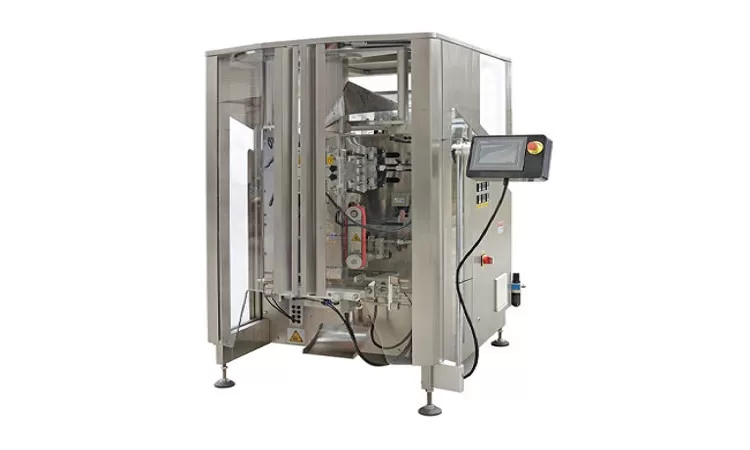
VFFS Equipment: The Ultimate Guide to Vertical Form Fill Seal Technology
13-03-2026 -
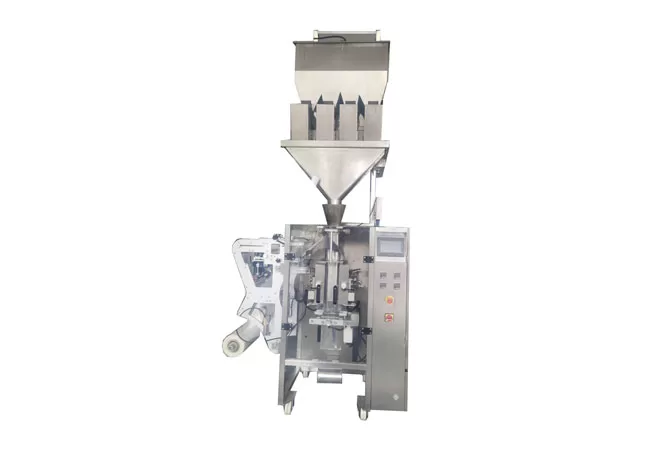
The Essential Guide to Weight Packing Machines for Precision Weighing
12-03-2026 -
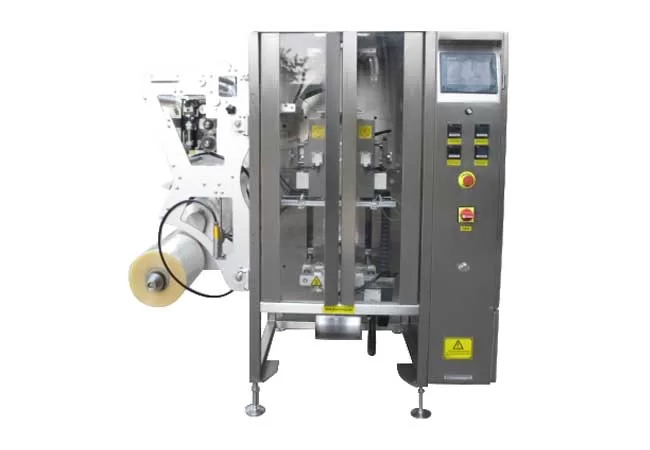
Power Packing Machine: The Ultimate Guide to Heavy-Duty Packaging Efficiency
11-03-2026 -
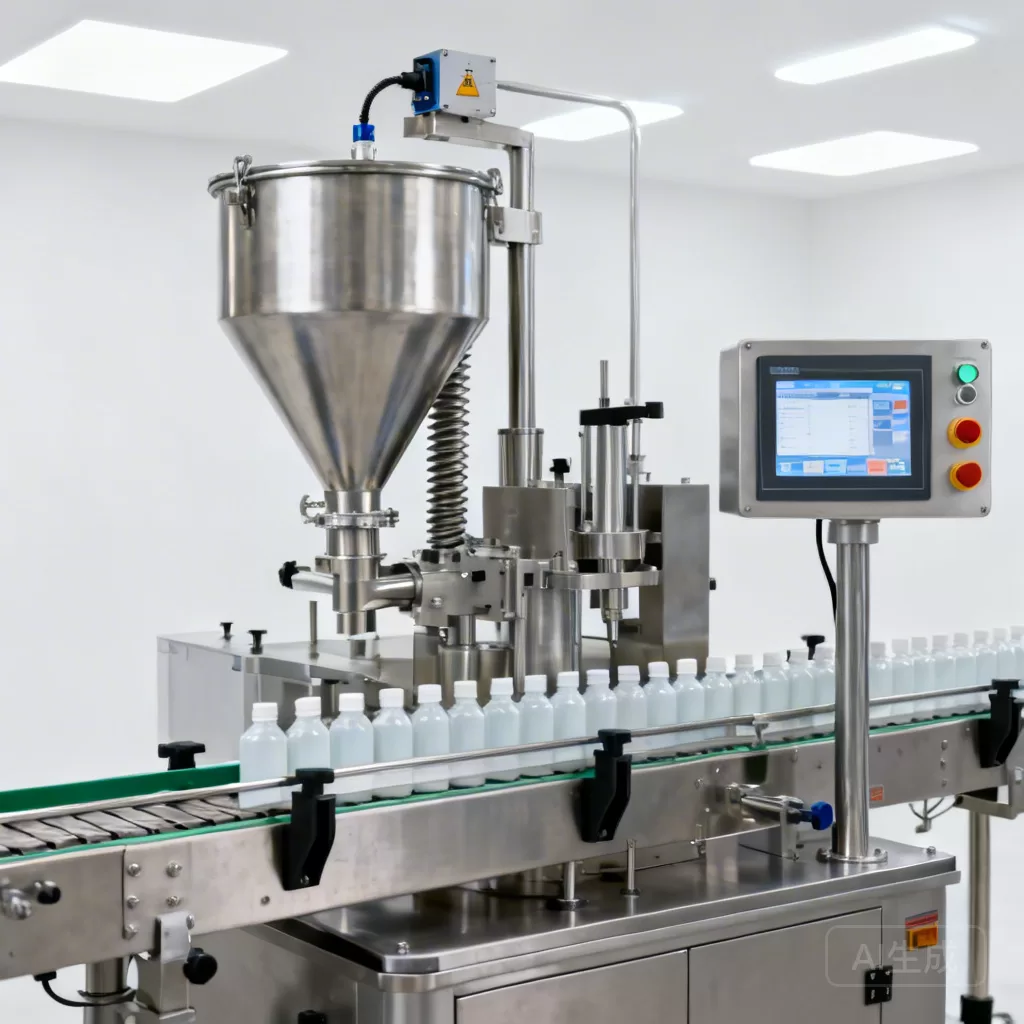
Weigher Packing Machine: The Definitive Guide to Precision Weighing & Packaging
10-03-2026 -
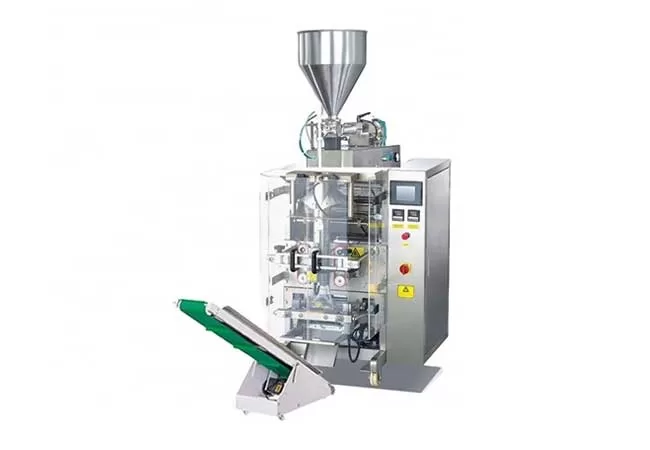
Auger Type Powder Filling Machine: The Ultimate Guide to Precision Packaging
09-03-2026 -
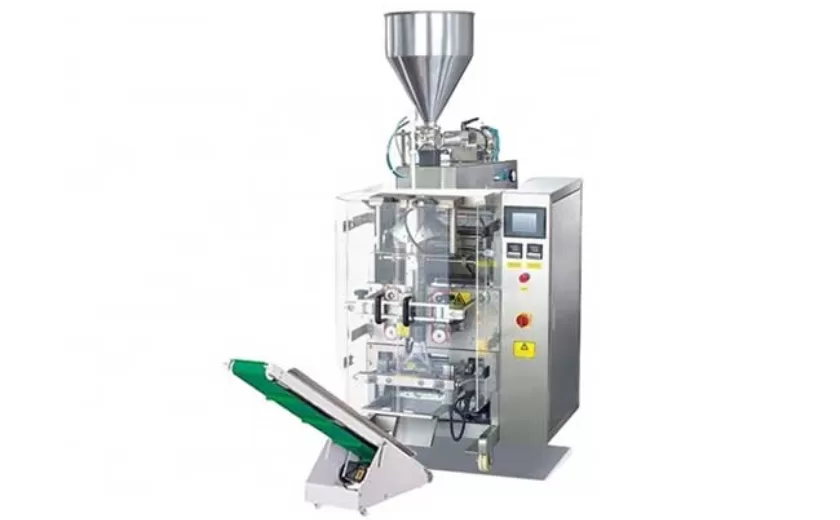
Advanced Packing Solutions: Snacks, Sugar, and Frozen Food Machines
29-10-2025 -
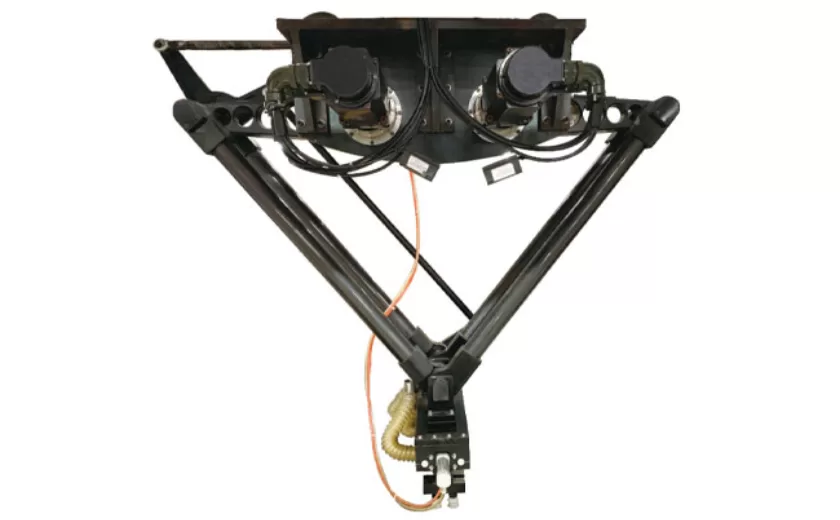
Efficient and Reliable Solutions for Salt, Nuts, and Frozen Dumplings Packing
29-10-2025 -
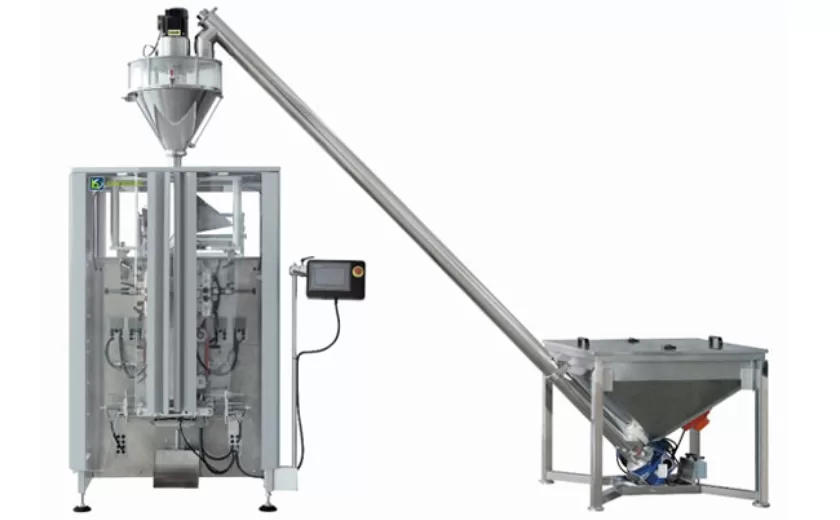
High-Performance Biscuits, Lollipop, and Ketchup Packing Machines for Modern Food Production
29-10-2025 -
Efficient Liquid Filling and Packing Machines for Modern Production
23-10-2025 -
Reliable Granule Packaging Machines for Efficient Production
23-10-2025
