
The Science Behind Spice Pouch Packaging
In the realm of food packaging, spice pouches play a crucial role in preserving the freshness, flavor, and aroma of precious spices. However, designing these pouches requires a deep understanding of the science behind their functionality. This article explores the multifaceted scientific principles that underpin the design and performance of spice pouch packaging.
Barrier Properties
Spices are highly susceptible to moisture, oxygen, and light exposure, which can degrade their flavor and aroma. Spice pouch packaging relies on a combination of barrier materials to protect against these detrimental factors.
– Moisture Barrier: Moisture can cause spices to clump, lose flavor, and become susceptible to mold growth. Moisture-resistant materials, such as polyethylene terephthalate (PET) and aluminum foil, create a tight seal that prevents moisture from entering the pouch.
– Oxygen Barrier: Oxygen can oxidize spices, leading to discoloration and rancidity. Oxygen scavengers, such as iron oxide, are often incorporated into the packaging material to absorb and neutralize oxygen.
– Light Barrier: Light exposure can damage sensitive compounds in spices. Opaque and UV-resistant materials, such as metalized films and tinted plastics, block out harmful light rays.
Controlled Release
Spices release their flavor and aroma over time. To achieve optimal sensory experience, spice pouch packaging often employs controlled release mechanisms.
– Perforations: Tiny holes or perforations in the packaging allow a controlled amount of air to enter the pouch, enabling the release of volatile compounds that provide flavor and aroma.
– Aroma Valve: One-way valves permit the release of gases produced by spices without allowing external air to enter. This prevents over-pressurization and ensures a consistent release of flavor throughout the product’s shelf life.
Physical Properties
The physical properties of spice pouch packaging influence its handling, storage, and overall functionality.
– Strength and Durability: Spices are often transported and stored in less-than-ideal conditions. Strong and durable materials, such as nylon and Tyvek, provide protection against punctures and tears.
– Flexibility: Flexible packaging allows for easy handling and storage. Materials such as polyethylene and polypropylene provide flexibility while maintaining a secure seal.
– Printability: High-quality printing is essential for branding, product information, and safety labels. Substrates that accept inks and adhesives well, such as PET and coated paper, enhance the packaging’s visual appeal and functionality.
Environmental Considerations
Sustainability is a growing concern in packaging design. Spice pouch packaging can be eco-friendly by using:
– Recyclable Materials: Materials such as PET and aluminum can be recycled, reducing environmental waste.
– Compostable Materials: Plant-based plastics, such as PLA, break down naturally in compost environments.
– Biodegradable Additives: Additives, such as starch-based polymers, accelerate the biodegradation process of the packaging.
The science behind spice pouch packaging is a complex and multifaceted field that draws on principles from materials science, chemistry, and engineering. By understanding and utilizing these scientific principles, manufacturers can design packaging solutions that not only protect and preserve spices but also enhance their sensory experience and minimize environmental impact.


-
VFFS Equipment: The Ultimate Guide to Vertical Form Fill Seal Technology
13-03-2026 -
The Essential Guide to Weight Packing Machines for Precision Weighing
12-03-2026 -
Power Packing Machine: The Ultimate Guide to Heavy-Duty Packaging Efficiency
11-03-2026 -
Weigher Packing Machine: The Definitive Guide to Precision Weighing & Packaging
10-03-2026 -
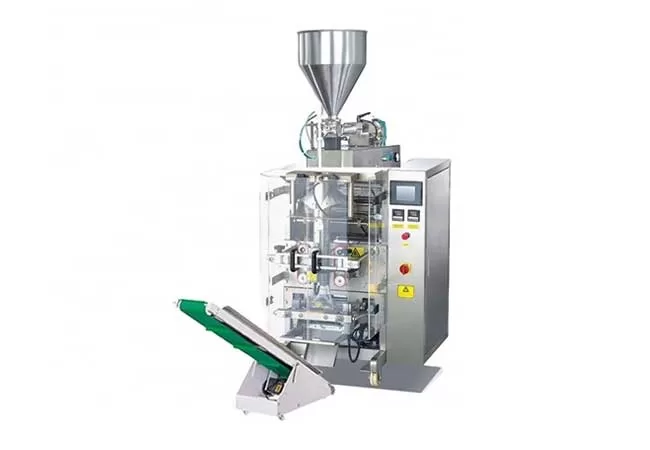
Auger Type Powder Filling Machine: The Ultimate Guide to Precision Packaging
09-03-2026 -
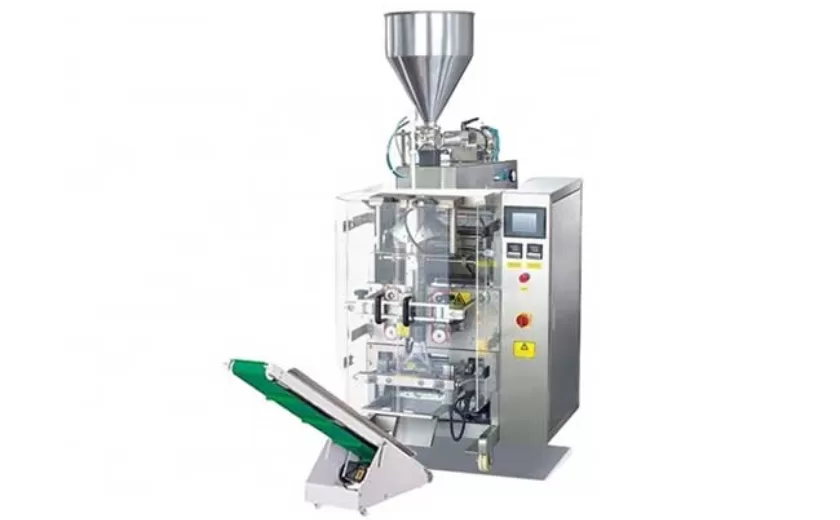
Advanced Packing Solutions: Snacks, Sugar, and Frozen Food Machines
29-10-2025 -
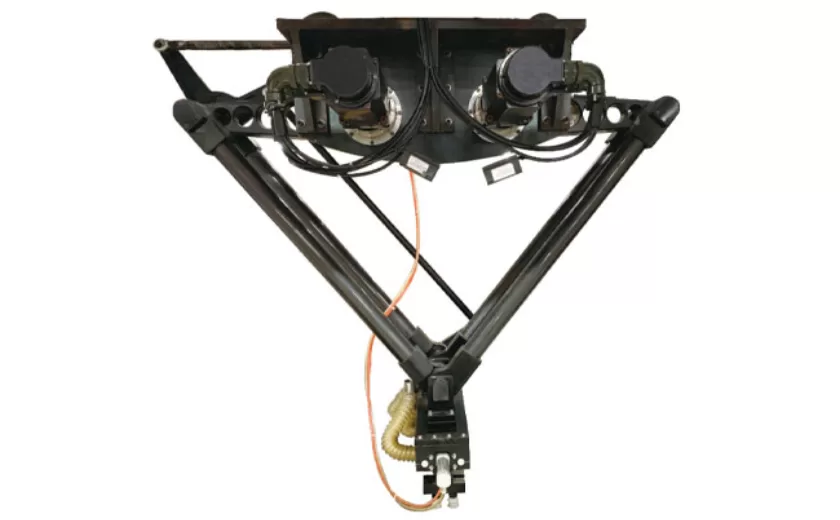
Efficient and Reliable Solutions for Salt, Nuts, and Frozen Dumplings Packing
29-10-2025 -
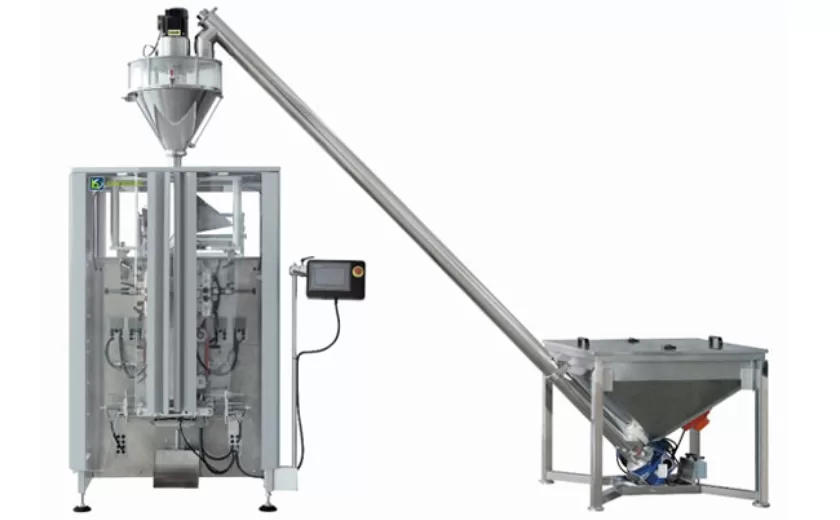
High-Performance Biscuits, Lollipop, and Ketchup Packing Machines for Modern Food Production
29-10-2025 -
Efficient Liquid Filling and Packing Machines for Modern Production
23-10-2025 -
Reliable Granule Packaging Machines for Efficient Production
23-10-2025
