
The Role of Packaging in Extending Shelf Life for Tomato Paste
Tomato paste, a concentrated paste made from cooked tomatoes, is a versatile ingredient used in various cuisines worldwide. However, due to its high moisture content and susceptibility to spoilage, maintaining its shelf life is crucial. Packaging plays a pivotal role in extending the shelf life of tomato paste by protecting it from environmental factors that can accelerate degradation.
Oxygen Barrier Properties
Oxygen exposure is a major cause of tomato paste spoilage. Packaging materials with excellent oxygen barrier properties, such as aluminum foil or metallized films, create an airtight seal that prevents oxygen from penetrating the paste. This inhibits oxidative reactions that can lead to discoloration, flavor deterioration, and nutrient loss.
Moisture Control
Moisture migration can compromise the stability of tomato paste. Packaging materials with low moisture vapor transmission rates, such as laminated pouches or coated papers, effectively prevent moisture loss or gain. Maintaining an optimal moisture level within the package ensures the texture, flavor, and nutritional value of the paste.
Light Protection
Exposure to light can cause degradation of pigments, vitamins, and other sensitive compounds in tomato paste. Packaging materials with opaque or UV-resistant properties shield the paste from harmful light wavelengths. This prevents color fading and preserves the quality of the product.
Temperature Control
Temperature fluctuations can accelerate microbial growth and spoilage. Packaging materials with insulating properties, such as insulated boxes or refrigerated containers, help maintain a consistent temperature within the product. This minimizes the risk of temperature-induced spoilage and ensures the safety and quality of the tomato paste.
Antimicrobial Properties
Certain packaging materials can incorporate antimicrobial agents that inhibit the growth of spoilage-causing microorganisms. These agents, such as silver ions or antimicrobial coatings, create an inhospitable environment for bacteria, mold, and yeasts. This further extends the shelf life of the tomato paste by preventing microbial contamination.
Packaging plays a vital role in extending the shelf life of tomato paste by providing protection against oxygen, moisture, light, temperature, and microbial growth. By optimizing these packaging parameters, manufacturers can ensure the quality, safety, and nutritional value of tomato paste, allowing it to retain its fresh characteristics and extend its usability over a longer period.


-
VFFS Equipment: The Ultimate Guide to Vertical Form Fill Seal Technology
13-03-2026 -
The Essential Guide to Weight Packing Machines for Precision Weighing
12-03-2026 -
Power Packing Machine: The Ultimate Guide to Heavy-Duty Packaging Efficiency
11-03-2026 -
Weigher Packing Machine: The Definitive Guide to Precision Weighing & Packaging
10-03-2026 -
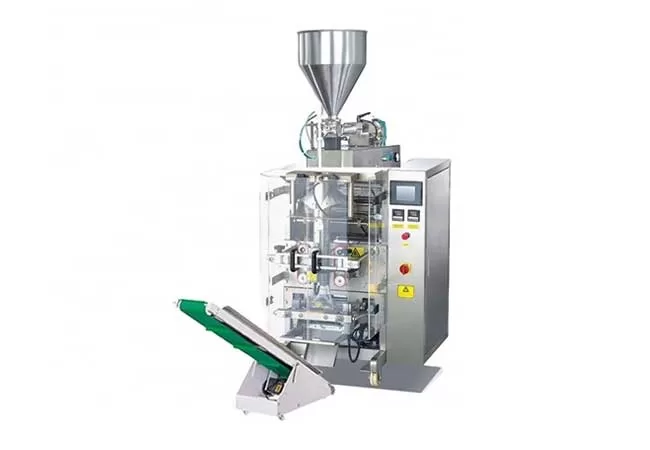
Auger Type Powder Filling Machine: The Ultimate Guide to Precision Packaging
09-03-2026 -
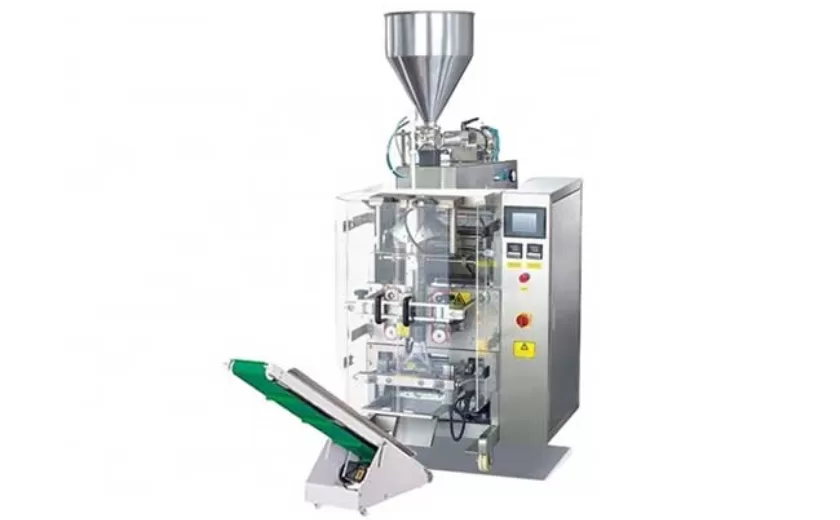
Advanced Packing Solutions: Snacks, Sugar, and Frozen Food Machines
29-10-2025 -

Efficient and Reliable Solutions for Salt, Nuts, and Frozen Dumplings Packing
29-10-2025 -
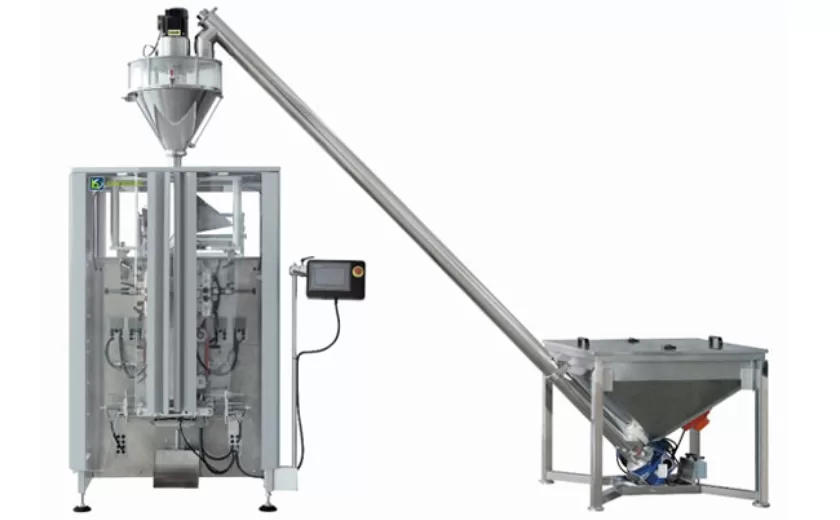
High-Performance Biscuits, Lollipop, and Ketchup Packing Machines for Modern Food Production
29-10-2025 -
Efficient Liquid Filling and Packing Machines for Modern Production
23-10-2025 -
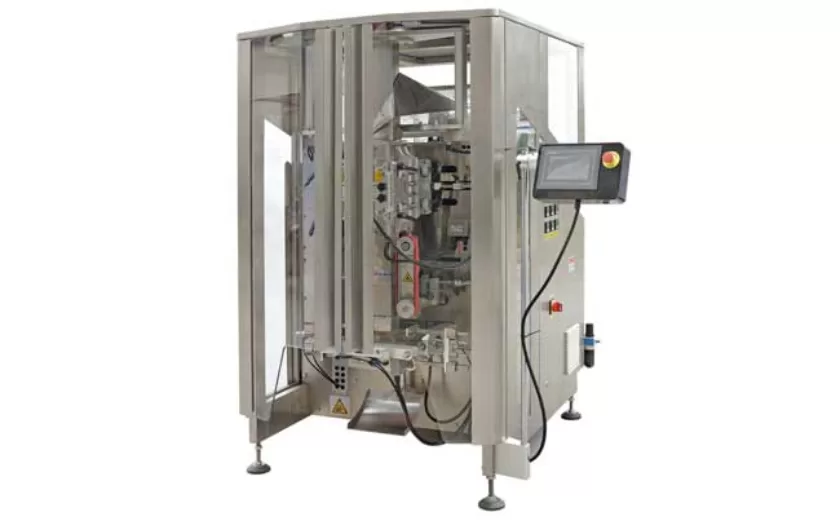
Reliable Granule Packaging Machines for Efficient Production
23-10-2025
