
The Importance of Quality Control in Vertical Wrapping Processes
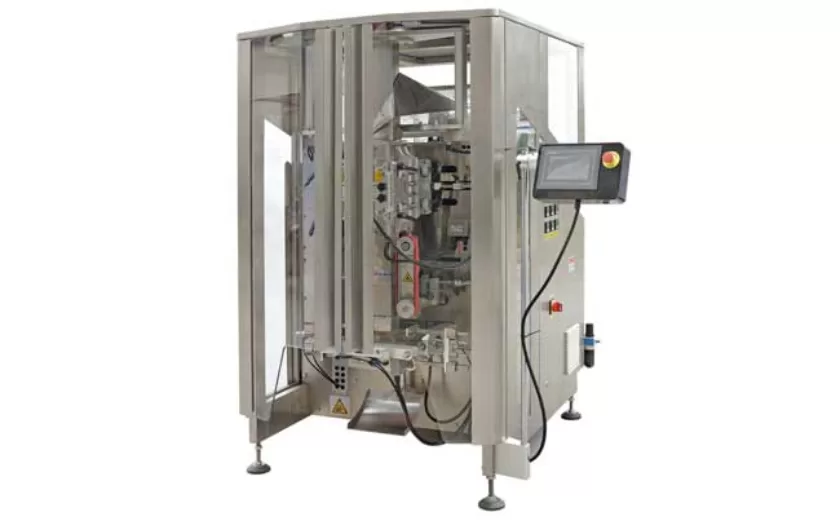
Vertical wrapping, also known as vertical form fill seal (VFFS), is a widely used packaging technique that involves forming a vertical bag around a product, filling it with the product, and sealing it. This process is commonly employed for packaging food, beverages, pharmaceuticals, and other products. Ensuring the quality of vertical wrapping processes is crucial for the safety, integrity, and shelf life of the packaged products.
Accuracy and Consistency:
Accurate and consistent packaging is essential to meet product specifications and customer requirements. Quality control in vertical wrapping helps ensure the following:
– Consistent bag size and shape, preventing product damage during transport.
– Precise filling, minimizing product waste and ensuring the correct product quantity in each package.
– Effective sealing, preventing leaks and preserving product freshness and quality.
Product Safety and Integrity:
Packaging plays a vital role in protecting products from contamination and external factors that could compromise their safety and integrity. Quality control in vertical wrapping ensures:
– Proper material selection and sealing methods to prevent oxygen and moisture ingress, extending product shelf life.
– Integrity of packaging, ensuring no tears or punctures that could allow contamination.
– Compliance with regulatory requirements for product safety and packaging standards.
Customer Satisfaction and Brand Image:
High-quality packaging contributes to customer satisfaction and brand image. Quality control in vertical wrapping allows for:
– Presentation and aesthetics that appeal to customers, enhancing brand perception.
– Easy-to-open packaging, providing a positive user experience.
– Protection against damage during distribution, ensuring products are delivered in excellent condition.
Efficiency and Productivity:
Quality control in vertical wrapping enhances the efficiency and productivity of packaging lines. By minimizing defects and rework, it reduces machine downtime and increases overall throughput. Consistent and reliable packaging reduces the need for manual intervention and improves labor productivity.
Waste Reduction and Environmental Sustainability:
Proper quality control practices can help reduce waste and promote environmental sustainability. By ensuring accurate filling, minimizing product spillage, and reducing the use of defective packaging materials, companies can save costs and conserve resources.
Quality control in vertical wrapping processes is paramount for ensuring product safety and integrity, customer satisfaction, efficiency, waste reduction, and environmental sustainability. By implementing rigorous quality control measures, manufacturers can produce high-quality packaged products that meet customer expectations, comply with regulations, and positively contribute to brand image and overall business success.


-
VFFS Equipment: The Ultimate Guide to Vertical Form Fill Seal Technology
13-03-2026 -
The Essential Guide to Weight Packing Machines for Precision Weighing
12-03-2026 -
Power Packing Machine: The Ultimate Guide to Heavy-Duty Packaging Efficiency
11-03-2026 -
Weigher Packing Machine: The Definitive Guide to Precision Weighing & Packaging
10-03-2026 -
Auger Type Powder Filling Machine: The Ultimate Guide to Precision Packaging
09-03-2026 -
Advanced Packing Solutions: Snacks, Sugar, and Frozen Food Machines
29-10-2025 -
Efficient and Reliable Solutions for Salt, Nuts, and Frozen Dumplings Packing
29-10-2025 -
High-Performance Biscuits, Lollipop, and Ketchup Packing Machines for Modern Food Production
29-10-2025 -
Efficient Liquid Filling and Packing Machines for Modern Production
23-10-2025 -
Reliable Granule Packaging Machines for Efficient Production
23-10-2025
