
The Importance of Hygiene in Liquid Packaging Operations
The liquid packaging industry plays a crucial role in ensuring the safety and quality of food and beverages. Maintaining hygiene standards throughout the packaging process is paramount to prevent contamination and safeguard consumer health. Here are some key aspects emphasizing the importance of hygiene in liquid packaging operations:
Microbial Contamination Control
Liquid packaging systems provide an ideal environment for microbial growth due to the presence of moisture and nutrients. Strict hygiene practices are essential to control contamination by bacteria, viruses, and molds. Thorough cleaning and sanitization of equipment, surfaces, and packaging materials prevent the introduction and proliferation of microorganisms that can compromise product safety. Regular monitoring and testing ensure that hygiene standards are consistently met.
Chemical Safety
Liquid packaging materials come into direct contact with the product, and improper handling can lead to chemical contamination. Hygiene protocols focus on the safe use, storage, and disposal of chemicals used in cleaning, sanitization, and packaging processes. By adhering to industry regulations and best practices, manufacturers can minimize the risk of chemical residues entering the product and posing a health hazard.
Physical Contamination Prevention
Foreign objects, such as metal fragments, glass shards, or packaging debris, can contaminate liquid products during the packaging process. Stringent hygiene measures include regular equipment inspections and maintenance to prevent physical contamination. Proper storage and handling practices minimize the risk of foreign objects entering the packaging line. Additionally, metal detectors and other quality control measures are employed to detect and remove any physical contaminants before the product is released for distribution.
Allergen Control
Liquid packaging operations must be vigilant in controlling allergens that can trigger allergic reactions in consumers. Thorough cleaning and sanitation of equipment and packaging lines prevent the cross-contamination of products containing different allergens. Manufacturers implement specific measures to segregate and handle allergens effectively. By adhering to strict hygiene protocols, they can ensure the safety of individuals with food allergies.
Regulatory Compliance
Maintaining high hygiene standards is crucial for compliance with regulatory requirements in the liquid packaging industry. Local, national, and international regulations set specific hygiene parameters for food and beverage production. By adhering to these regulations, manufacturers demonstrate their commitment to consumer safety and quality standards. Regular audits and inspections ensure that hygiene practices are consistently implemented and meet regulatory expectations.
Hygiene in liquid packaging operations is a paramount concern that ensures the safety and integrity of food and beverages. By implementing rigorous hygiene protocols, manufacturers can prevent contamination, safeguard consumer health, comply with regulations, and maintain the reputation of their products. Continuous monitoring, training, and adherence to best practices are essential to maintain the highest standards of hygiene throughout the liquid packaging process.


-
VFFS Equipment: The Ultimate Guide to Vertical Form Fill Seal Technology
13-03-2026 -
The Essential Guide to Weight Packing Machines for Precision Weighing
12-03-2026 -
Power Packing Machine: The Ultimate Guide to Heavy-Duty Packaging Efficiency
11-03-2026 -
Weigher Packing Machine: The Definitive Guide to Precision Weighing & Packaging
10-03-2026 -
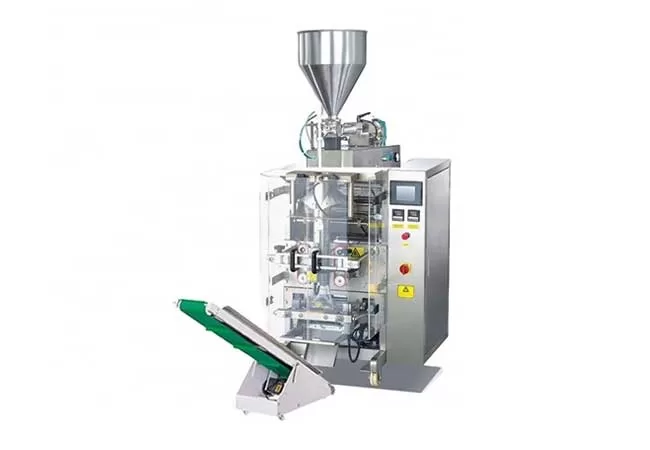
Auger Type Powder Filling Machine: The Ultimate Guide to Precision Packaging
09-03-2026 -
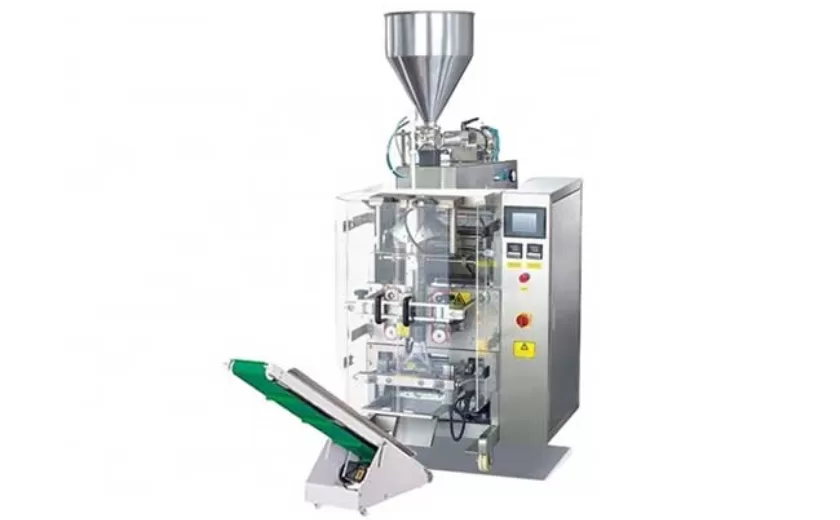
Advanced Packing Solutions: Snacks, Sugar, and Frozen Food Machines
29-10-2025 -
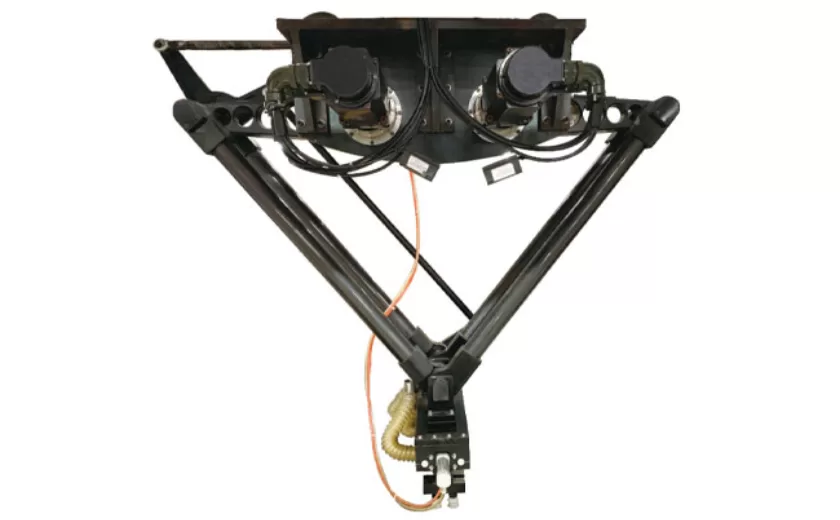
Efficient and Reliable Solutions for Salt, Nuts, and Frozen Dumplings Packing
29-10-2025 -
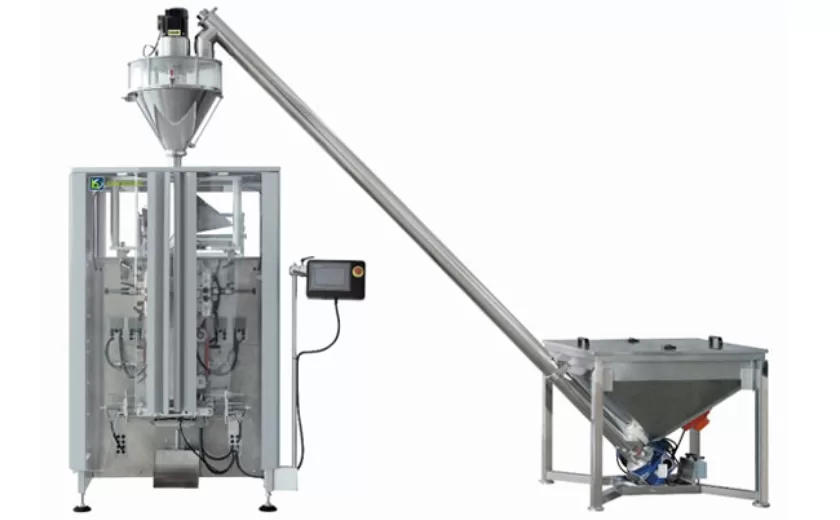
High-Performance Biscuits, Lollipop, and Ketchup Packing Machines for Modern Food Production
29-10-2025 -
Efficient Liquid Filling and Packing Machines for Modern Production
23-10-2025 -
Reliable Granule Packaging Machines for Efficient Production
23-10-2025
