
The Importance of Accurate Measurement in Automatic Auger Filling
In the relentless march of industrial automation, precision is paramount. Among the many tasks that machines perform with unwavering accuracy, auger filling stands out as a critical process that demands exceptional measurement capabilities.
Auger filling, employed in countless industries ranging from pharmaceuticals to food processing, involves the precise dispensing of powders, granules, or other particulate materials into containers. The accuracy of this process is of utmost importance, as even slight deviations can have significant consequences.
Consider the implications in the pharmaceutical industry, where even minor inconsistencies in dosage can impact patient health or the efficacy of medications. In the food industry, inaccurate filling can lead to underweight products, compromising consumer trust and risking regulatory penalties.
The key to achieving precise auger filling lies in the accurate measurement of the material being dispensed. Auger fillers rely on sensors to determine the volume or mass of material that has been filled into each container. These sensors must be highly sensitive and reliable to ensure that the amount dispensed meets the desired specifications.
Apart from the obvious consequences of incorrect filling, inaccurate measurement can also result in wasted material, increased production costs, and diminished productivity. Overfilling can lead to excess waste, while underfilling can result in incomplete or unusable products.
To ensure the accuracy of automatic auger filling systems, several factors must be considered:
Sensor type and calibration: Choosing the appropriate sensors and calibrating them regularly is crucial for reliable measurement.
Material properties: Understanding the flowability, density, and other characteristics of the material being filled is essential for accurate dispensing.
Container shape and size: The dimensions and shape of the containers can impact the filling process and require adjustments to the auger system.
Environmental conditions: Temperature and humidity can affect the behavior of the material and sensors and must be accounted for.
By carefully addressing these factors and implementing automated systems equipped with accurate measurement capabilities, manufacturers can ensure the precision and efficiency of their auger filling processes. This leads to increased product quality, reduced waste, improved productivity, and ultimately enhanced customer satisfaction.


-
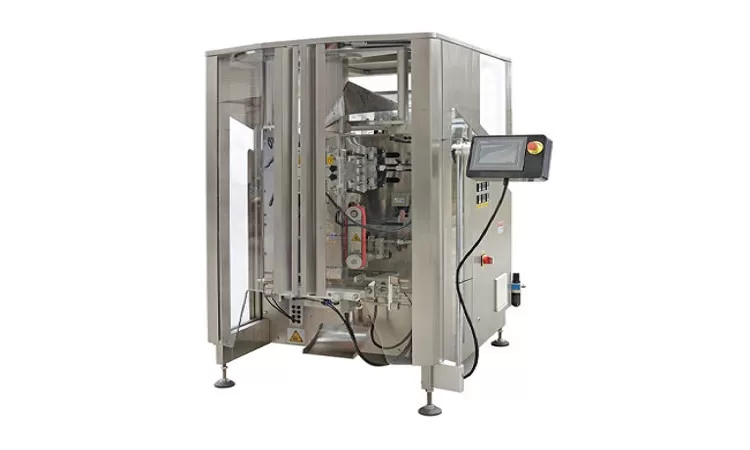
VFFS Equipment: The Ultimate Guide to Vertical Form Fill Seal Technology
13-03-2026 -
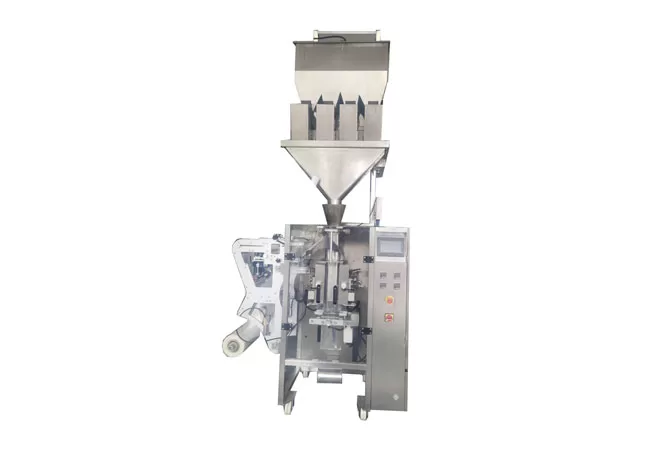
The Essential Guide to Weight Packing Machines for Precision Weighing
12-03-2026 -
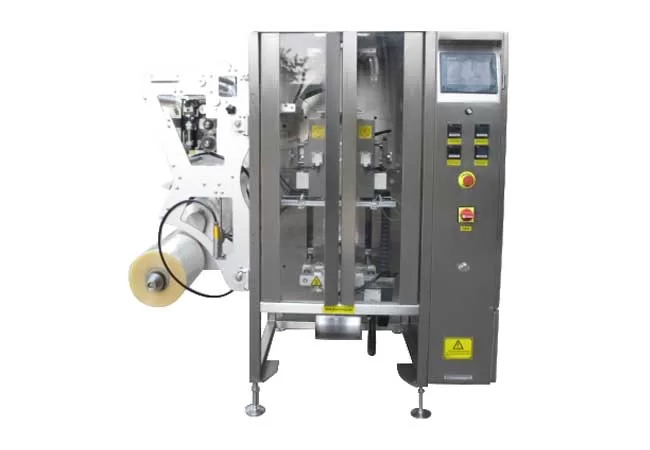
Power Packing Machine: The Ultimate Guide to Heavy-Duty Packaging Efficiency
11-03-2026 -
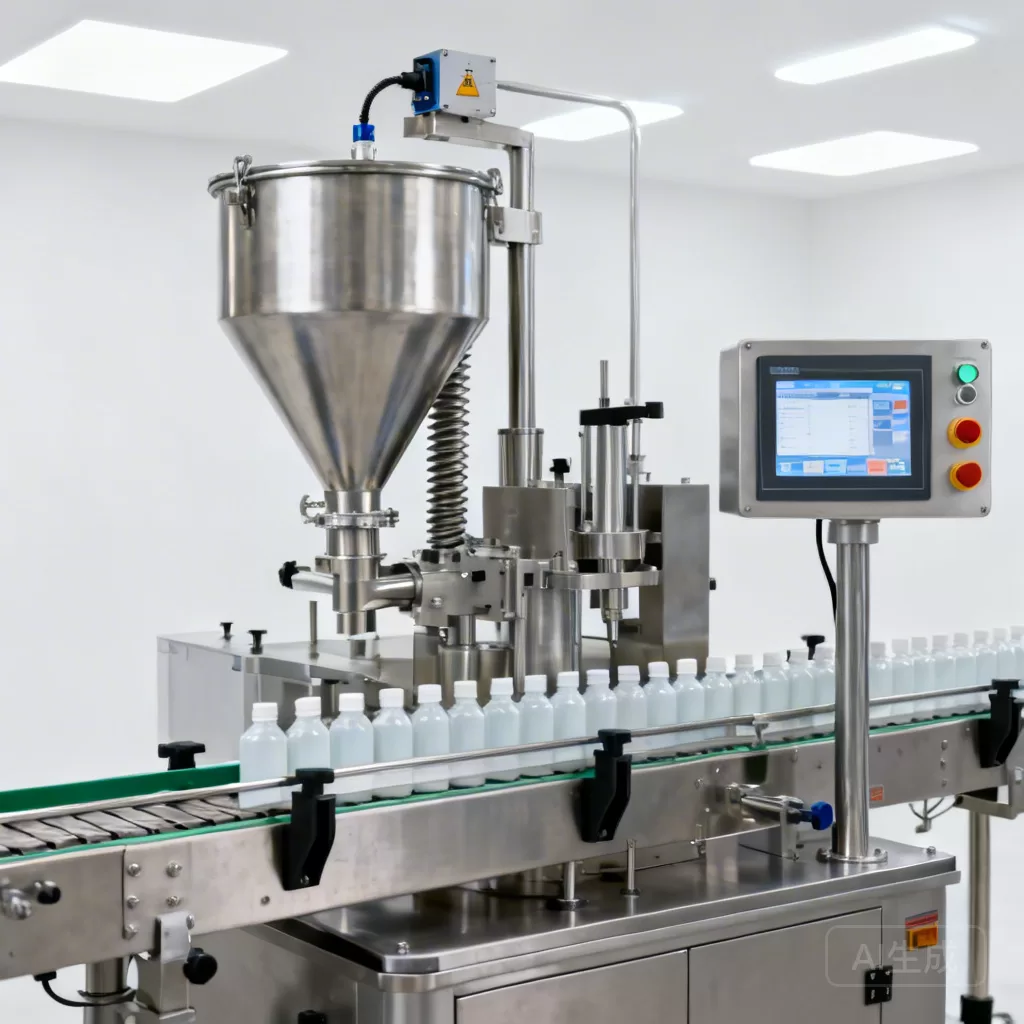
Weigher Packing Machine: The Definitive Guide to Precision Weighing & Packaging
10-03-2026 -
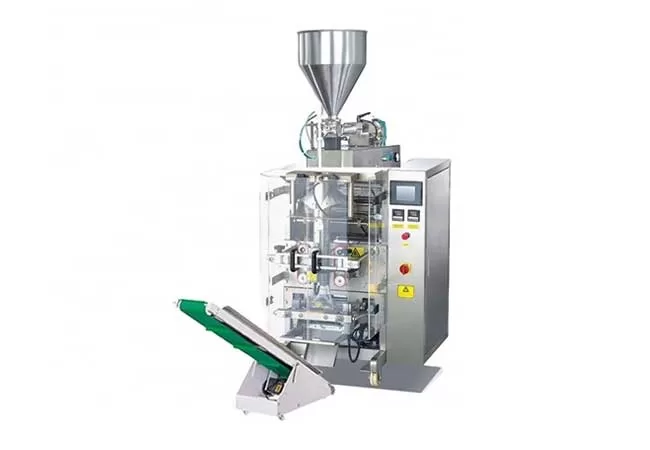
Auger Type Powder Filling Machine: The Ultimate Guide to Precision Packaging
09-03-2026 -
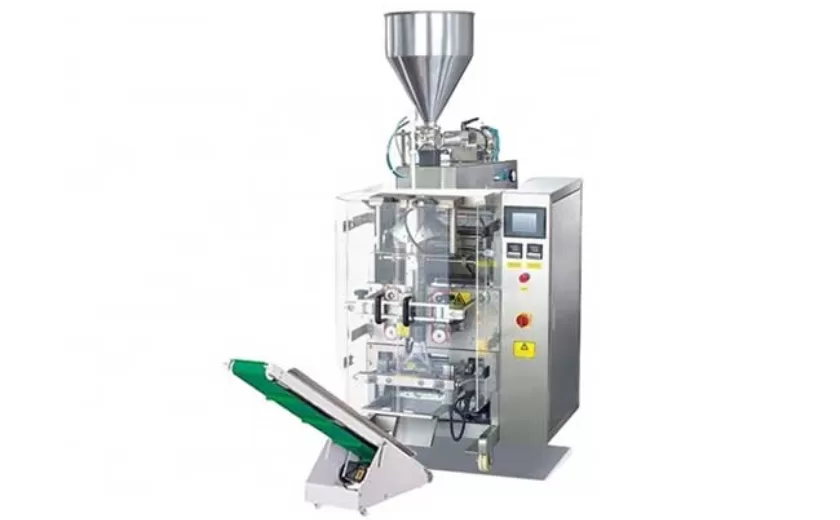
Advanced Packing Solutions: Snacks, Sugar, and Frozen Food Machines
29-10-2025 -
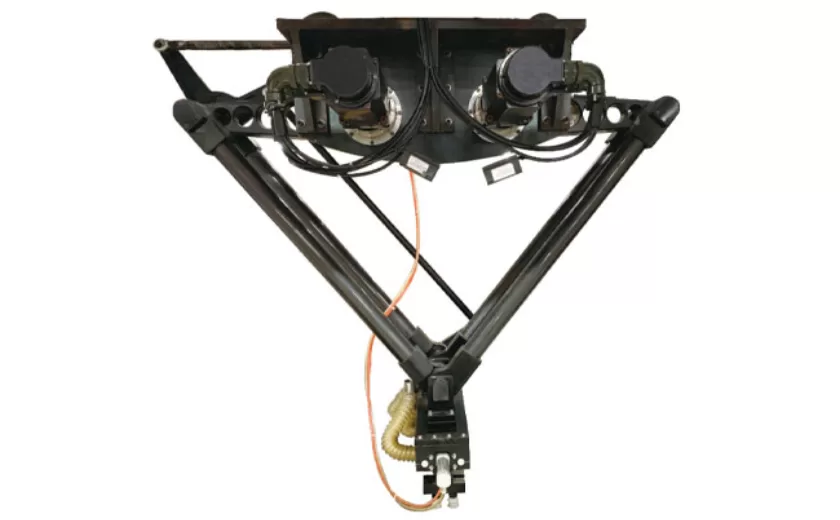
Efficient and Reliable Solutions for Salt, Nuts, and Frozen Dumplings Packing
29-10-2025 -
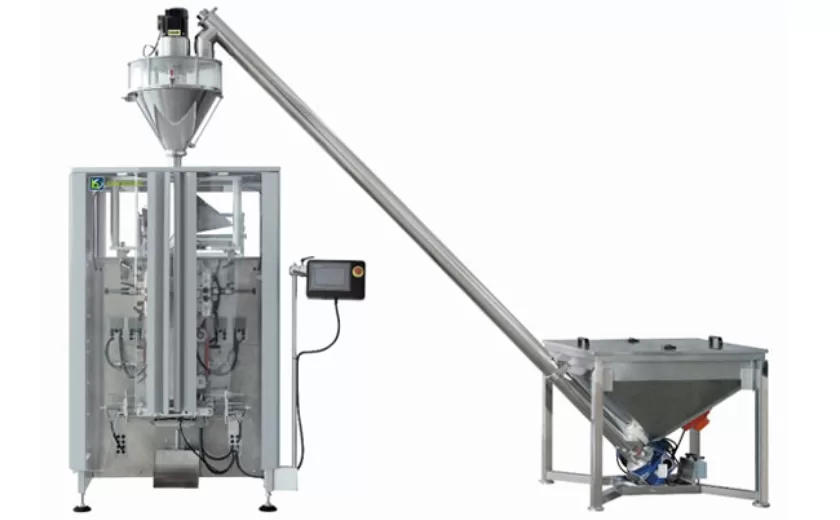
High-Performance Biscuits, Lollipop, and Ketchup Packing Machines for Modern Food Production
29-10-2025 -
Efficient Liquid Filling and Packing Machines for Modern Production
23-10-2025 -
Reliable Granule Packaging Machines for Efficient Production
23-10-2025
