
The Environmental Impact of Semi-Automatic Weight Machines
Semi-automatic weight machines are prevalent in gyms and fitness centers, offering convenience and efficiency for weightlifting enthusiasts. However, their environmental footprint has garnered significant attention, prompting investigations into their impact on the ecosystem. This article examines the environmental consequences of semi-automatic weight machines from multiple perspectives.
Resource Consumption
Materials
Semi-automatic weight machines typically feature metal frames, weights, and composite materials. These components require significant amounts of raw materials for production, leading to increased mining and processing operations. The extraction of these materials depletes natural resources and can result in environmental degradation, such as deforestation, habitat loss, and air pollution.
Energy Consumption
The operation of semi-automatic weight machines requires electricity. While some machines incorporate energy-efficient features, many models still consume substantial amounts of power. The energy demand for these machines contributes to greenhouse gas emissions, particularly when sourced from fossil fuels.
Waste Generation
End-of-Life Disposal
Semi-automatic weight machines have a limited lifespan. When they reach the end of their useful life, their disposal poses environmental challenges. The heavy materials and complex components of these machines make recycling and reuse difficult. Consequently, they often end up in landfills, where they can take years to decompose and leach harmful substances into the surrounding environment.
Packaging and Transportation
The transportation and packaging of semi-automatic weight machines generate additional waste. The machines are typically shipped in bulky packaging, which contributes to the accumulation of non-biodegradable materials. Additionally, the transportation of these machines from manufacturing facilities to fitness centers involves the use of fossil fuels, releasing pollutants into the atmosphere.
Pollution
Air Pollution
The production and disposal of semi-automatic weight machines can contribute to air pollution. The mining and processing of raw materials, the manufacturing processes, and the incineration or landfilling of waste materials release various air pollutants, including particulate matter, sulfur dioxide, and nitrogen oxides. These pollutants can have detrimental effects on human health and the environment.
Water Pollution
Water pollution can also result from the manufacturing and disposal of semi-automatic weight machines. The extraction of raw materials and the industrial processes involved in production can generate wastewater containing hazardous chemicals. Improper disposal of this wastewater can contaminate water bodies, posing risks to aquatic ecosystems and human health.
Conclusion
Semi-automatic weight machines offer convenience in fitness centers, but their environmental impact cannot be overlooked. The consumption of resources, waste generation, and pollution associated with these machines raise concerns about their sustainability. It is crucial for manufacturers and fitness facilities to implement eco-friendly practices throughout the lifecycle of these machines to minimize their environmental footprint.


-
VFFS Equipment: The Ultimate Guide to Vertical Form Fill Seal Technology
13-03-2026 -
The Essential Guide to Weight Packing Machines for Precision Weighing
12-03-2026 -
Power Packing Machine: The Ultimate Guide to Heavy-Duty Packaging Efficiency
11-03-2026 -
Weigher Packing Machine: The Definitive Guide to Precision Weighing & Packaging
10-03-2026 -
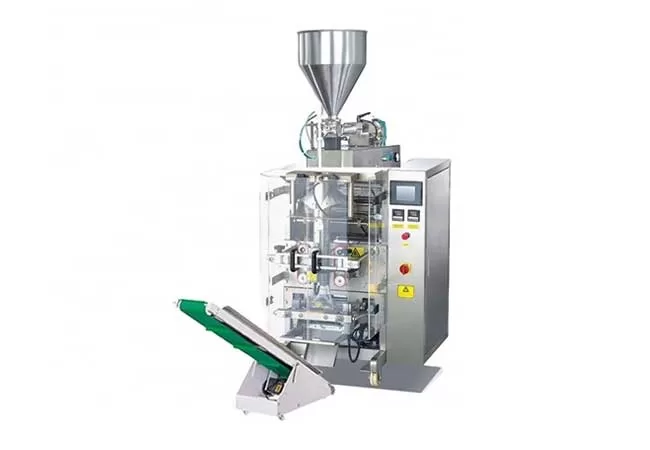
Auger Type Powder Filling Machine: The Ultimate Guide to Precision Packaging
09-03-2026 -
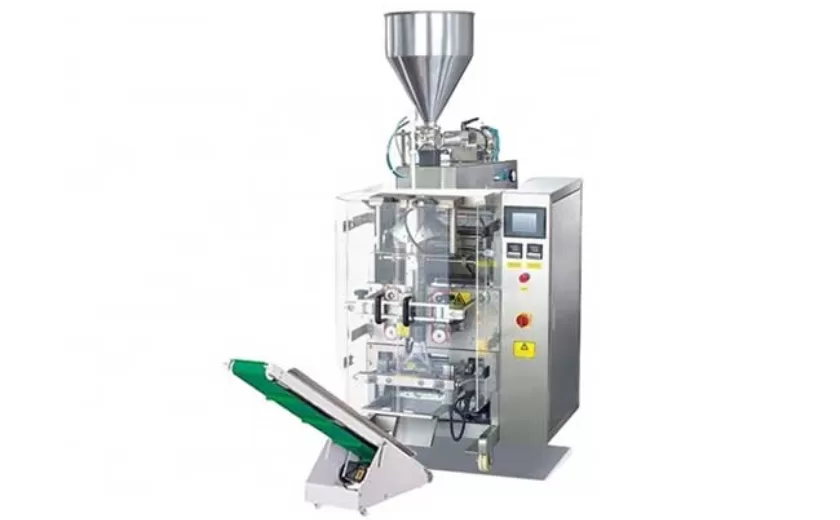
Advanced Packing Solutions: Snacks, Sugar, and Frozen Food Machines
29-10-2025 -
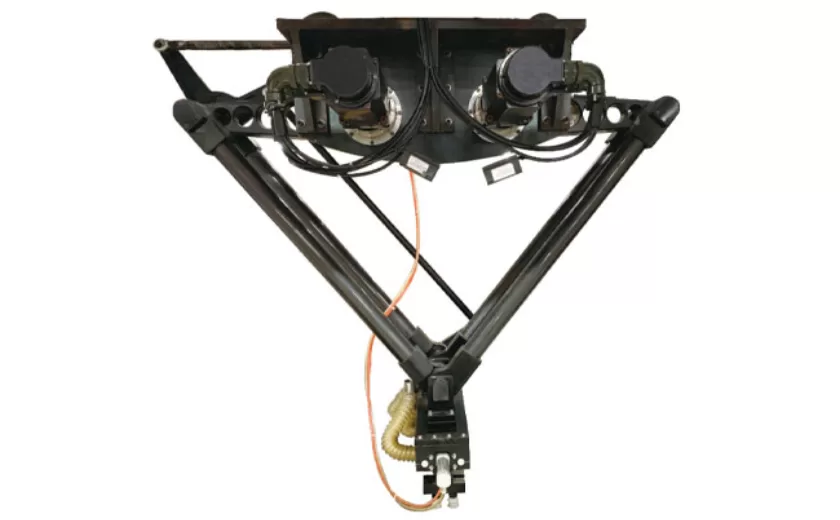
Efficient and Reliable Solutions for Salt, Nuts, and Frozen Dumplings Packing
29-10-2025 -
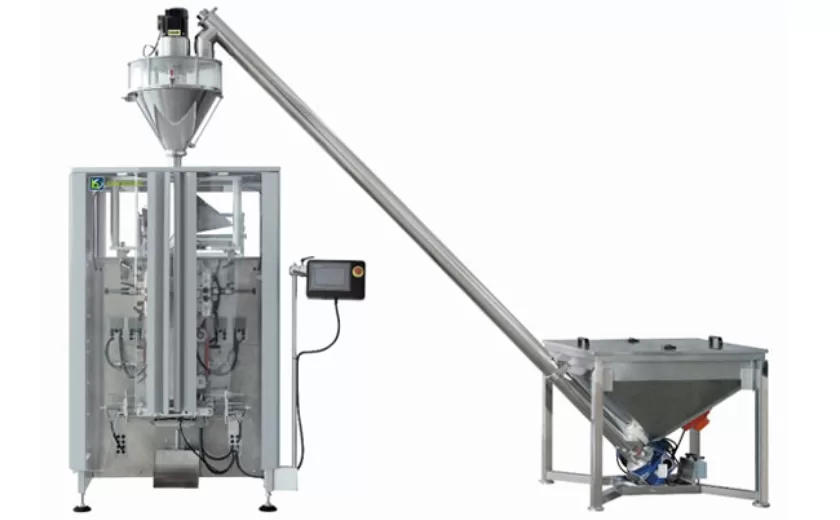
High-Performance Biscuits, Lollipop, and Ketchup Packing Machines for Modern Food Production
29-10-2025 -
Efficient Liquid Filling and Packing Machines for Modern Production
23-10-2025 -
Reliable Granule Packaging Machines for Efficient Production
23-10-2025
