
The Environmental Impact of Multihead Weigher Machines
The Environmental Impact of Multihead Weigher Machines: An Eye-Opening Investigation
In the realm of industrial automation, the rise of multihead weigher machines has brought unprecedented precision and efficiency to packaging processes. However, their colossal presence in factories worldwide raises the enigmatic question: what is the environmental footprint of these ubiquitous machines?
Material Consumption: An Oversized Burden
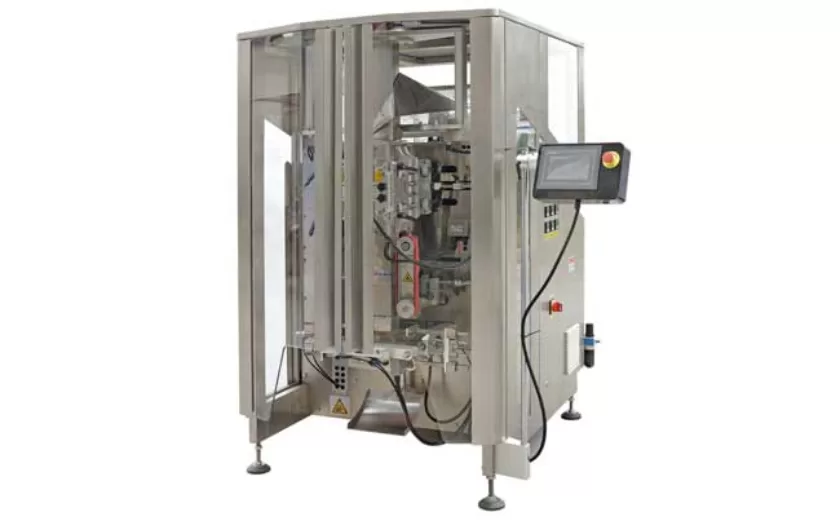
The gargantuan structures of multihead weigher machines are primarily composed of stainless steel and other durable materials, contributing significantly to their carbon footprint. The extraction, processing, and transportation of these materials consume vast amounts of energy and resources, exacerbating greenhouse gas emissions and depleting finite reserves.
Energy Consumption: A Silent Energy Guzzler
The intricate mechanisms of multihead weigher machines require a substantial amount of energy to operate. They employ multiple motors, sensors, and control systems that continuously monitor and adjust the weighing process. This unceasing energy demand translates into increased electricity usage, contributing to power grid strain and carbon dioxide emissions.
Waste Generation: A Hidden Dilemma
During the manufacturing and assembly of multihead weigher machines, a considerable amount of waste is generated. Scrap metal, plastic components, and packaging materials are often discarded without proper recycling or disposal. This waste finds its way into landfills, polluting the environment and depleting valuable resources.
End-of-Life Disposal: A Challenging Conundrum
The disposal of obsolete multihead weigher machines poses a significant environmental challenge. Due to their complex nature and the presence of hazardous materials, they cannot be easily recycled or disposed of in conventional landfills. Specialized dismantling and recycling facilities are required to handle these machines responsibly, adding to the environmental burden.
Mitigating the Impact: A Path to Sustainability
Recognizing the environmental impact of multihead weigher machines, manufacturers and users alike have a responsibility to mitigate their footprints. Sustainable practices include:
Material Optimization: Exploring alternative materials with reduced environmental impact
Energy Efficiency: Implementing energy-saving technologies and optimizing machine performance
Proper Waste Management: Establishing recycling and disposal systems for all waste generated
Responsible End-of-Life Disposal: Collaborating with specialized facilities to ensure proper dismantling and recycling
Life Cycle Assessment: Conducting comprehensive evaluations of environmental impacts throughout the entire product lifecycle
By embracing these sustainable practices, the industry can reduce the environmental footprint of multihead weigher machines and contribute to a greener future for manufacturing.


-
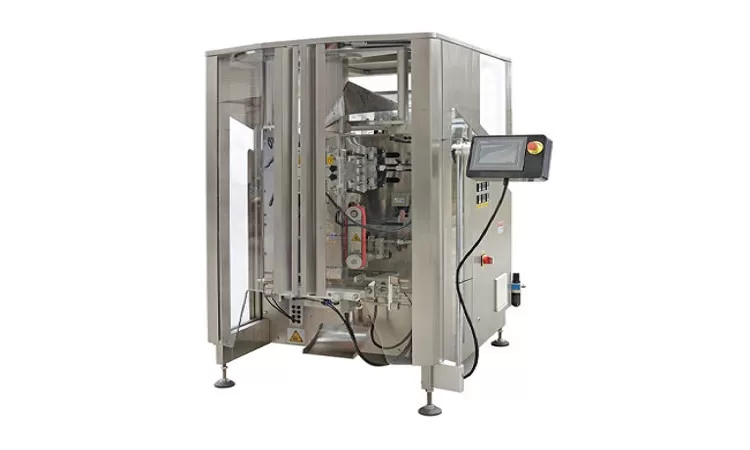
VFFS Equipment: The Ultimate Guide to Vertical Form Fill Seal Technology
13-03-2026 -
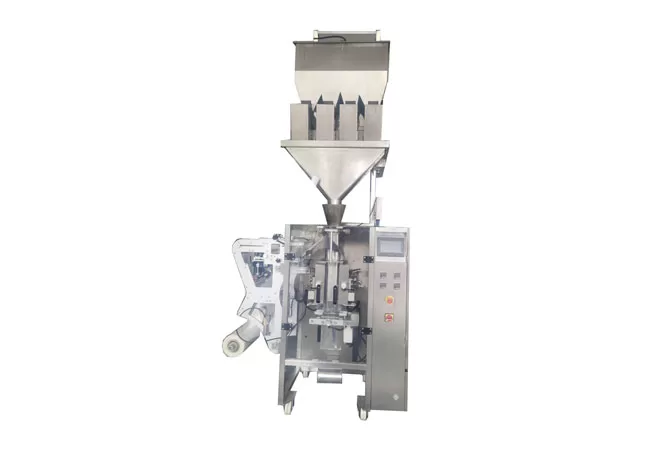
The Essential Guide to Weight Packing Machines for Precision Weighing
12-03-2026 -
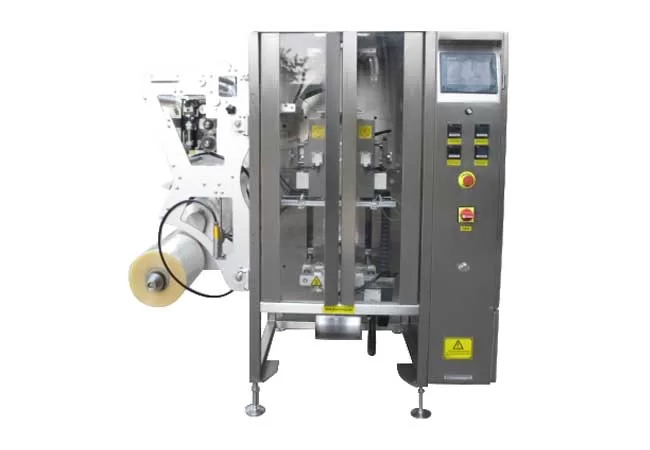
Power Packing Machine: The Ultimate Guide to Heavy-Duty Packaging Efficiency
11-03-2026 -
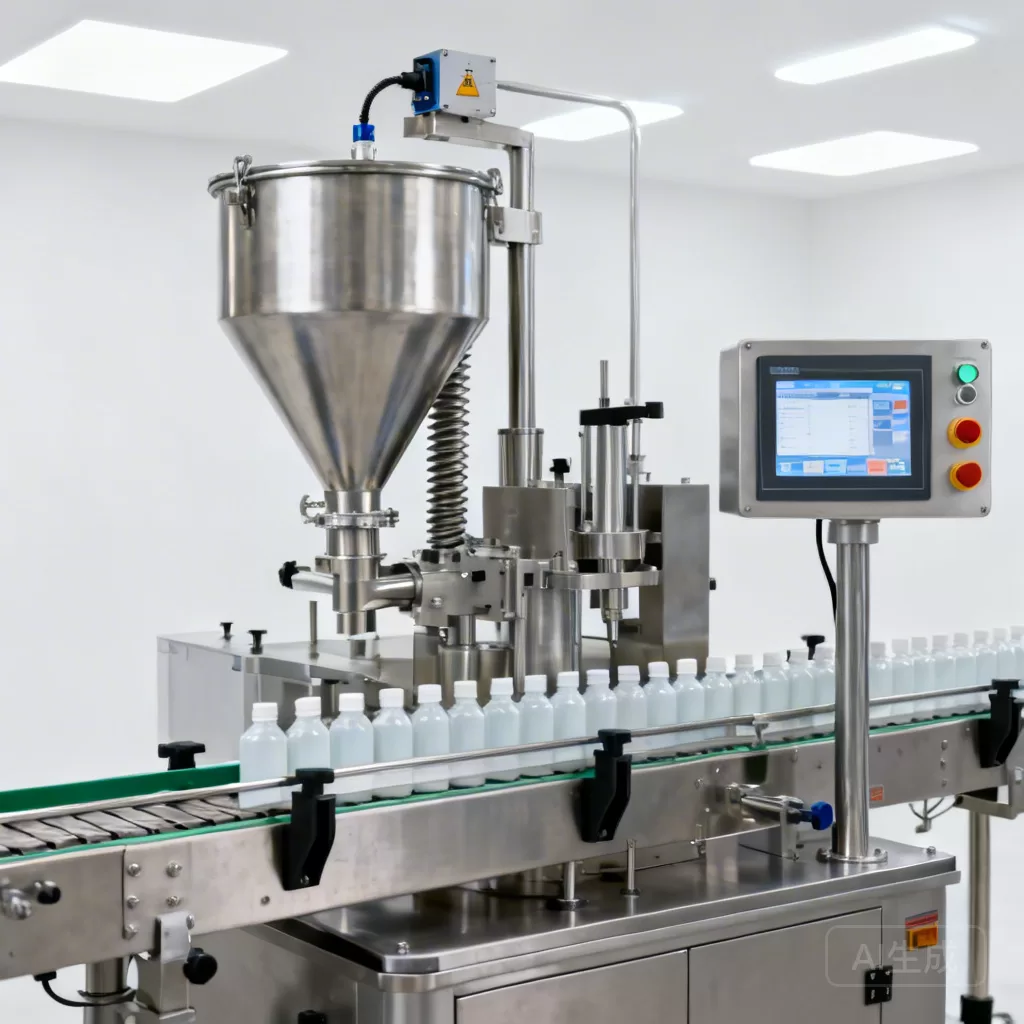
Weigher Packing Machine: The Definitive Guide to Precision Weighing & Packaging
10-03-2026 -
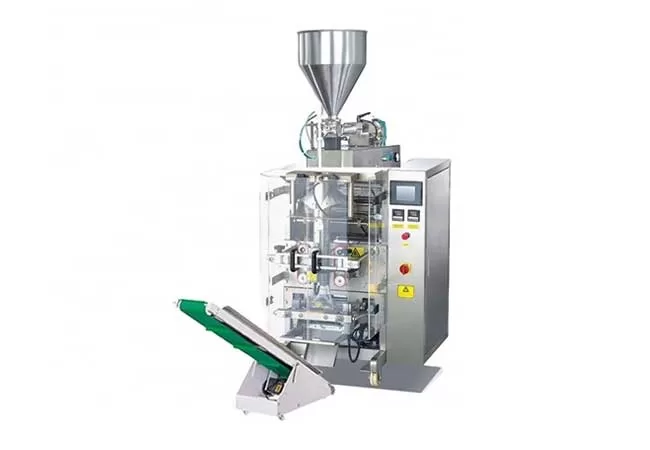
Auger Type Powder Filling Machine: The Ultimate Guide to Precision Packaging
09-03-2026 -
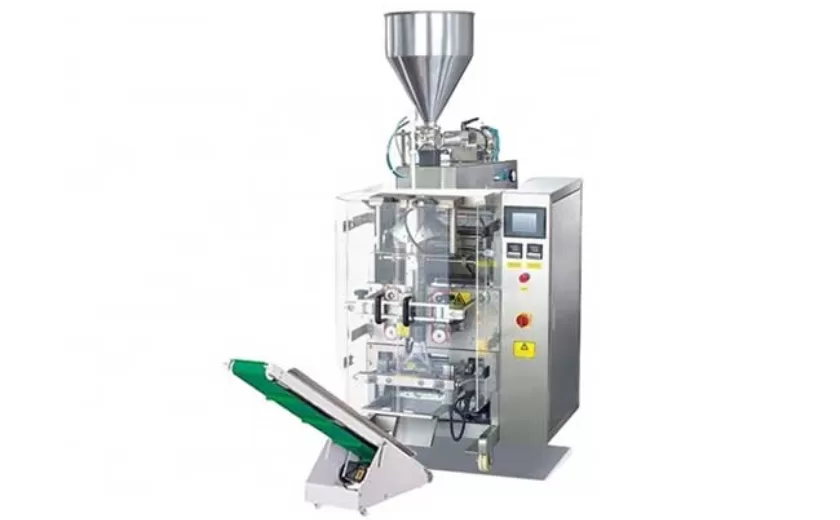
Advanced Packing Solutions: Snacks, Sugar, and Frozen Food Machines
29-10-2025 -
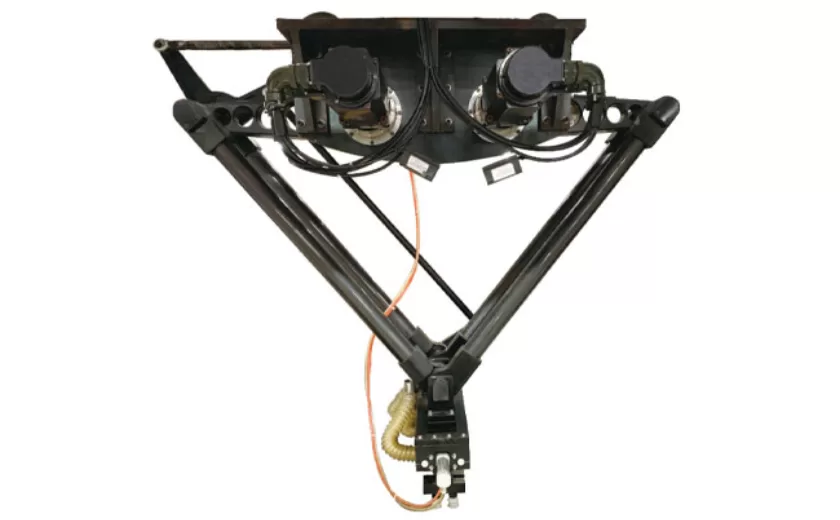
Efficient and Reliable Solutions for Salt, Nuts, and Frozen Dumplings Packing
29-10-2025 -
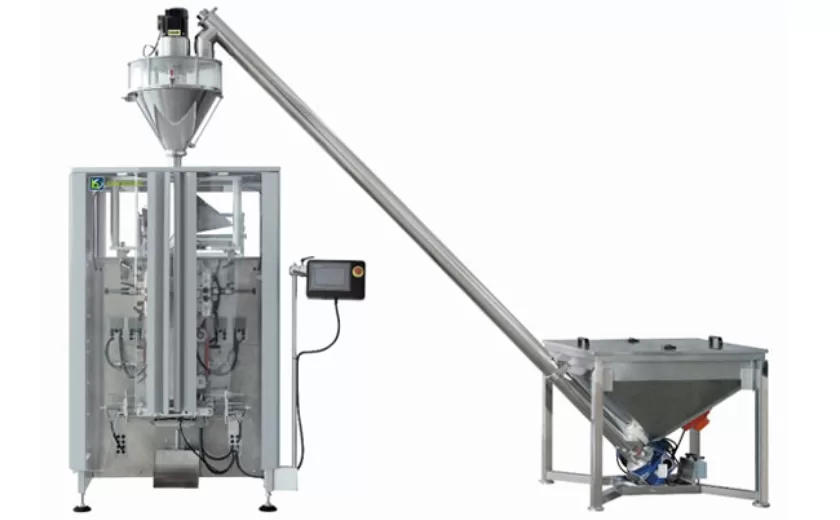
High-Performance Biscuits, Lollipop, and Ketchup Packing Machines for Modern Food Production
29-10-2025 -
Efficient Liquid Filling and Packing Machines for Modern Production
23-10-2025 -
Reliable Granule Packaging Machines for Efficient Production
23-10-2025
