
The Environmental Impact of Multi-Head Weighing Machines
Multi-head weighing machines (MWMs) are precision weighing systems widely used in the food and pharmaceutical industries to ensure accurate and efficient product packaging. While offering speed and accuracy, the environmental impact of MWMs has come under scrutiny, highlighting the need for sustainable practices in their design and operation.
Energy Consumption
MWMs require significant amounts of electrical energy to operate. The number of heads, weighing speed, and size of the machine all contribute to its energy consumption. By incorporating energy-efficient components and optimizing weighing algorithms, manufacturers can reduce the environmental footprint of MWMs.
Material Use
The construction of MWMs involves a considerable amount of materials, including stainless steel, aluminum, and various plastics. Sustainable design practices that focus on using recycled or biodegradable materials and minimizing waste can reduce the environmental impact during manufacturing.
Waste Generation
MWMs generate waste during their operation and maintenance. Packaging materials, worn components, and lubricant disposal can contribute to environmental pollution. Implementing waste reduction strategies, such as recycling and responsible disposal, is essential to mitigate the environmental impact.
Lifecycle Considerations
The environmental impact of MWMs extends beyond their operational lifespan. Proper disposal of outdated machines at the end of their useful life is crucial. By working with manufacturers that offer take-back or recycling programs, users can ensure responsible disposal and reduce the waste burden on the environment.
Sustainable Procurement
When procuring MWMs, organizations can consider environmental factors in their decision-making process. Supporting manufacturers committed to sustainability, with environmental certifications such as ISO 14001, helps promote responsible practices throughout the industry.
The environmental impact of multi-head weighing machines is a multifaceted issue that requires a holistic approach. By incorporating energy-efficient technologies, using sustainable materials, reducing waste, extending lifecycle, and implementing responsible procurement practices, manufacturers and users can contribute to a more sustainable food and pharmaceutical industry. Embracing innovative and environmentally conscious solutions is essential for minimizing the impact on the planet while ensuring the efficient and accurate weighing of products.


-
VFFS Equipment: The Ultimate Guide to Vertical Form Fill Seal Technology
13-03-2026 -
The Essential Guide to Weight Packing Machines for Precision Weighing
12-03-2026 -
Power Packing Machine: The Ultimate Guide to Heavy-Duty Packaging Efficiency
11-03-2026 -
Weigher Packing Machine: The Definitive Guide to Precision Weighing & Packaging
10-03-2026 -
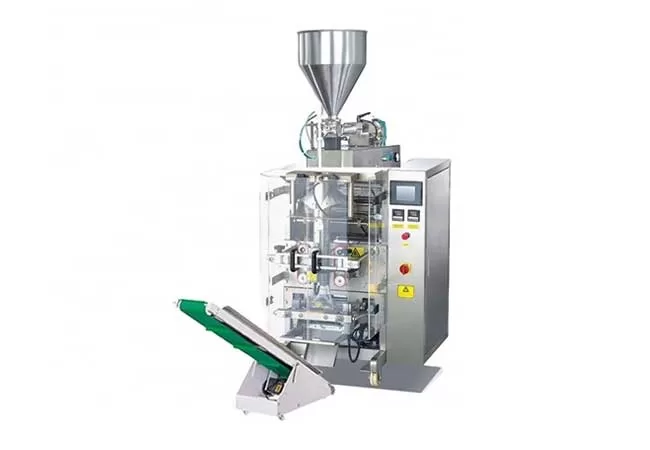
Auger Type Powder Filling Machine: The Ultimate Guide to Precision Packaging
09-03-2026 -
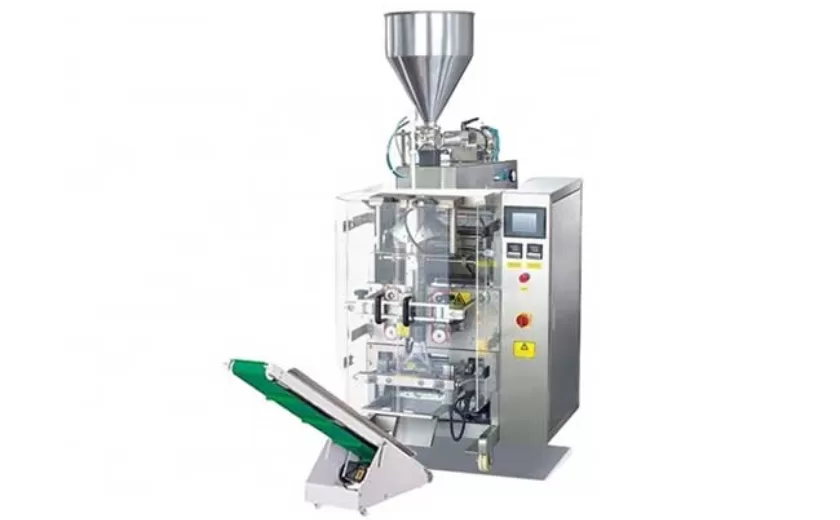
Advanced Packing Solutions: Snacks, Sugar, and Frozen Food Machines
29-10-2025 -
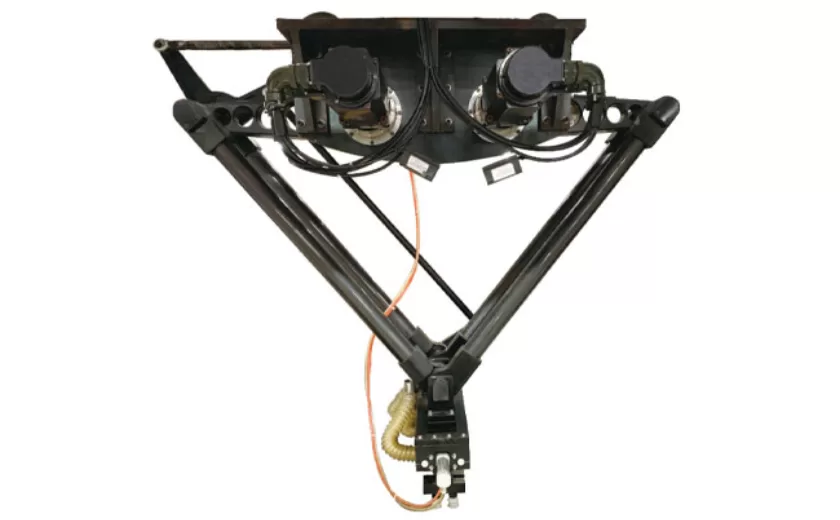
Efficient and Reliable Solutions for Salt, Nuts, and Frozen Dumplings Packing
29-10-2025 -
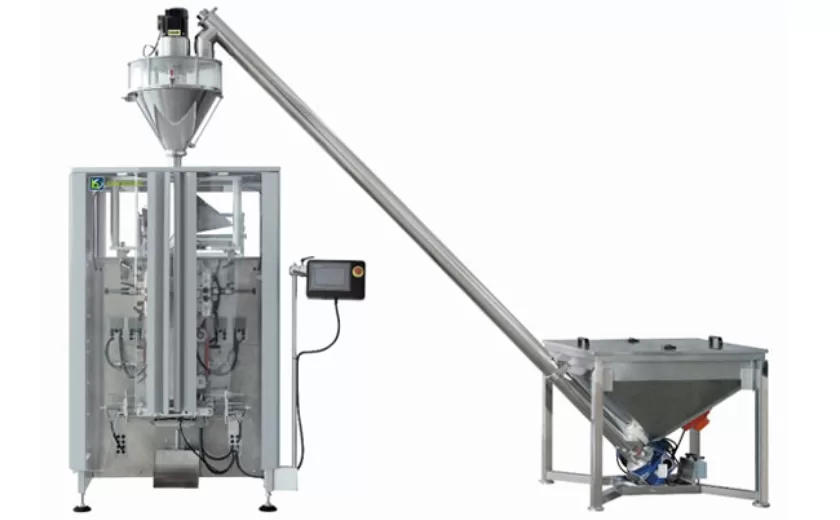
High-Performance Biscuits, Lollipop, and Ketchup Packing Machines for Modern Food Production
29-10-2025 -
Efficient Liquid Filling and Packing Machines for Modern Production
23-10-2025 -
Reliable Granule Packaging Machines for Efficient Production
23-10-2025
