
Sustainable Packaging Options for Liquid Sachets
Introduction
Liquid sachets are a convenient and portable way to package and dispense liquids. However, traditional liquid sachets are often made from non-biodegradable materials, which can contribute to environmental pollution. As a result, there is a growing demand for sustainable packaging options for liquid sachets.
This article will explore some of the most sustainable packaging options for liquid sachets. We will discuss the benefits and drawbacks of each option, and provide recommendations for choosing the right option for your product.
Biodegradable Materials
One of the most sustainable packaging options for liquid sachets is to use biodegradable materials. Biodegradable materials break down naturally over time, without leaving behind harmful residues. This makes them a more environmentally friendly option than traditional materials, such as plastic.
There are a number of different biodegradable materials that can be used to make liquid sachets. Some of the most common include:
Paper: Paper is a biodegradable and renewable resource. It is also relatively inexpensive and easy to work with. However, paper is not water-resistant, so it is not suitable for packaging liquids that are prone to leaking.
Plant-based plastics: Plant-based plastics are made from renewable resources, such as corn starch or sugarcane. They are biodegradable and compostable, making them a more sustainable option than traditional plastics. However, plant-based plastics can be more expensive than traditional plastics.
Biodegradable films: Biodegradable films are made from a variety of materials, including starch, cellulose, and polylactic acid (PLA). They are biodegradable and compostable, and they can be customized to meet the specific needs of your product.
Reusable Sachets
Another sustainable packaging option for liquid sachets is to use reusable sachets. Reusable sachets can be washed and reused multiple times, which reduces waste and saves money.
There are a number of different reusable sachets available on the market. Some of the most common include:
Squeeze pouches: Squeeze pouches are made from a durable material, such as silicone or TPU. They are easy to fill and dispense, and they can be washed and reused multiple times.
Hard-sided containers: Hard-sided containers are made from a durable material, such as metal or glass. They are more durable than squeeze pouches, but they are also more difficult to fill and dispense.
Portion cups: Portion cups are small, single-serving containers that can be used to package liquids. They are typically made from a biodegradable material, such as paper or plant-based plastic. Portion cups are not reusable, but they are a more sustainable option than traditional single-use sachets.
There are a number of sustainable packaging options available for liquid sachets. The best option for your product will depend on a number of factors, including the type of liquid, the desired shelf life, and the budget. By choosing a sustainable packaging option, you can help to reduce your environmental impact and create a more sustainable future.


-
VFFS Equipment: The Ultimate Guide to Vertical Form Fill Seal Technology
13-03-2026 -
The Essential Guide to Weight Packing Machines for Precision Weighing
12-03-2026 -
Power Packing Machine: The Ultimate Guide to Heavy-Duty Packaging Efficiency
11-03-2026 -
Weigher Packing Machine: The Definitive Guide to Precision Weighing & Packaging
10-03-2026 -
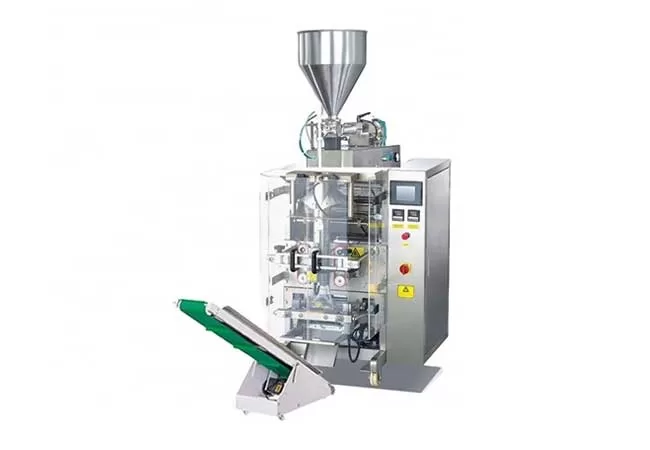
Auger Type Powder Filling Machine: The Ultimate Guide to Precision Packaging
09-03-2026 -
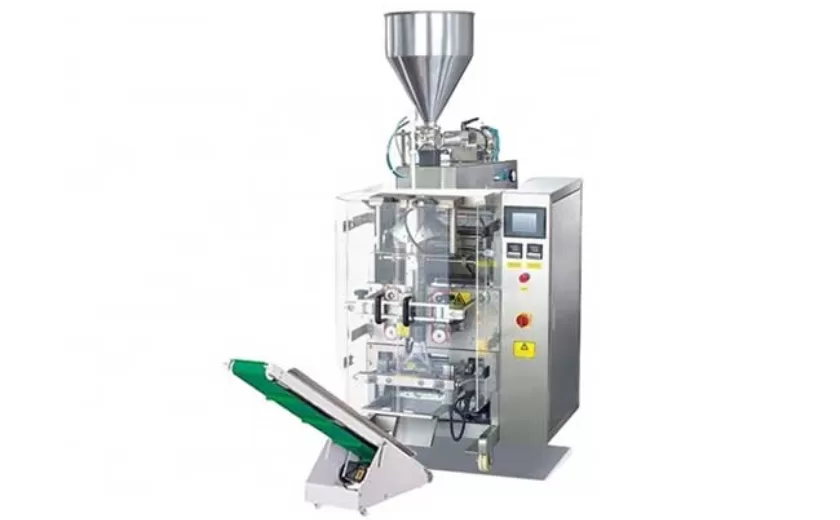
Advanced Packing Solutions: Snacks, Sugar, and Frozen Food Machines
29-10-2025 -
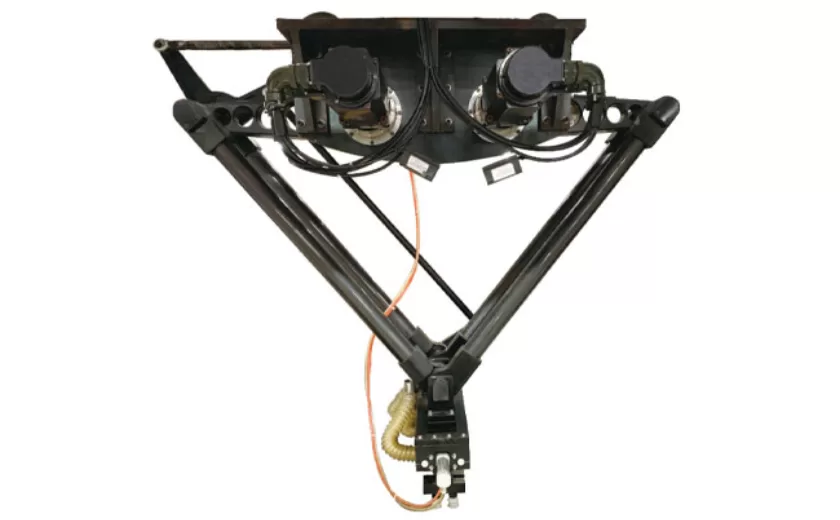
Efficient and Reliable Solutions for Salt, Nuts, and Frozen Dumplings Packing
29-10-2025 -
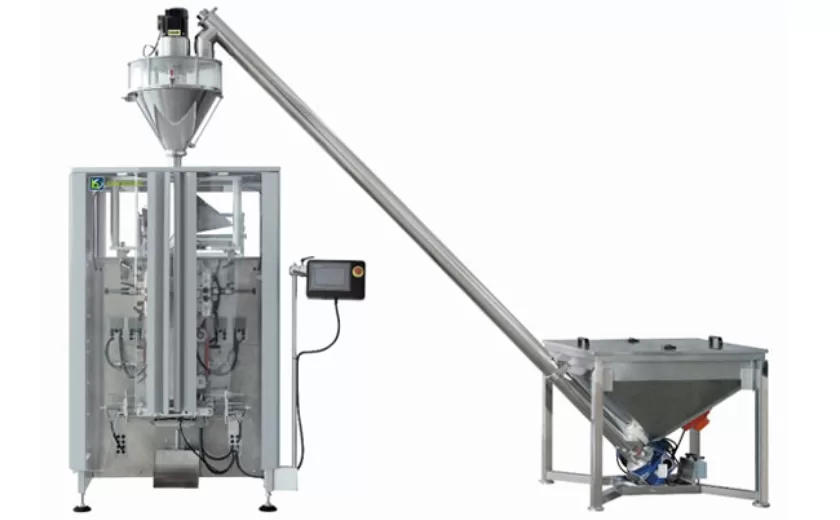
High-Performance Biscuits, Lollipop, and Ketchup Packing Machines for Modern Food Production
29-10-2025 -
Efficient Liquid Filling and Packing Machines for Modern Production
23-10-2025 -
Reliable Granule Packaging Machines for Efficient Production
23-10-2025
