
Sustainability in Zipper Pouch Packaging- Best Practices
Sustainability in Zipper Pouch Packaging: Unveiling the Path to a Greener Future
Introduction:
In the realm of packaging, sustainability has emerged as a beacon of change, illuminating the path towards a greener tomorrow. As consumers become increasingly eco-conscious, the onus falls upon manufacturers to adopt sustainable practices that minimize their environmental impact. Zipper pouches, ubiquitous in various industries, present a significant opportunity for harnessing sustainability without compromising functionality.
Best Practices for Sustainable Zipper Pouch Packaging:
1. Embrace Biodegradable Materials:
Replacing traditional plastic with biodegradable alternatives, such as polylactic acid (PLA) or polyhydroxyalkanoates (PHAs), offers a substantial reduction in carbon footprint. These plant-based polymers decompose naturally, reducing the accumulation of plastic waste in landfills and oceans.
2. Optimize Resource Utilization:
Through innovative design and manufacturing techniques, it is possible to minimize material usage without sacrificing pouch integrity. Reducing pouch thickness, optimizing pouch dimensions, and incorporating lightweight materials contribute to a significant decrease in environmental impact.
3. Promote Recyclability:
Ensuring that zipper pouches are manufactured using recyclable materials, such as high-density polyethylene (HDPE) or polypropylene (PP), makes it easier for consumers to dispose of them responsibly. Implementing clear labeling and educating consumers about recycling programs empowers them to contribute to the circular economy.
4. Leverage Renewable Energy:
Integrating renewable energy sources, such as solar or wind power, into the pouch production process significantly reduces greenhouse gas emissions. Utilizing sustainable energy ensures a lower carbon footprint throughout the supply chain.
5. Ethical Sourcing and Supplier Management:
Collaborating with suppliers who adhere to sustainable practices guarantees responsible sourcing of raw materials. Establishing partnerships with organizations certified by ethical standards, such as the Forest Stewardship Council (FSC) or the Global Organic Textile Standard (GOTS), promotes transparency and environmental accountability.
:
Sustainability in zipper pouch packaging is no longer a mere aspiration but a critical imperative for businesses seeking to create a sustainable future. By embracing biodegradable materials, optimizing resource utilization, promoting recyclability, leveraging renewable energy, and engaging in ethical sourcing, manufacturers can create eco-friendly packaging solutions that meet the demands of both consumers and the environment. As we move forward, sustainability will continue to be a driving force in the evolution of packaging, ensuring a harmonious coexistence between human ingenuity and environmental preservation.


-
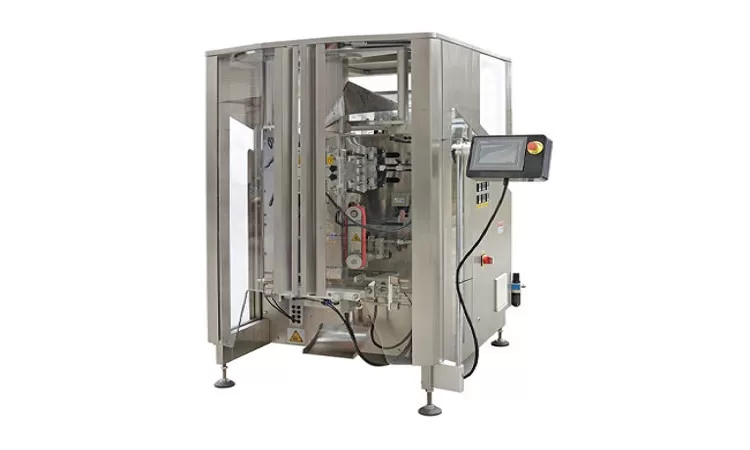
VFFS Equipment: The Ultimate Guide to Vertical Form Fill Seal Technology
13-03-2026 -
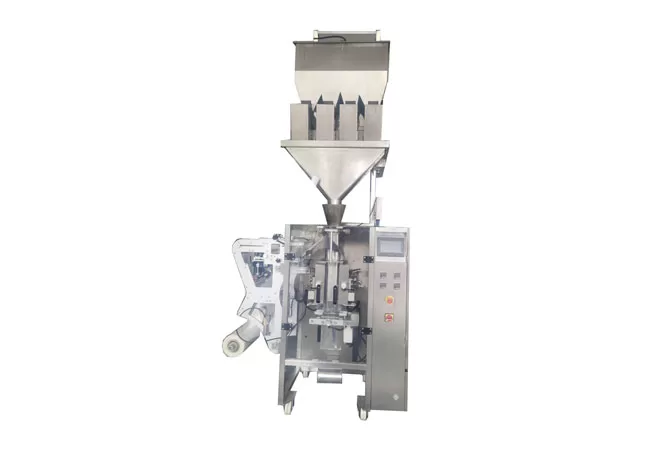
The Essential Guide to Weight Packing Machines for Precision Weighing
12-03-2026 -
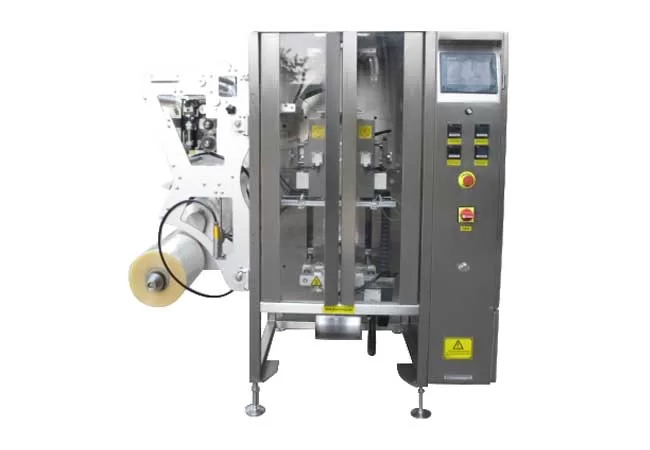
Power Packing Machine: The Ultimate Guide to Heavy-Duty Packaging Efficiency
11-03-2026 -
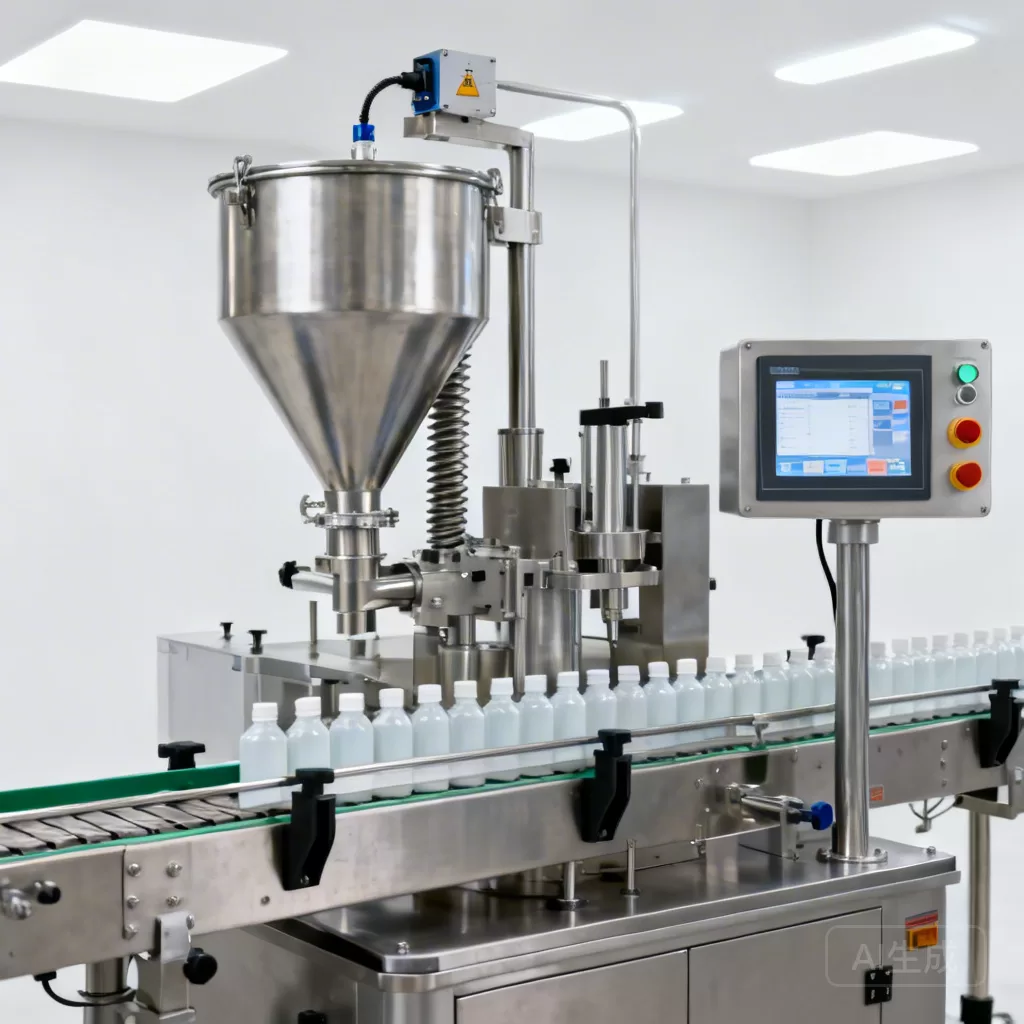
Weigher Packing Machine: The Definitive Guide to Precision Weighing & Packaging
10-03-2026 -
Auger Type Powder Filling Machine: The Ultimate Guide to Precision Packaging
09-03-2026 -
Advanced Packing Solutions: Snacks, Sugar, and Frozen Food Machines
29-10-2025 -
Efficient and Reliable Solutions for Salt, Nuts, and Frozen Dumplings Packing
29-10-2025 -
High-Performance Biscuits, Lollipop, and Ketchup Packing Machines for Modern Food Production
29-10-2025 -
Efficient Liquid Filling and Packing Machines for Modern Production
23-10-2025 -
Reliable Granule Packaging Machines for Efficient Production
23-10-2025
