
Step-by-Step Guide to Operating a 10-Head Multihead Weigher
Introduction
In the realm of precision weighment for high-speed packaging, multihead weighers reign supreme. Among them, the 10-head multihead weigher stands as a cornerstone of efficiency and accuracy. With its advanced technology, this machine offers an unparalleled blend of speed, reliability, and cost-effectiveness. This comprehensive guide provides a step-by-step approach to operating a 10-head multihead weigher, empowering users with the knowledge to optimize its performance.
Initial Setup
1. Placement and Leveling: Position the weigher on a stable and level surface to ensure accurate readings.
2. Power Connection: Connect the weigher to an appropriate power source, ensuring compatibility with its voltage and amperage requirements.
3. Product Loading: Fill the feed hopper with the target product, ensuring a consistent flow to the weigh pans.
4. Calibration: Perform the initial calibration to establish accurate weight readings. This involves loading a known weight (calibration weight) and adjusting the weigher’s parameters accordingly.
Operation
1. Target Weight Setting: Input the desired target weight for each weigh pan. This value should be precisely adjusted based on the product characteristics and packaging requirements.
2. Product Flow Regulation: Monitor the product flow into each weigh pan using the control panel. Adjust the vibrator settings or feed rates to ensure optimal distribution.
3. Weight Optimization: Observe the weight readings displayed on the control panel. Adjust the discharge gate settings or remove/add weights to individual weigh pans to fine-tune the weight distribution.
Data Monitoring
1. Real-Time Data: Access the control panel to monitor live weight readings, number of weigh cycles, and other performance indicators. This allows for immediate adjustments to maintain accuracy.
2. Statistical Analysis: Utilize the weigher’s built-in statistical analysis capabilities to track weight distribution, standard deviation, and other metrics. This data can identify trends and improve process stability.
Cleaning and Maintenance
1. Regular Cleaning: Remove product residues and debris from the weigher’s surfaces regularly to maintain hygiene and prevent malfunctions.
2. Calibration Verification: Periodically verify the calibration of the weigher using a calibration weight to ensure ongoing accuracy.
3. Routine Maintenance: Refer to the manufacturer’s guidelines for routine maintenance tasks such as lubricating moving parts and replacing worn components.
Conclusion
Operating a 10-head multihead weigher requires meticulous attention to detail and an understanding of its advanced capabilities. By following the steps outlined in this guide, users can unlock the full potential of this precision machine. From initial setup to ongoing monitoring and maintenance, this comprehensive approach empowers operators to maximize efficiency, accuracy, and reliability in their weighing operations.


-
VFFS Equipment: The Ultimate Guide to Vertical Form Fill Seal Technology
13-03-2026 -
The Essential Guide to Weight Packing Machines for Precision Weighing
12-03-2026 -
Power Packing Machine: The Ultimate Guide to Heavy-Duty Packaging Efficiency
11-03-2026 -
Weigher Packing Machine: The Definitive Guide to Precision Weighing & Packaging
10-03-2026 -
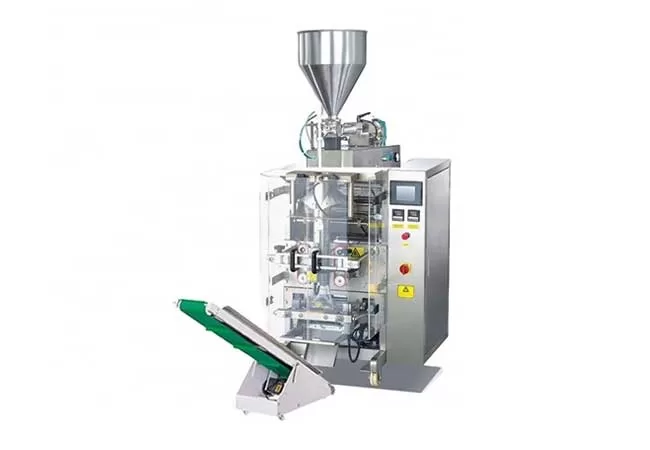
Auger Type Powder Filling Machine: The Ultimate Guide to Precision Packaging
09-03-2026 -
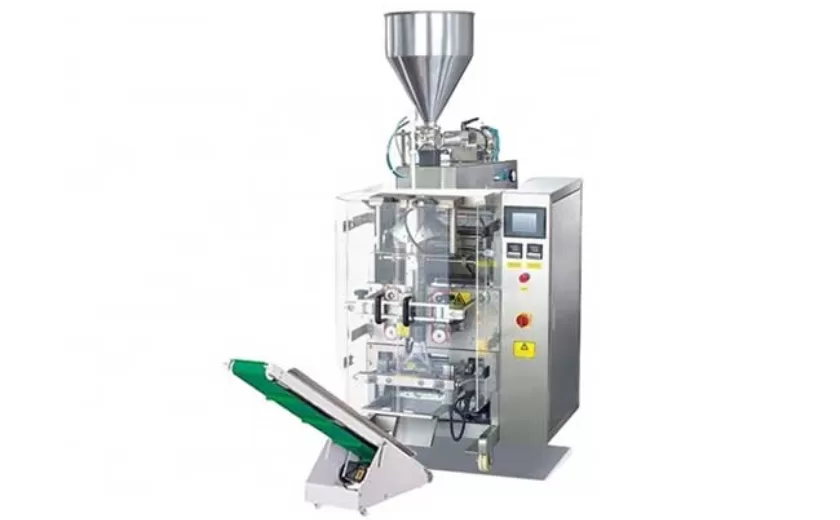
Advanced Packing Solutions: Snacks, Sugar, and Frozen Food Machines
29-10-2025 -
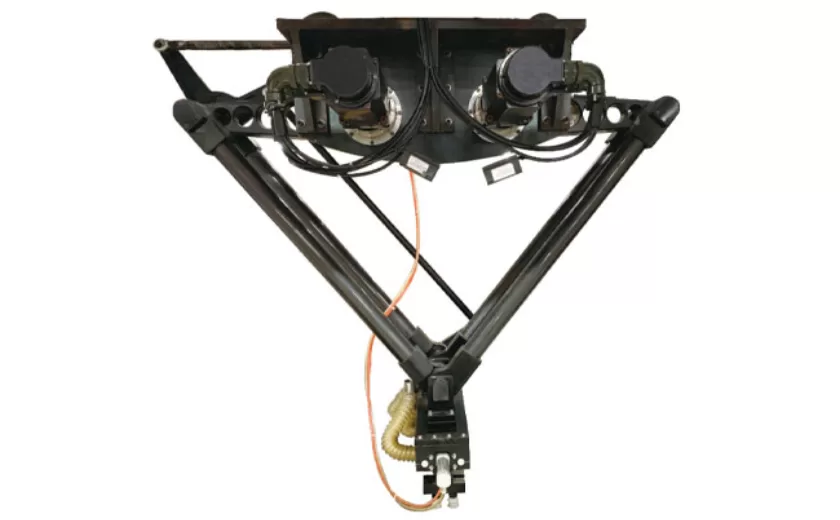
Efficient and Reliable Solutions for Salt, Nuts, and Frozen Dumplings Packing
29-10-2025 -
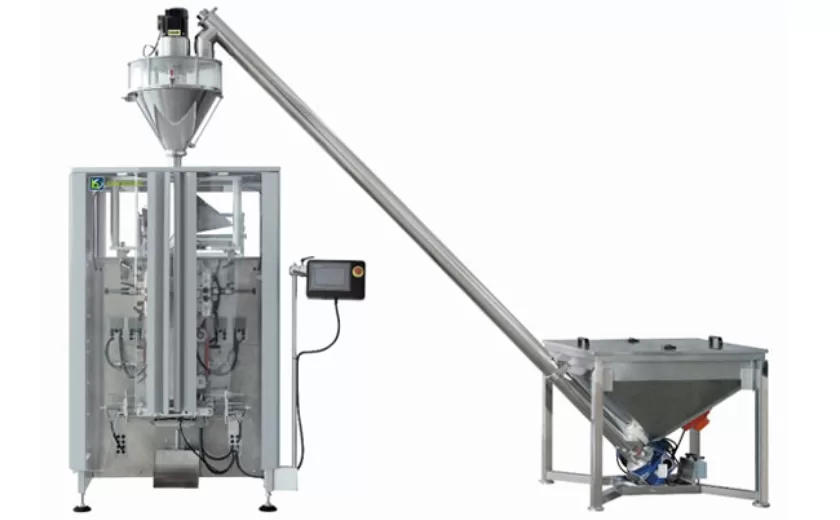
High-Performance Biscuits, Lollipop, and Ketchup Packing Machines for Modern Food Production
29-10-2025 -
Efficient Liquid Filling and Packing Machines for Modern Production
23-10-2025 -
Reliable Granule Packaging Machines for Efficient Production
23-10-2025
