
Manual vs. Automatic Weighing Packaging Machines- Which Is Better?
In the realm of packaging, precision and speed are paramount. The choice between manual and automatic weighing packaging machines lies at the heart of this pursuit.
Manual Weighing Packaging Machines: Traditional Dexterity
For centuries, manual weighing packaging machines have been the backbone of the packaging industry. They rely on the meticulous skills of operators to manually measure and fill products into packaging. This method offers the advantage of being highly customizable, allowing for precise adjustment to varying product weights and packaging sizes. However, it can be time-consuming and error-prone, especially with delicate or complex products.
Automatic Weighing Packaging Machines: Precision and Efficiency
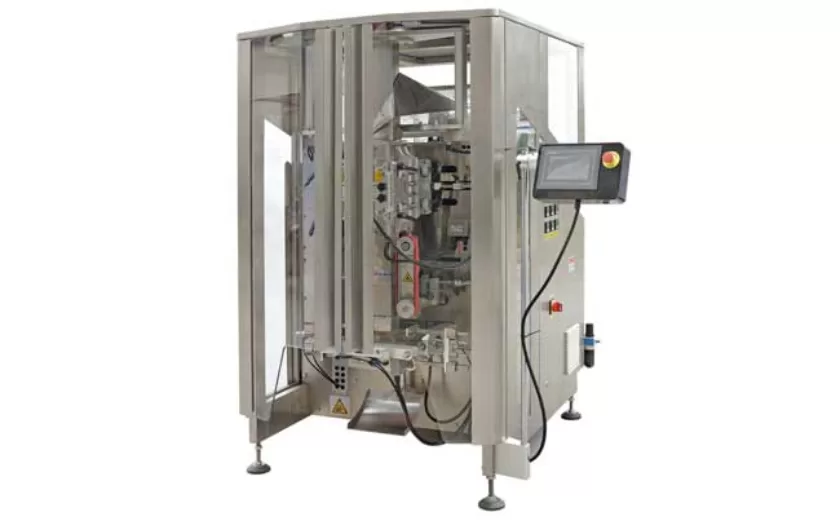
Automatic weighing packaging machines harness advanced technology to automate the weighing and packaging process. Equipped with sophisticated sensors and control systems, these machines minimize human error and achieve unparalleled precision. They also boast incredible speed, significantly increasing productivity and reducing labor costs. However, they tend to be more expensive than their manual counterparts and may not be suitable for small-scale or niche operations.
Weighing the Pros and Cons
The choice between manual and automatic weighing packaging machines depends on several factors:
Volume and Complexity: For low-volume or complex products, manual weighing machines may provide greater flexibility and precision.
Speed and Accuracy: Automatic machines excel in high-volume operations, ensuring consistent accuracy and reducing the risk of errors.
Labor Costs: Automated machines can minimize labor requirements, which can significantly reduce operating expenses.
Customization: Manual machines offer more customization options, but automated machines can be programmed with specific settings to suit various products.
Both manual and automatic weighing packaging machines have their merits. For high-volume operations or applications demanding precision and efficiency, automatic machines are the clear choice. However, manual machines remain valuable for handling delicate products or niche packaging requirements. By understanding the advantages and limitations of each type, manufacturers can optimize their packaging processes and ensure the highest quality and productivity.


-
VFFS Equipment: The Ultimate Guide to Vertical Form Fill Seal Technology
13-03-2026 -
The Essential Guide to Weight Packing Machines for Precision Weighing
12-03-2026 -
Power Packing Machine: The Ultimate Guide to Heavy-Duty Packaging Efficiency
11-03-2026 -
Weigher Packing Machine: The Definitive Guide to Precision Weighing & Packaging
10-03-2026 -
Auger Type Powder Filling Machine: The Ultimate Guide to Precision Packaging
09-03-2026 -
Advanced Packing Solutions: Snacks, Sugar, and Frozen Food Machines
29-10-2025 -
Efficient and Reliable Solutions for Salt, Nuts, and Frozen Dumplings Packing
29-10-2025 -
High-Performance Biscuits, Lollipop, and Ketchup Packing Machines for Modern Food Production
29-10-2025 -
Efficient Liquid Filling and Packing Machines for Modern Production
23-10-2025 -
Reliable Granule Packaging Machines for Efficient Production
23-10-2025
