
Manual vs. Automated Weighing and Sealing Machines- What’s Best for You?
Manual vs. Automated Weighing and Sealing Machines: What’s Best for You?
In today’s fast-paced manufacturing environment, efficiency and accuracy are paramount. When it comes to weighing and sealing products, the choice between manual and automated machines can significantly impact your operations. This article explores the key differences, advantages, and drawbacks of manual and automated weighing and sealing machines to help you make an informed decision for your business.
Manual Weighing and Sealing Machines
Advantages:
Lower Initial Cost: Manual machines generally have a lower upfront cost compared to automated models.
Simple Operation: Manual machines are easy to operate with minimal training required.
Flexibility: They can accommodate a wide range of products and package sizes.
Portability: Manual machines are typically lightweight and portable, allowing for use in various locations.
Drawbacks:
Slow Processing Speed: Manual weighing and sealing require manual labor, which can lead to slower processing times.
Inaccuracy: Human error and fatigue can compromise accuracy over extended periods.
Repetitive and Demanding: The repetitive nature of manual operations can lead to employee fatigue and potential injuries.
Automated Weighing and Sealing Machines
Advantages:
High Speed and Accuracy: Automated machines operate at significantly higher speeds than manual models, ensuring consistent accuracy.
Ergonomic Benefits: Automated machines eliminate manual labor, reducing physical strain and improving workplace ergonomics.
Reduced Labor Costs: Automating weighing and sealing processes saves labor costs over the long term.
Enhanced Data Tracking: Automated machines can collect and track production data, providing valuable insights for process optimization.
Drawbacks:
Higher Initial Cost: Automated machines typically require a larger upfront investment compared to manual models.
Technical Complexity: Automated machines require skilled technicians for maintenance and repairs.
Limited Flexibility: They may not be suitable for products with varying sizes or packaging requirements.
Factors to Consider
The best choice between manual and automated weighing and sealing machines depends on several factors, including:
Production Volume: Automated machines are more cost-effective for high-volume production.
Product Characteristics: The size, shape, and consistency of the products will influence machine suitability.
Accuracy Requirements: Automated machines offer higher levels of accuracy, which may be critical for certain applications.
Labor Availability and Cost: Labor constraints and cost can impact the feasibility of manual or automated operations.
Budget: The upfront investment and ongoing maintenance costs should align with your budgetary constraints.
By carefully evaluating these factors, you can determine whether manual or automated weighing and sealing machines are the best fit for your business. This decision will ultimately impact your productivity, accuracy, labor costs, and overall operational efficiency.


-
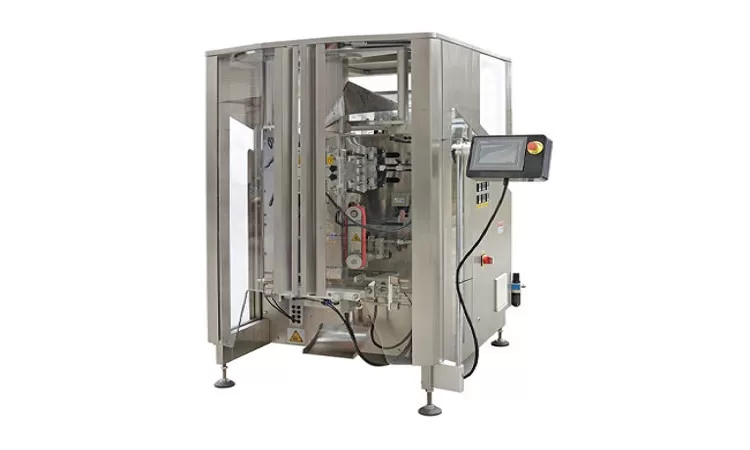
VFFS Equipment: The Ultimate Guide to Vertical Form Fill Seal Technology
13-03-2026 -
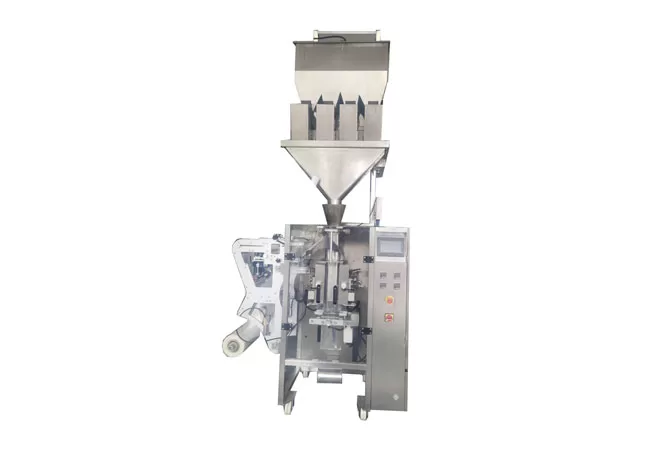
The Essential Guide to Weight Packing Machines for Precision Weighing
12-03-2026 -
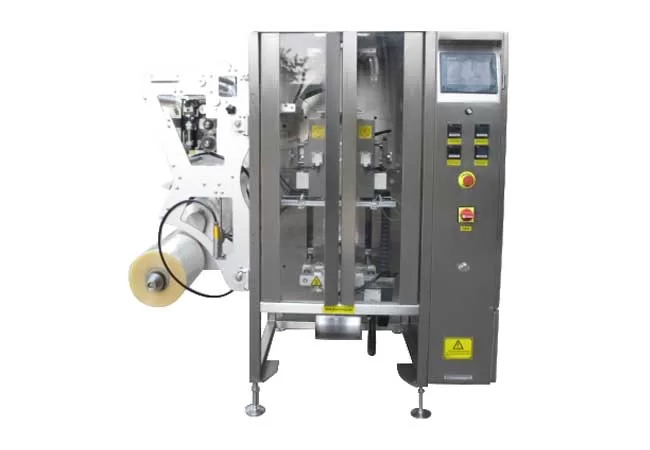
Power Packing Machine: The Ultimate Guide to Heavy-Duty Packaging Efficiency
11-03-2026 -
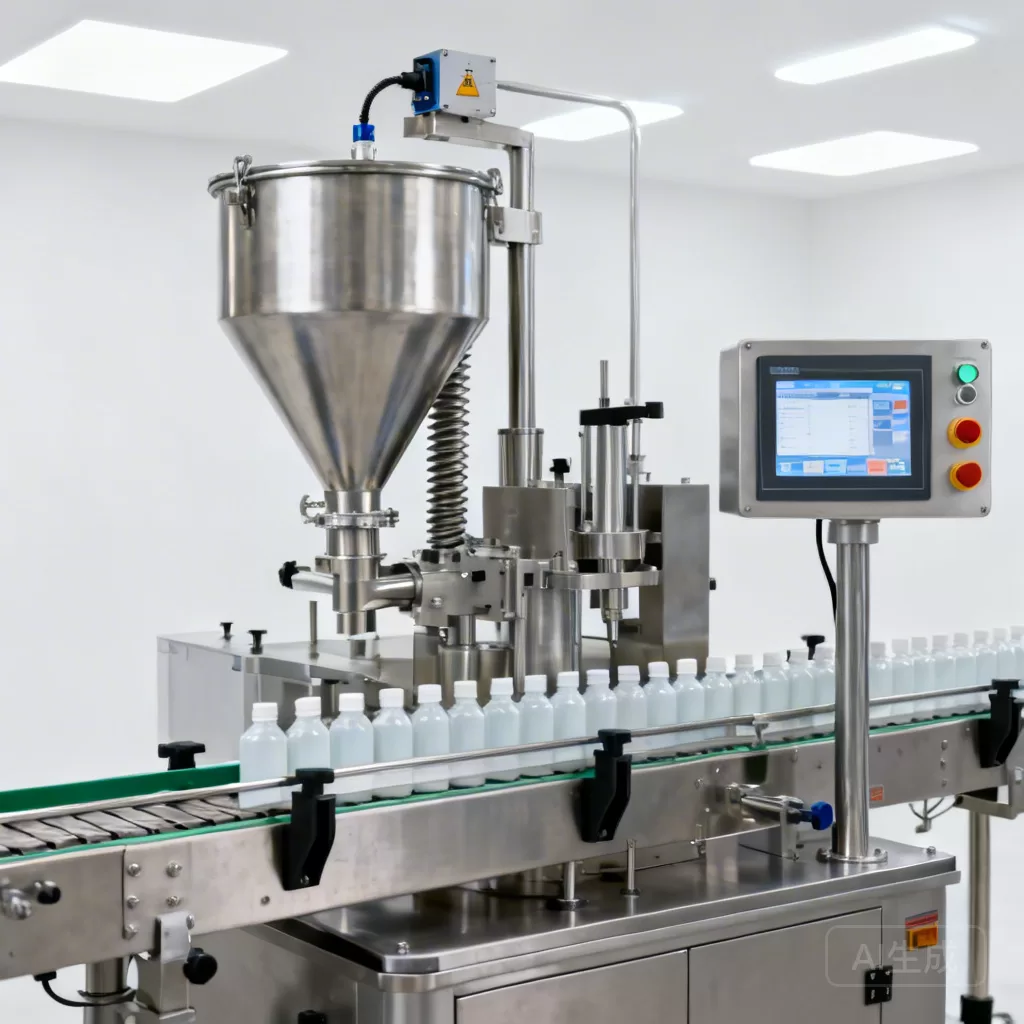
Weigher Packing Machine: The Definitive Guide to Precision Weighing & Packaging
10-03-2026 -
Auger Type Powder Filling Machine: The Ultimate Guide to Precision Packaging
09-03-2026 -
Advanced Packing Solutions: Snacks, Sugar, and Frozen Food Machines
29-10-2025 -
Efficient and Reliable Solutions for Salt, Nuts, and Frozen Dumplings Packing
29-10-2025 -
High-Performance Biscuits, Lollipop, and Ketchup Packing Machines for Modern Food Production
29-10-2025 -
Efficient Liquid Filling and Packing Machines for Modern Production
23-10-2025 -
Reliable Granule Packaging Machines for Efficient Production
23-10-2025
