
How to Train Your Staff on Operating Shampoo Pouch Filling Machines
Introduction
Ensuring your staff is proficient in operating shampoo pouch filling machines is crucial for maintaining efficient production and product quality. This comprehensive guide will provide detailed instructions on how to effectively train your staff on this essential equipment.
Safety Precautions
Before operating the machine, emphasize the importance of safety:
– Instruct staff to wear appropriate personal protective equipment (PPE), including gloves, safety glasses, and earplugs.
– Review the proper handling and disposal procedures for hazardous chemicals used in shampoo production.
– Outline emergency protocols and evacuation procedures in case of accidents.
Machine Familiarization
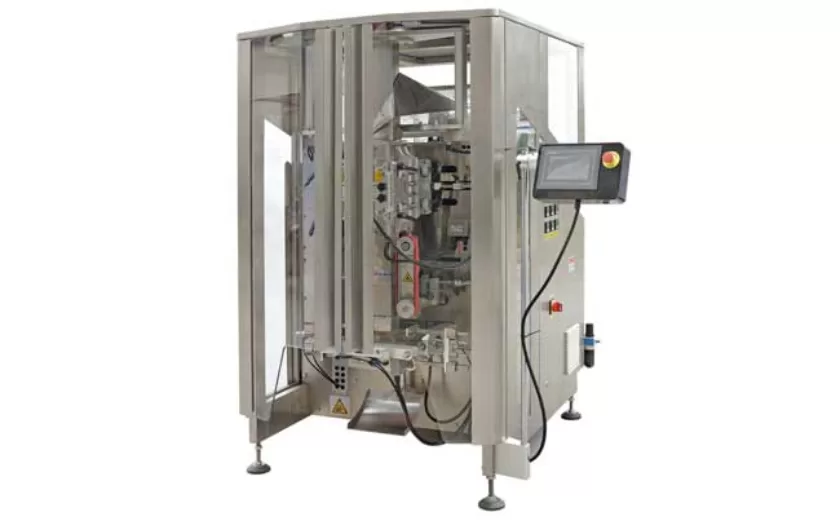
– Components and Functionality: Start by providing an overview of the machine’s components, including the hopper, feeding mechanism, filling nozzles, and control panel. Explain how each component contributes to the filling process.
– Setup and Calibration: Guide staff through the machine setup process, including loading the hopper with pouches and setting the filling parameters. Emphasize the importance of accurate calibration for consistent product dosage.
Operation Procedures
– Feeding and Positioning: Demonstrate the proper technique for feeding pouches into the machine and guiding them into position for filling. Highlight the need for proper alignment and spacing to avoid spills or incorrect filling.
– Filling Process: Explain the filling process, including the duration, speed, and pressure settings. Provide detailed instructions on how to monitor the filling process and make adjustments as needed.
– Cleanup and Maintenance: Instruct staff on the proper cleanup and maintenance procedures for the machine. Emphasize the importance of regular cleaning to prevent contamination and ensure smooth operation.
Troubleshooting and Problem-Solving
– Common Errors and Causes: Discuss common errors that staff may encounter during operation, such as leaks, overfilling, or underfilling. Identify potential causes and provide troubleshooting tips.
– Critical Parameters: Highlight critical parameters that require close attention, such as temperature, pressure, and fill volume. Explain how to identify deviations from these parameters and take appropriate corrective actions.
Competence Verification and Feedback
– Assessments and Tests: Conduct regular assessments to evaluate staff competence on the machine. Use practical exercises and written exams to test their knowledge and skills.
– Performance Feedback: Provide constructive feedback on staff performance, identifying areas for improvement and recognizing excellence. Encourage open communication to address any concerns or suggestions.
Continuous Improvement
– Training Updates: Regularly review and update training materials to reflect changes in technology or procedures.
– Best Practices Sharing: Facilitate knowledge sharing among staff members to encourage continuous improvement and innovation.
– Performance Monitoring: Track staff performance and identify areas where additional training or support is required.


-
VFFS Equipment: The Ultimate Guide to Vertical Form Fill Seal Technology
13-03-2026 -
The Essential Guide to Weight Packing Machines for Precision Weighing
12-03-2026 -
Power Packing Machine: The Ultimate Guide to Heavy-Duty Packaging Efficiency
11-03-2026 -
Weigher Packing Machine: The Definitive Guide to Precision Weighing & Packaging
10-03-2026 -
Auger Type Powder Filling Machine: The Ultimate Guide to Precision Packaging
09-03-2026 -
Advanced Packing Solutions: Snacks, Sugar, and Frozen Food Machines
29-10-2025 -
Efficient and Reliable Solutions for Salt, Nuts, and Frozen Dumplings Packing
29-10-2025 -
High-Performance Biscuits, Lollipop, and Ketchup Packing Machines for Modern Food Production
29-10-2025 -
Efficient Liquid Filling and Packing Machines for Modern Production
23-10-2025 -
Reliable Granule Packaging Machines for Efficient Production
23-10-2025
