
How to Train Staff on Efficient Operation of Tomato Paste Packaging Equipment
Tomato paste is a versatile and widely used ingredient in various cuisines. Efficient packaging is crucial to maintain its quality and extend its shelf life. Training staff on the proper operation of tomato paste packaging equipment ensures optimal performance, minimizes product loss, and maximizes productivity.
Step 1: Familiarization and Safety Precautions
Begin by introducing staff to the equipment, its components, and safety protocols. Provide hands-on demonstrations to familiarize them with the operation sequence, controls, and potential hazards. Emphasize the importance of wearing appropriate personal protective equipment and following safety guidelines.
Step 2: Equipment Calibration and Maintenance
Train staff on regular calibration and maintenance procedures to ensure the equipment functions optimally. Explain the importance of checking and adjusting sensors, cleaning and lubricating moving parts, and detecting any potential issues early on. Establish a maintenance schedule and assign responsibilities for daily, weekly, and monthly tasks.
Step 3: Product Handling and Process Flow
Provide detailed instructions on proper product handling, including loading and unloading containers, ensuring product temperature control, and minimizing product spillage. Train staff on the process flow, from filling to sealing and labeling, explaining the optimal settings and troubleshooting techniques for each stage.
Step 4: Quality Control and Inspection
Training should include rigorous quality control procedures. Teach staff to visually inspect containers for defects, check seal integrity, and monitor product characteristics such as color, texture, and consistency. Empower them to make necessary adjustments or report any deviations from specifications.
Step 5: Process Optimization and Troubleshooting
Train staff on techniques to optimize packaging efficiency. This includes proper filling techniques to minimize product loss, troubleshooting common issues such as leaks or blockages, and identifying areas for improvement in speed and accuracy. Encourage staff to share their experiences and brainstorm solutions for potential challenges.
Step 6: Documentation and Records
Ensure staff understands the importance of maintaining accurate records. Train them on documenting maintenance activities, quality control checks, and any deviations or incidents. This documentation serves as a valuable resource for tracking performance, identifying trends, and implementing improvements over time.
Step 7: Continuous Improvement
Training should be viewed as an ongoing process. Regularly review the efficiency of packaging operations and identify areas for optimization. Engage staff in continuous improvement initiatives, encouraging them to suggest ideas for enhancing productivity, reducing waste, and increasing overall equipment effectiveness.


-
VFFS Equipment: The Ultimate Guide to Vertical Form Fill Seal Technology
13-03-2026 -
The Essential Guide to Weight Packing Machines for Precision Weighing
12-03-2026 -
Power Packing Machine: The Ultimate Guide to Heavy-Duty Packaging Efficiency
11-03-2026 -
Weigher Packing Machine: The Definitive Guide to Precision Weighing & Packaging
10-03-2026 -
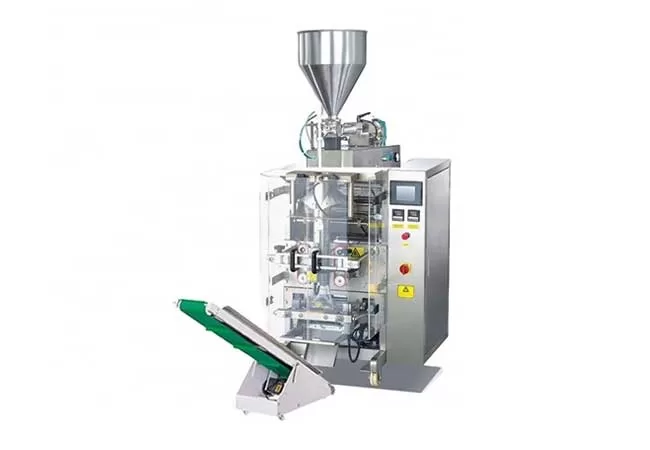
Auger Type Powder Filling Machine: The Ultimate Guide to Precision Packaging
09-03-2026 -
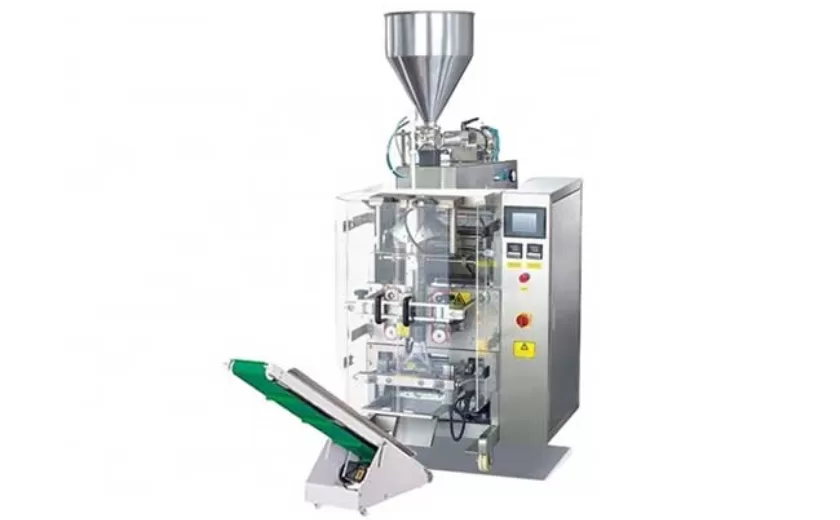
Advanced Packing Solutions: Snacks, Sugar, and Frozen Food Machines
29-10-2025 -
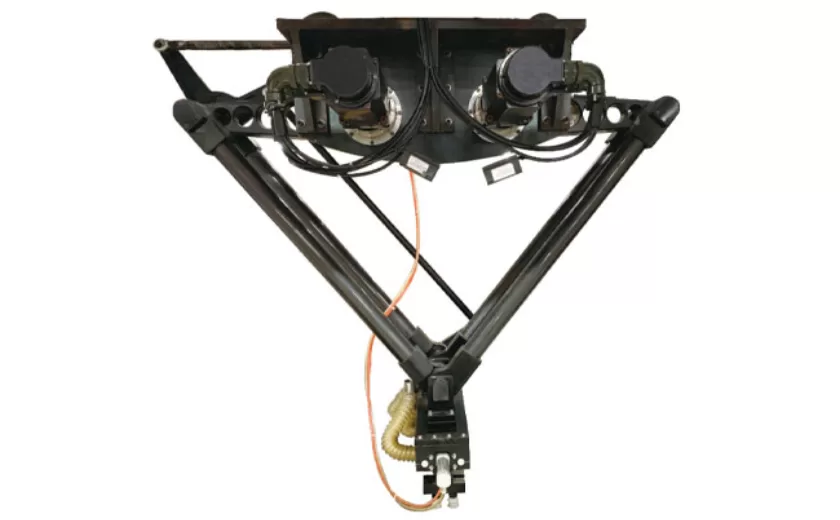
Efficient and Reliable Solutions for Salt, Nuts, and Frozen Dumplings Packing
29-10-2025 -
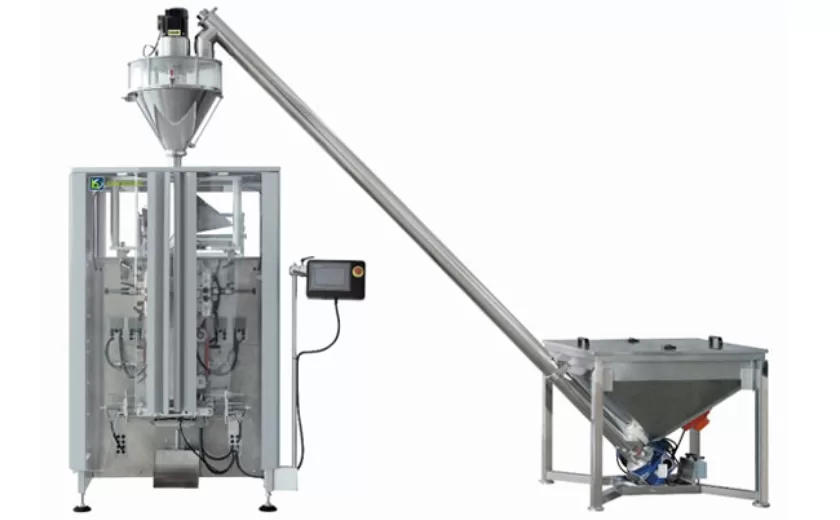
High-Performance Biscuits, Lollipop, and Ketchup Packing Machines for Modern Food Production
29-10-2025 -
Efficient Liquid Filling and Packing Machines for Modern Production
23-10-2025 -
Reliable Granule Packaging Machines for Efficient Production
23-10-2025
