
How to Train Employees on Operating Detergent Packaging Machines
How to Train Employees on Operating Detergent Packaging Machines: A Comprehensive Guide
Introduction
In the fast-paced world of manufacturing, precision and efficiency are paramount. For companies producing detergent, the ability to package their products quickly and accurately is essential to maintain competitiveness. This article will provide a comprehensive guide on how to train employees on operating detergent packaging machines, ensuring that they are equipped with the skills and knowledge to maximize productivity.
Module 1: Machine Familiarization
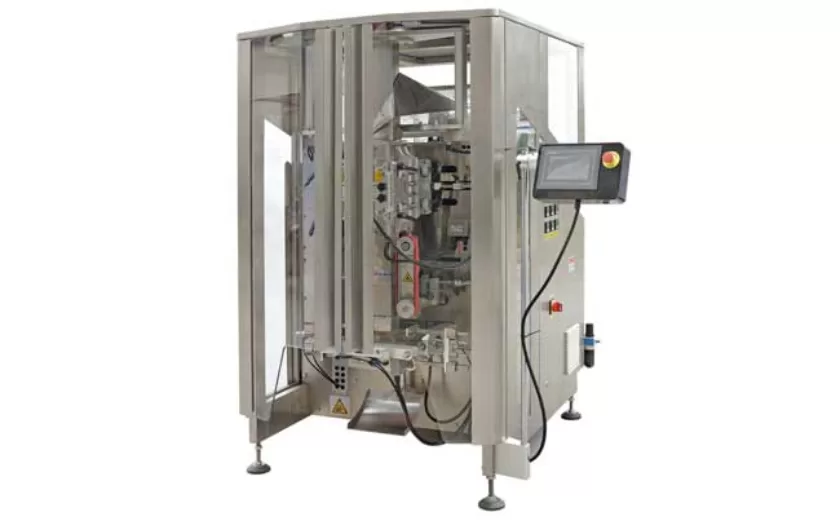
Visual inspection: Introduce the machine’s components, including the conveyor system, filling nozzles, and labeling unit.
Component function: Explain the purpose and operation of each component, emphasizing their importance in the packaging process.
Safety protocols: Discuss operational safety procedures, including proper clothing, machine safeguards, and emergency protocols.
Module 2: Operating Procedures
Machine startup and shutdown: Guide employees through the proper sequence for starting and stopping the machine.
Loading and feeding: Demonstrate the correct methods for loading detergent into the hopper and feeding it into the filling nozzles.
Filling parameters: Adjust filling settings based on the detergent’s viscosity, density, and packaging size.
Labelling: Explain the process of attaching labels to the packages, ensuring accuracy and compliance with industry regulations.
Module 3: Troubleshooting
Common malfunctions: Identify potential machine malfunctions, such as blockages, leaks, and sensor failures.
Diagnostic techniques: Teach employees how to troubleshoot and resolve common issues, minimizing downtime.
Maintenance: Provide an overview of scheduled maintenance procedures, including cleaning, lubrication, and equipment calibration.
Module 4: Quality Control
Package inspection: Demonstrate how to inspect packages for accuracy, completeness, and seal integrity.
Quality standards: Set clear quality expectations and provide tools for employees to monitor and maintain product quality.
Corrective actions: Guide employees on how to identify and correct any deviations from quality standards.
Training Assessment and Evaluation
Practical exercises: Allow employees to operate the machine under supervision, providing guidance and feedback.
Written exams: Test employees’ theoretical understanding of machine operation and quality control procedures.
Observations: Supervise employees during actual production runs to assess their skills and adherence to training protocols.
By implementing this comprehensive training program, companies can empower their employees to operate detergent packaging machines with precision and efficiency. By equipping them with the necessary knowledge and skills, organizations can maximize productivity, reduce waste, and maintain a competitive edge in the detergent manufacturing industry. A well-trained workforce is essential for achieving operational excellence and delivering high-quality products to consumers.


-
VFFS Equipment: The Ultimate Guide to Vertical Form Fill Seal Technology
13-03-2026 -
The Essential Guide to Weight Packing Machines for Precision Weighing
12-03-2026 -
Power Packing Machine: The Ultimate Guide to Heavy-Duty Packaging Efficiency
11-03-2026 -
Weigher Packing Machine: The Definitive Guide to Precision Weighing & Packaging
10-03-2026 -
Auger Type Powder Filling Machine: The Ultimate Guide to Precision Packaging
09-03-2026 -
Advanced Packing Solutions: Snacks, Sugar, and Frozen Food Machines
29-10-2025 -
Efficient and Reliable Solutions for Salt, Nuts, and Frozen Dumplings Packing
29-10-2025 -
High-Performance Biscuits, Lollipop, and Ketchup Packing Machines for Modern Food Production
29-10-2025 -
Efficient Liquid Filling and Packing Machines for Modern Production
23-10-2025 -
Reliable Granule Packaging Machines for Efficient Production
23-10-2025
