
How to Optimize Your Soap Powder Packing Process for Efficiency
In the highly competitive soap powder industry, optimizing packing processes is crucial for maintaining profitability and meeting customer demands. Inefficient packing processes can lead to increased labor costs, product damage, and reduced customer satisfaction. This comprehensive guide provides a step-by-step approach to optimize your soap powder packing process, maximizing efficiency and minimizing waste.
1. Plan and Design
Evaluate Your Current Process: Analyze existing packing operations, identify bottlenecks, and determine areas for potential improvement.
Define Objectives: Clearly establish specific goals for optimizing the process, such as reducing labor requirements, increasing throughput, or improving product quality.
Layout and Workflow: Optimize the physical layout of the packing area, ensuring a smooth flow of materials and eliminating unnecessary steps.
2. Equipment Selection and Integration
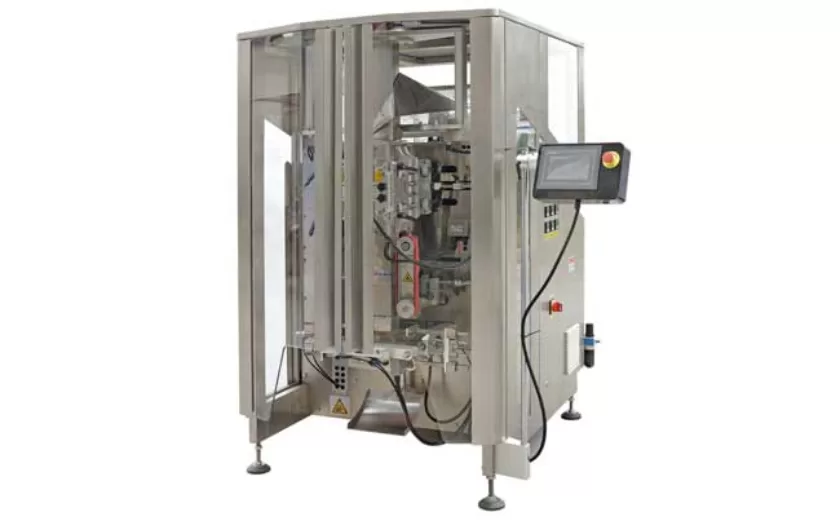
Choose Efficient Machines: Invest in high-quality packing machines that are designed for high-speed operations and precise filling.
Automate Processes: Consider automation technologies, such as automatic baggers, palletizers, and conveyors, to reduce manual labor and increase productivity.
Integrate Systems: Ensure seamless integration between machines and software systems to minimize downtime and improve data flow.
3. Process Optimization
Optimize Bagging Parameters: Determine the optimal settings for filling machines, including bag size, weight tolerance, and sealing speed.
Maximize Pallet Utilization: Optimize pallet patterns and configurations to maximize space utilization and minimize voids.
Reduce Material Handling: Implement ergonomic principles and material handling equipment to reduce worker fatigue and prevent injuries.
4. Quality Control and Inspection
Establish Quality Standards: Define clear quality standards for soap powder and packaging materials to ensure product integrity.
Implement Inline Inspection: Use in-process inspection systems to monitor product quality, weight, and packaging accuracy in real-time.
Conduct Regular Audits: Perform regular audits to assess process performance, identify deviations, and make necessary adjustments.
5. Training and Maintenance
Train Operators: Provide comprehensive training to ensure that operators are skilled in operating and maintaining packing equipment.
Establish Maintenance Schedule: Implement a preventative maintenance schedule to minimize breakdowns and ensure optimal machine performance.
Monitor Performance: Track key performance indicators, such as throughput, downtime, and product quality, to identify areas for improvement and make informed decisions.
By following these steps, you can optimize your soap powder packing process for efficiency, reducing costs, increasing productivity, and enhancing customer satisfaction. Ongoing evaluation, data analysis, and continuous improvement efforts are essential to maintain a lean and efficient packing operation.


-
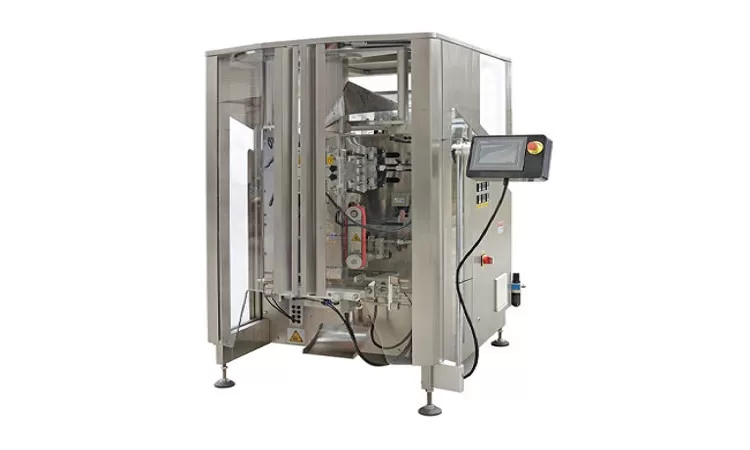
VFFS Equipment: The Ultimate Guide to Vertical Form Fill Seal Technology
13-03-2026 -
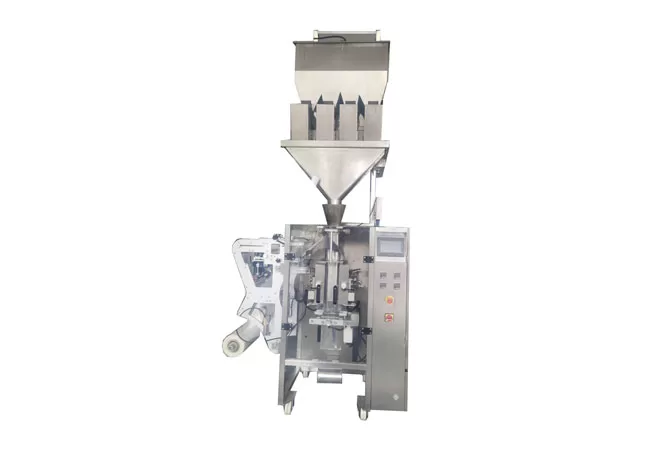
The Essential Guide to Weight Packing Machines for Precision Weighing
12-03-2026 -
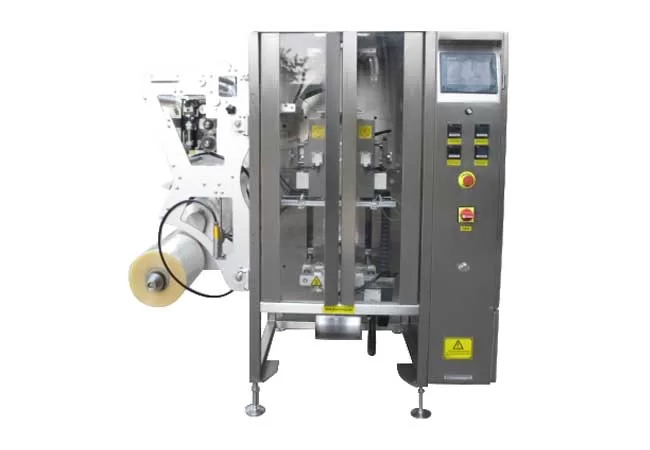
Power Packing Machine: The Ultimate Guide to Heavy-Duty Packaging Efficiency
11-03-2026 -
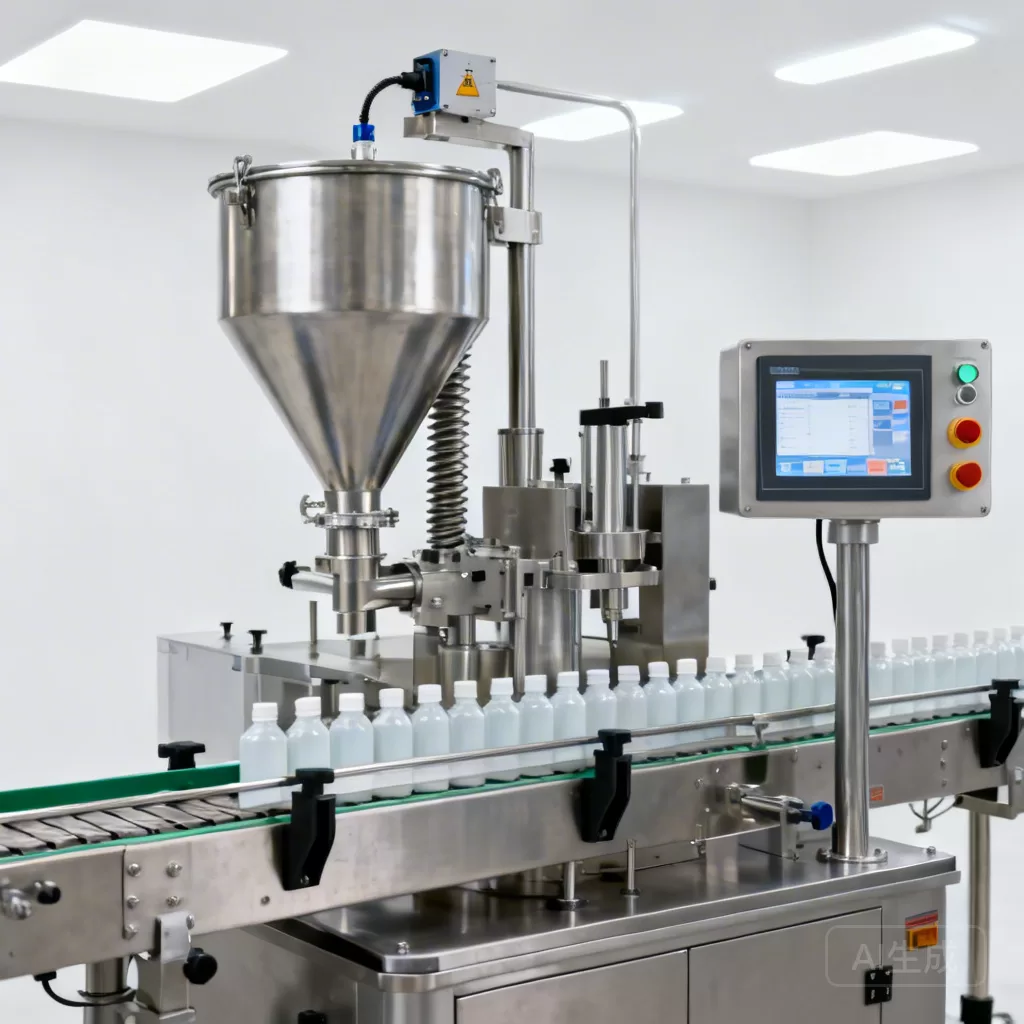
Weigher Packing Machine: The Definitive Guide to Precision Weighing & Packaging
10-03-2026 -
Auger Type Powder Filling Machine: The Ultimate Guide to Precision Packaging
09-03-2026 -
Advanced Packing Solutions: Snacks, Sugar, and Frozen Food Machines
29-10-2025 -
Efficient and Reliable Solutions for Salt, Nuts, and Frozen Dumplings Packing
29-10-2025 -
High-Performance Biscuits, Lollipop, and Ketchup Packing Machines for Modern Food Production
29-10-2025 -
Efficient Liquid Filling and Packing Machines for Modern Production
23-10-2025 -
Reliable Granule Packaging Machines for Efficient Production
23-10-2025
