
How to Optimize Your Liquid Packaging Process
In today’s competitive market, optimizing your liquid packaging process is crucial for businesses to ensure efficiency, reduce waste, and enhance consumer satisfaction. This article will guide you through a comprehensive approach to optimizing your liquid packaging process, covering various aspects from equipment selection to quality control.
Equipment Selection
Choosing the Right Filling Machine: Select a filling machine that aligns with your product’s viscosity, packaging type, and desired filling rate. Consider factors such as accuracy, speed, and maintenance requirements.
Appropriate Capping Machine: Choose a capping machine that effectively seals containers, preventing leaks and ensuring product integrity. Consider different capping methods, such as rotary, inline, or chuck capping, based on your production needs.
Packaging Materials
Selecting the Ideal Packaging: Determine the most suitable packaging material (e.g., glass, plastic, or metal) based on product compatibility, environmental impact, and cost considerations.
Optimizing Container Shape: Choose container shapes that maximize filling efficiency, minimize air pockets, and enhance shelf stability.
Process Control
Precise Filling System: Implement an accurate filling system to ensure consistent product volume in each container. Consider using volumetric, gravimetric, or mass flow meters to achieve the desired precision.
Effective Capping Procedure: Establish a robust capping procedure to prevent leaks and ensure airtight seals. Monitor capping torque and perform regular maintenance to optimize capping effectiveness.
Quality Control
Rigorous Inspections: Implement thorough inspections throughout the packaging process to identify and remove any defective containers. Utilize automated inspection systems or manual checks to ensure product quality.
Sample Testing: Conduct regular product and packaging samples to verify filling accuracy, capping integrity, and overall product quality. This helps identify potential issues early and allows for timely corrective actions.
Sanitation and Maintenance
Hygienic Procedures: Establish a comprehensive sanitation program to prevent product contamination. Implement cleaning and disinfection protocols for equipment, containers, and production areas.
Preventive Maintenance: Perform regular maintenance on filling and capping machines to ensure optimal performance and prevent breakdowns. Establish a preventive maintenance schedule to identify and address potential issues proactively.
Sustainability Considerations
Environmentally Friendly Packaging: Choose packaging materials and processes that minimize environmental impact. Consider using recyclable or biodegradable materials to reduce waste and promote sustainability.
Efficient Energy Consumption: Assess energy consumption of filling and capping equipment. Implement energy-saving measures, such as variable speed drives and energy-efficient lighting, to reduce operating costs and promote environmental responsibility.
By implementing the optimizations outlined above, businesses can improve the efficiency, quality, and sustainability of their liquid packaging processes. This leads to increased profitability, enhanced customer satisfaction, and a competitive edge in the market.


-
VFFS Equipment: The Ultimate Guide to Vertical Form Fill Seal Technology
13-03-2026 -
The Essential Guide to Weight Packing Machines for Precision Weighing
12-03-2026 -
Power Packing Machine: The Ultimate Guide to Heavy-Duty Packaging Efficiency
11-03-2026 -
Weigher Packing Machine: The Definitive Guide to Precision Weighing & Packaging
10-03-2026 -
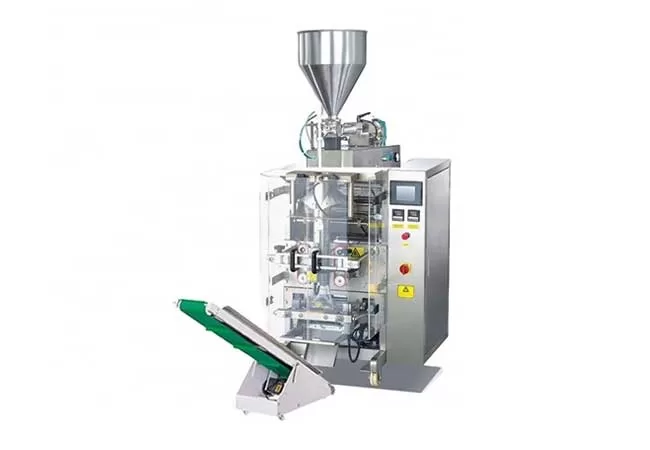
Auger Type Powder Filling Machine: The Ultimate Guide to Precision Packaging
09-03-2026 -
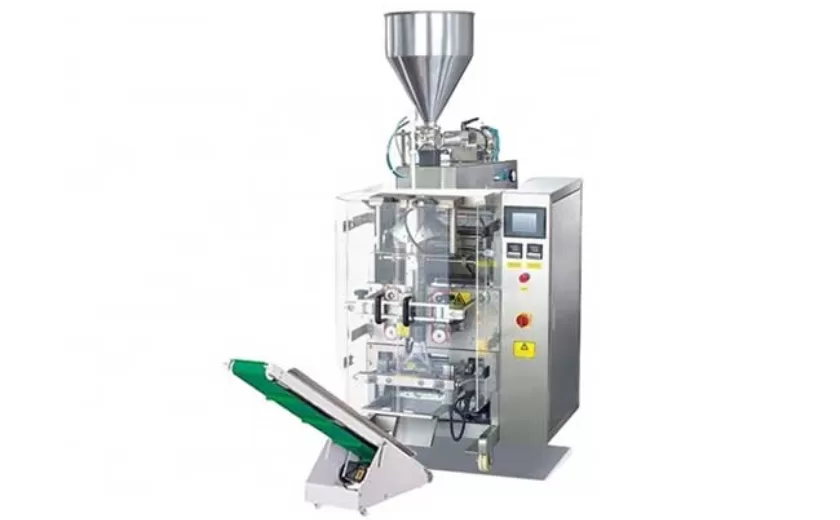
Advanced Packing Solutions: Snacks, Sugar, and Frozen Food Machines
29-10-2025 -
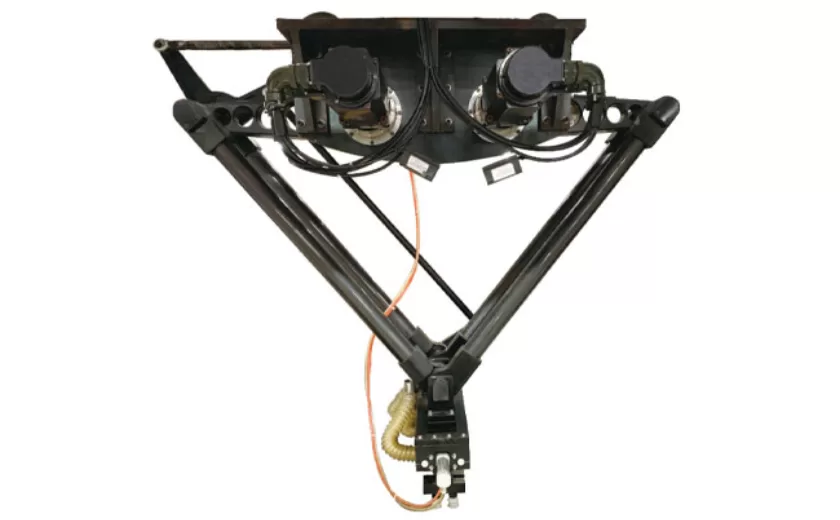
Efficient and Reliable Solutions for Salt, Nuts, and Frozen Dumplings Packing
29-10-2025 -
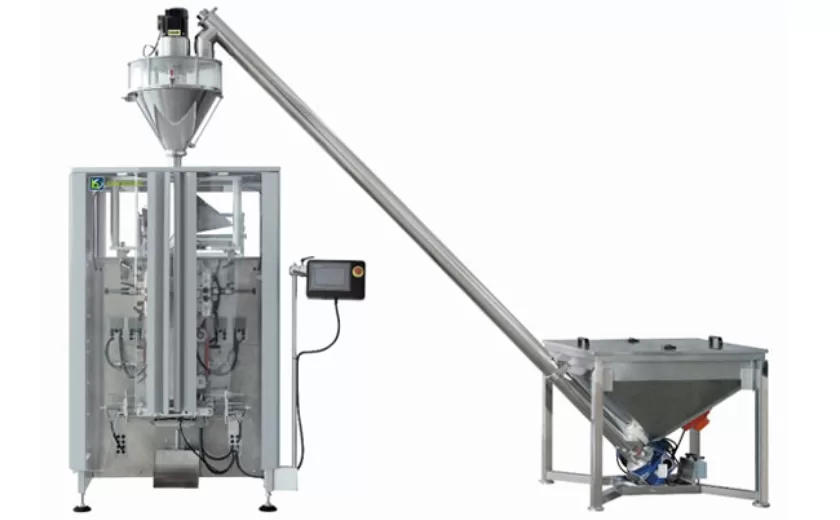
High-Performance Biscuits, Lollipop, and Ketchup Packing Machines for Modern Food Production
29-10-2025 -
Efficient Liquid Filling and Packing Machines for Modern Production
23-10-2025 -
Reliable Granule Packaging Machines for Efficient Production
23-10-2025
