
How to Operate a Weight and Packing Machine Effectively
Automated weight and packing machines play a crucial role in modern manufacturing and packaging industries, ensuring accuracy, efficiency, and consistency in product filling and packaging. This comprehensive guide provides a step-by-step approach to effectively operating a weight and packing machine, maximizing its performance and achieving optimal results.
Machine Preparation
1. Installation and Setup:
– Install the machine securely on a level surface, ensuring proper ventilation and access for maintenance.
– Connect the machine to the power supply and compressed air, following manufacturer’s guidelines.
– Calibrate the scale and other measuring devices to ensure accurate weight readings.
2. Product Setup:
– Load the bulk product into the hopper or feeder.
– Adjust the machine settings for the desired product size, weight, and packaging type.
– Verify that the machine is set up correctly before starting operation.
Machine Operation
3. Weighing and Packing:
– Start the machine and feed the product into the weighing section.
– The machine will automatically weigh and dispense the desired amount of product into the designated packaging.
– Adjust the weighing parameters as needed to achieve consistent and accurate weights.
4. Packaging and Sealing:
– The machine will fold, form, or seal the packaging material around the weighed product.
– Ensure that the packaging material is compatible with the product and the machine.
– Monitor the packaging process to prevent tearing, misalignment, or other defects.
5. Discharge and Conveying:
– The packaged product will be discharged from the machine onto a conveyor or other designated area.
– Adjust the discharge point and conveyor speed to ensure smooth and efficient product transfer.
Maintenance and Troubleshooting
6. Regular Maintenance:
– Clean and inspect the machine regularly, following manufacturer’s instructions.
– Lubricate moving parts as required to maintain optimal performance.
– Replace worn or damaged parts promptly to avoid downtime and malfunctions.
7. Troubleshooting:
– Identify and address common issues such as weight inaccuracies, packaging defects, or machine breakdowns.
– Consult the user manual or contact the manufacturer for technical support.
– Resolve any issues quickly to minimize production interruptions.


-
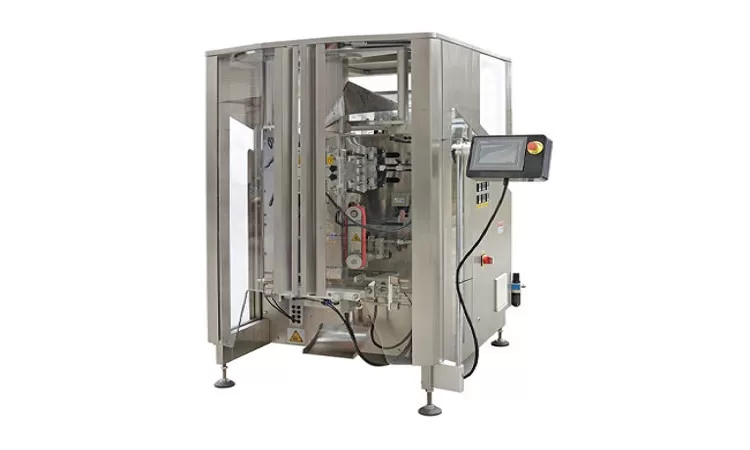
VFFS Equipment: The Ultimate Guide to Vertical Form Fill Seal Technology
13-03-2026 -
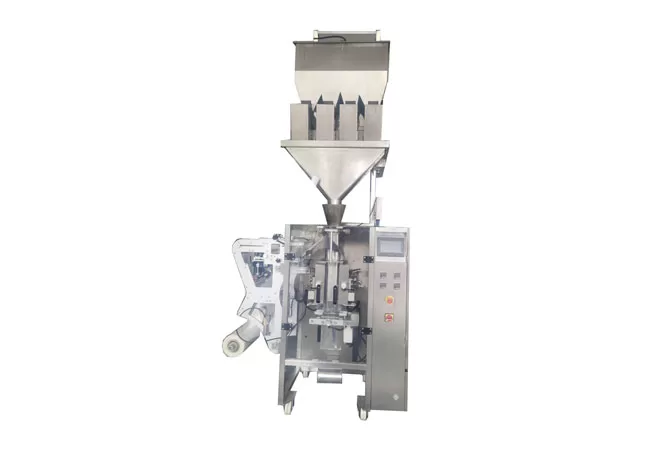
The Essential Guide to Weight Packing Machines for Precision Weighing
12-03-2026 -
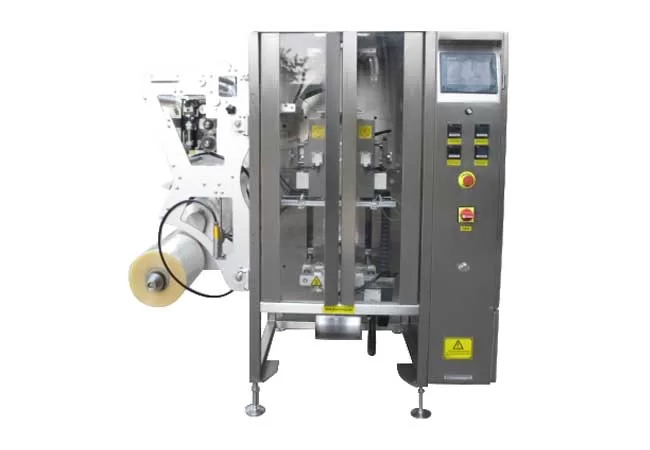
Power Packing Machine: The Ultimate Guide to Heavy-Duty Packaging Efficiency
11-03-2026 -
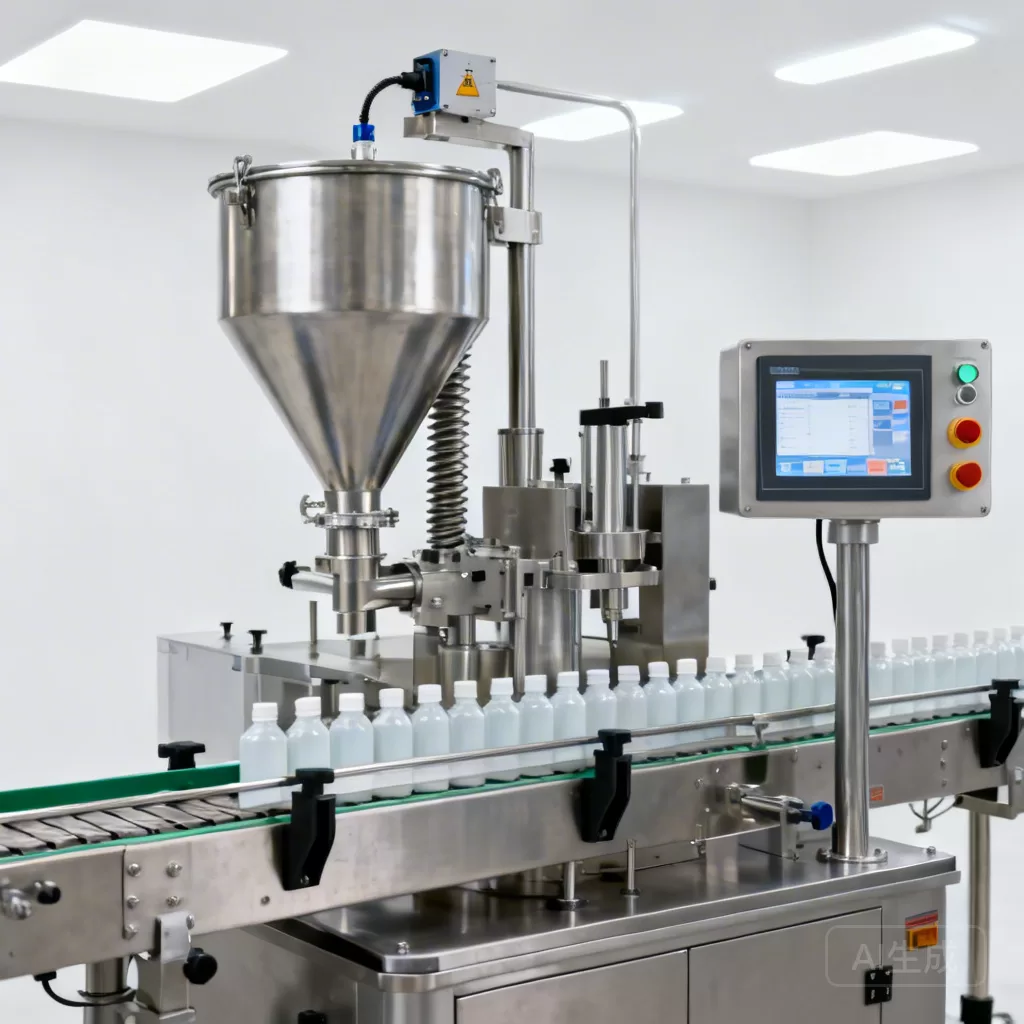
Weigher Packing Machine: The Definitive Guide to Precision Weighing & Packaging
10-03-2026 -
Auger Type Powder Filling Machine: The Ultimate Guide to Precision Packaging
09-03-2026 -
Advanced Packing Solutions: Snacks, Sugar, and Frozen Food Machines
29-10-2025 -
Efficient and Reliable Solutions for Salt, Nuts, and Frozen Dumplings Packing
29-10-2025 -
High-Performance Biscuits, Lollipop, and Ketchup Packing Machines for Modern Food Production
29-10-2025 -
Efficient Liquid Filling and Packing Machines for Modern Production
23-10-2025 -
Reliable Granule Packaging Machines for Efficient Production
23-10-2025
