
How to Integrate a Water Sachet Packing Machine into Your Production Line
In the beverage industry, seamless integration of a water sachet packing machine into the production line is crucial to optimize efficiency and profitability. To achieve a successful integration, there are several key aspects to consider and implement.
Step 1: Determine Your Production Requirements
The capacity, speed, and output of the packing machine should align with your production targets. Evaluate your demand and peak production periods to ensure the machine can meet your current and future needs. Consider factors such as the desired sachet size, fill weight, and the required production speed.
Step 2: Site Planning and Preparation
Select a suitable location within the production line for the packing machine. Ensure there is adequate space for operation, maintenance, and access to utilities. Prepare the foundation or platform to meet the machine’s specifications and provide a stable base for operation.
Step 3: Utility Connections
The packing machine requires reliable access to utilities such as electricity, compressed air, and water. Confirm the specifications of the machine and ensure that the necessary connections are available or can be installed. Provide dedicated lines to minimize interference with other equipment and ensure uninterrupted operation.
Step 4: Integration with Upstream Equipment
The packing machine must be seamlessly integrated with upstream equipment, such as a water source and filling system. Ensure that the equipment is compatible and aligns with the speed and fill weight requirements. Proper alignment and adjustment are essential to minimize product loss and ensure efficient operation.
Step 5: Integration with Downstream Equipment
The packed sachets need to be transported and handled appropriately. Integrate the packing machine with downstream equipment such as conveyors, labelers, or packaging lines. Ensure that the equipment is synchronized and can accommodate the output of the packing machine without bottlenecks or interruptions.
Step 6: Operator Training and Maintenance
Proper training of operators is essential for safe and efficient operation of the packing machine. Provide comprehensive training on machine operation, maintenance, and troubleshooting. Establish a preventive maintenance schedule to ensure optimal performance and extend the machine’s lifespan.
Step 7: Quality Control and Monitoring
Implement a quality control system to monitor the performance of the packing machine and ensure consistent product quality. Regularly inspect sachets for sealing integrity, fill weight accuracy, and other specifications. Use monitoring equipment to track performance parameters and identify any deviations from the desired standards.
Integrating a water sachet packing machine into the production line requires careful planning, preparation, and execution. By following the steps outlined above, businesses can ensure a seamless and efficient integration that optimizes productivity, product quality, and overall profitability.


-
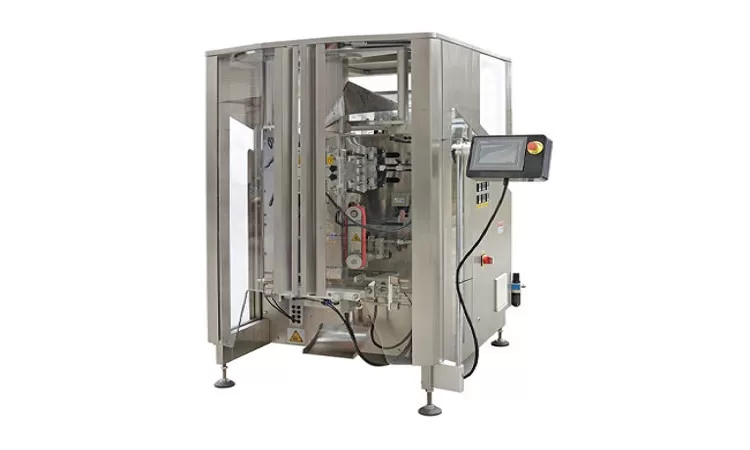
VFFS Equipment: The Ultimate Guide to Vertical Form Fill Seal Technology
13-03-2026 -
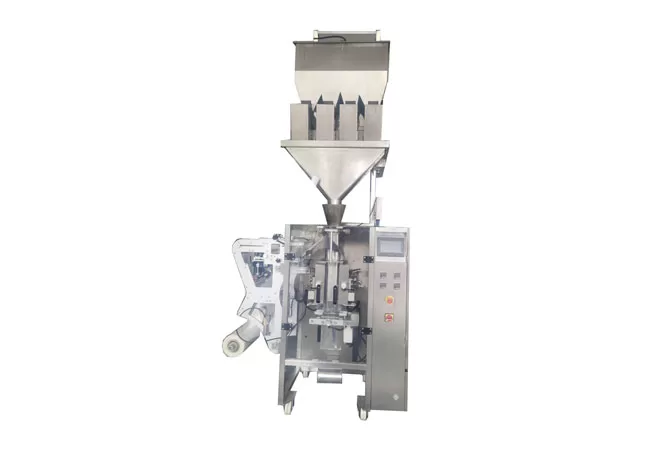
The Essential Guide to Weight Packing Machines for Precision Weighing
12-03-2026 -
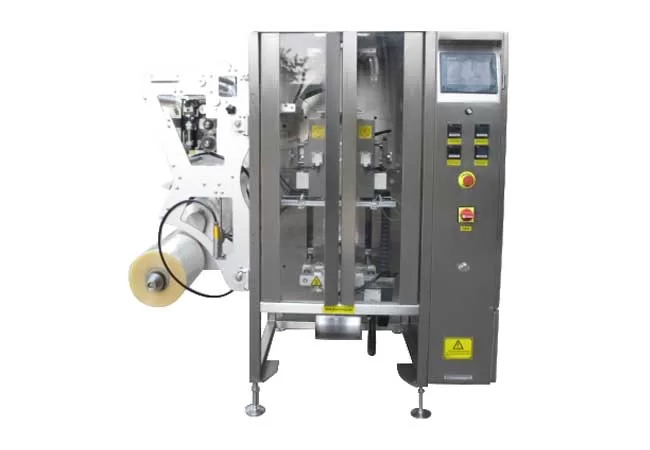
Power Packing Machine: The Ultimate Guide to Heavy-Duty Packaging Efficiency
11-03-2026 -
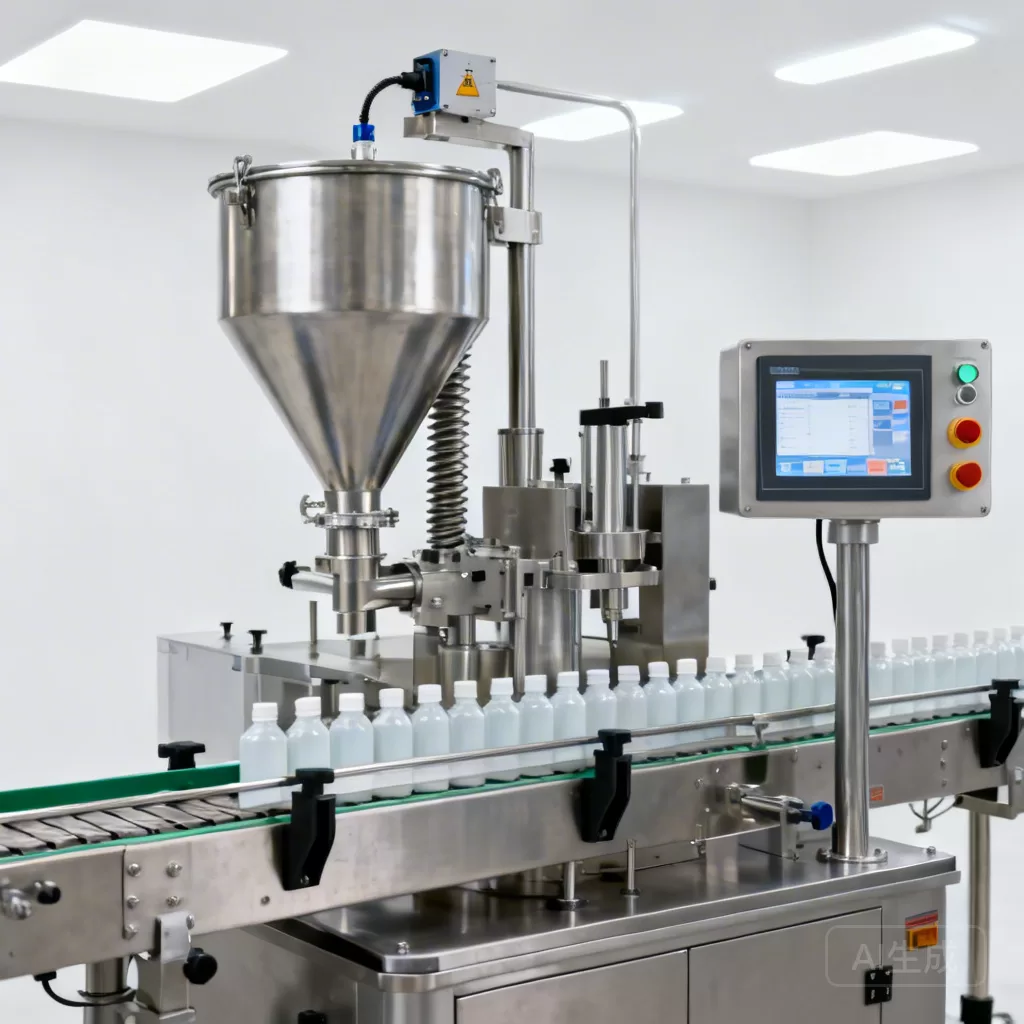
Weigher Packing Machine: The Definitive Guide to Precision Weighing & Packaging
10-03-2026 -
Auger Type Powder Filling Machine: The Ultimate Guide to Precision Packaging
09-03-2026 -
Advanced Packing Solutions: Snacks, Sugar, and Frozen Food Machines
29-10-2025 -
Efficient and Reliable Solutions for Salt, Nuts, and Frozen Dumplings Packing
29-10-2025 -
High-Performance Biscuits, Lollipop, and Ketchup Packing Machines for Modern Food Production
29-10-2025 -
Efficient Liquid Filling and Packing Machines for Modern Production
23-10-2025 -
Reliable Granule Packaging Machines for Efficient Production
23-10-2025
