
How to Implement a Successful Pouch Filling Sealing Line
In the fast-paced world of manufacturing, efficiency and precision are paramount. Pouch filling and sealing lines play a crucial role in streamlining the packaging process, ensuring product quality, and maximizing profitability. Implementing a successful pouch filling sealing line requires careful planning, meticulous execution, and continuous optimization. This comprehensive guide provides a roadmap to help you navigate the complexities of implementing and managing an effective pouch filling sealing line.
Line Layout and Equipment Selection
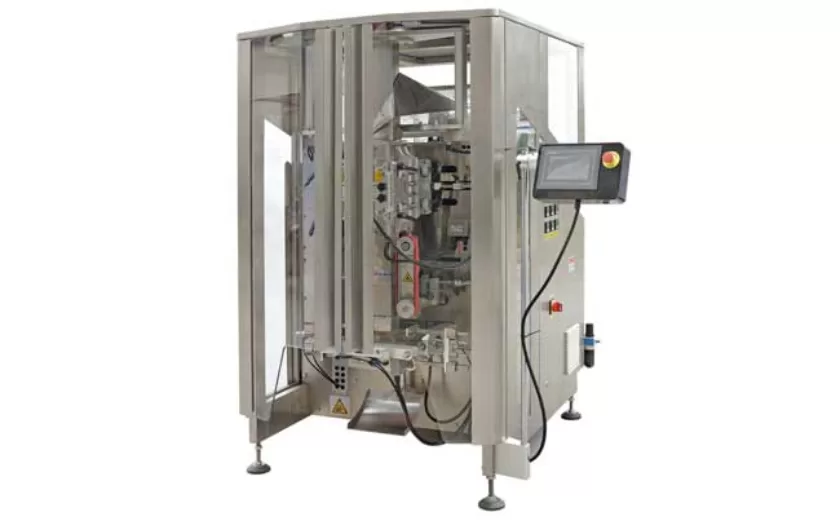
The first step to a successful pouch filling sealing line is a well-planned layout. Consider the flow of pouches and materials, optimizing efficiency and minimizing bottlenecks. Select high-quality equipment that meets your specific production requirements and integrates seamlessly with your existing infrastructure. Key components include pouch feeders, filling systems, sealing machines, and quality control devices.
Pouch Feeding and Orientation
Accurate pouch feeding is essential for precise filling and sealing. Invest in reliable pouch feeders that gently and consistently feed pouches into the filling line, ensuring proper orientation and alignment. Optical sensors can verify pouch presence and correct any misalignments, minimizing product waste and downtime.
Filling Systems
The filling system is the heart of the pouch filling sealing line. Choose a system that can accurately dispense the desired volume of product into each pouch. Volumetric fillers are suitable for liquids and granular products, while auger fillers handle powders efficiently. Consider the viscosity and flow characteristics of your product to select the optimal filling method.
Sealing Technology
The sealing process ensures pouch integrity and product freshness. Various sealing technologies are available, including heat sealing, ultrasonic sealing, and radio frequency (RF) sealing. Choose a sealing method that aligns with your specific packaging requirements and material compatibility. Reliable sealing machines are crucial to maintain consistent seal strength and prevent leaks or contamination.
Quality Control and Inspection
Maintaining product quality is non-negotiable. Implement a robust quality control system to inspect pouches at various stages of the filling and sealing process. Metal detectors, checkweighers, and vision systems can detect foreign objects, ensure accurate fill levels, and verify seal integrity. Continuous monitoring and data analysis help identify potential issues and optimize line performance.
Maintenance and Training
Regular maintenance is essential to extend the lifespan of equipment and minimize downtime. Establish a preventative maintenance schedule and train personnel on proper equipment care and troubleshooting procedures. Comprehensive training also ensures operators are proficient in line operation and can quickly respond to any emergencies.
Continuous Optimization
A successful pouch filling sealing line is not a static entity. Continuously monitor line performance and identify areas for improvement. Utilize data analytics to analyze production data and make informed decisions. Embrace automation and emerging technologies to increase efficiency, reduce waste, and enhance overall profitability.
Implementing a successful pouch filling sealing line requires a multifaceted approach that encompasses equipment selection, process optimization, quality control, and continuous improvement. By meticulously following the steps outlined in this guide, you can establish a line that meets your specific production needs, delivers consistent high-quality products, and drives profitability for your business. Remember, the journey of line optimization is an ongoing one, and with dedication and innovation, you can continuously refine and enhance your pouch filling sealing line for ongoing success.


-
VFFS Equipment: The Ultimate Guide to Vertical Form Fill Seal Technology
13-03-2026 -
The Essential Guide to Weight Packing Machines for Precision Weighing
12-03-2026 -
Power Packing Machine: The Ultimate Guide to Heavy-Duty Packaging Efficiency
11-03-2026 -
Weigher Packing Machine: The Definitive Guide to Precision Weighing & Packaging
10-03-2026 -
Auger Type Powder Filling Machine: The Ultimate Guide to Precision Packaging
09-03-2026 -
Advanced Packing Solutions: Snacks, Sugar, and Frozen Food Machines
29-10-2025 -
Efficient and Reliable Solutions for Salt, Nuts, and Frozen Dumplings Packing
29-10-2025 -
High-Performance Biscuits, Lollipop, and Ketchup Packing Machines for Modern Food Production
29-10-2025 -
Efficient Liquid Filling and Packing Machines for Modern Production
23-10-2025 -
Reliable Granule Packaging Machines for Efficient Production
23-10-2025
