
How to Ensure Safety with Detergent Packaging
Detergents are essential household cleaning agents, but they can also be hazardous if not handled properly. The chemical composition of detergents can cause skin irritation, eye damage, and even respiratory problems if inhaled. To ensure the safety of detergent users, proper packaging is crucial. This article will explore various aspects of detergent packaging to highlight how it contributes to safety.
Material Selection
The selection of packaging material is critical for detergent safety. Detergents come in various forms, including liquids, powders, and gels. The packaging must be compatible with the detergent’s chemical composition and prevent leakage or contamination. Plastic containers are commonly used for detergents due to their durability, resistance to chemical reactions, and ability to withstand transportation.
Container Design
The design of detergent containers also plays a significant role in safety. Containers should be designed to minimize accidental spills and exposure. Features like child-resistant caps and pour spouts help prevent unintentional ingestion or contact with skin. The shape and size of the container should allow for easy handling and storage to reduce the risk of drops or breakage.
Labeling and Instructions
Clear and comprehensive labeling is essential for detergent packaging safety. Labels should prominently display warnings about the product’s potential hazards, including any specific precautions or instructions for handling and storage. The label may include information about the detergent’s ingredients, first aid measures in case of contact, and proper disposal methods.
Storage and Transportation
Proper storage and transportation practices are necessary to maintain detergent safety. Detergent containers should be stored in a cool, dry place out of the reach of children and pets. During transportation, containers should be securely packed and protected from damage or puncture to prevent leakage or spills.
Educating Consumers
Consumer education is another crucial aspect of ensuring safety with detergent packaging. Manufacturers have a responsibility to provide clear and accessible information about the safe use and storage of their products. Educational campaigns can help raise awareness about the potential hazards associated with detergents and promote responsible handling practices.
Regulatory Compliance
Government regulations play a significant role in ensuring detergent packaging safety. Regulatory agencies set standards for packaging materials, labeling requirements, and transportation practices. Compliance with these regulations helps ensure that detergent products meet safety standards and are packaged in a responsible manner.
Ensuring safety with detergent packaging requires a multifaceted approach involving material selection, container design, labeling, storage, transportation, and consumer education. By implementing these measures, manufacturers and consumers can work together to minimize the risks associated with detergent use and protect themselves from potential hazards. Proper packaging is a crucial element in ensuring a safe and responsible use of detergents in homes and industries alike.


-
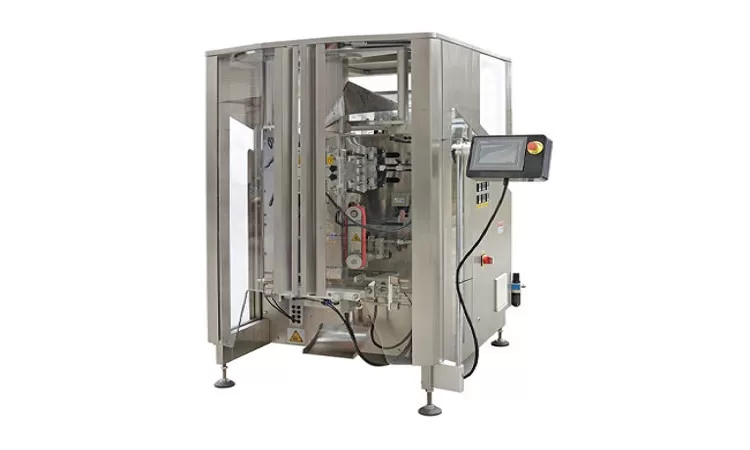
VFFS Equipment: The Ultimate Guide to Vertical Form Fill Seal Technology
13-03-2026 -
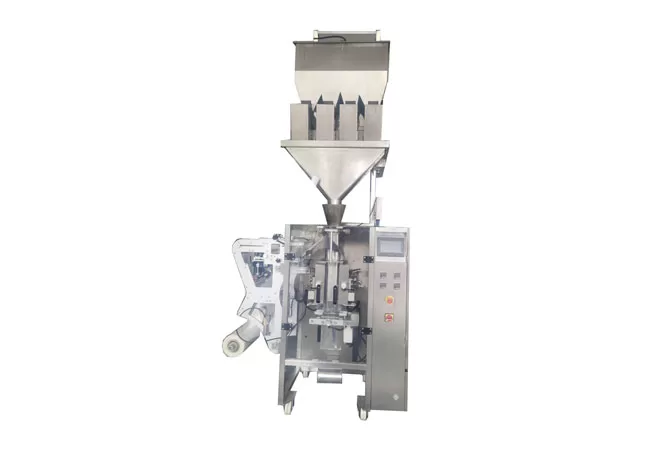
The Essential Guide to Weight Packing Machines for Precision Weighing
12-03-2026 -
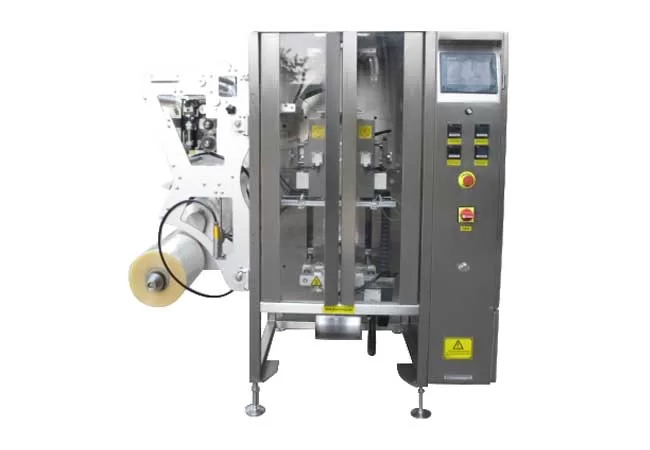
Power Packing Machine: The Ultimate Guide to Heavy-Duty Packaging Efficiency
11-03-2026 -
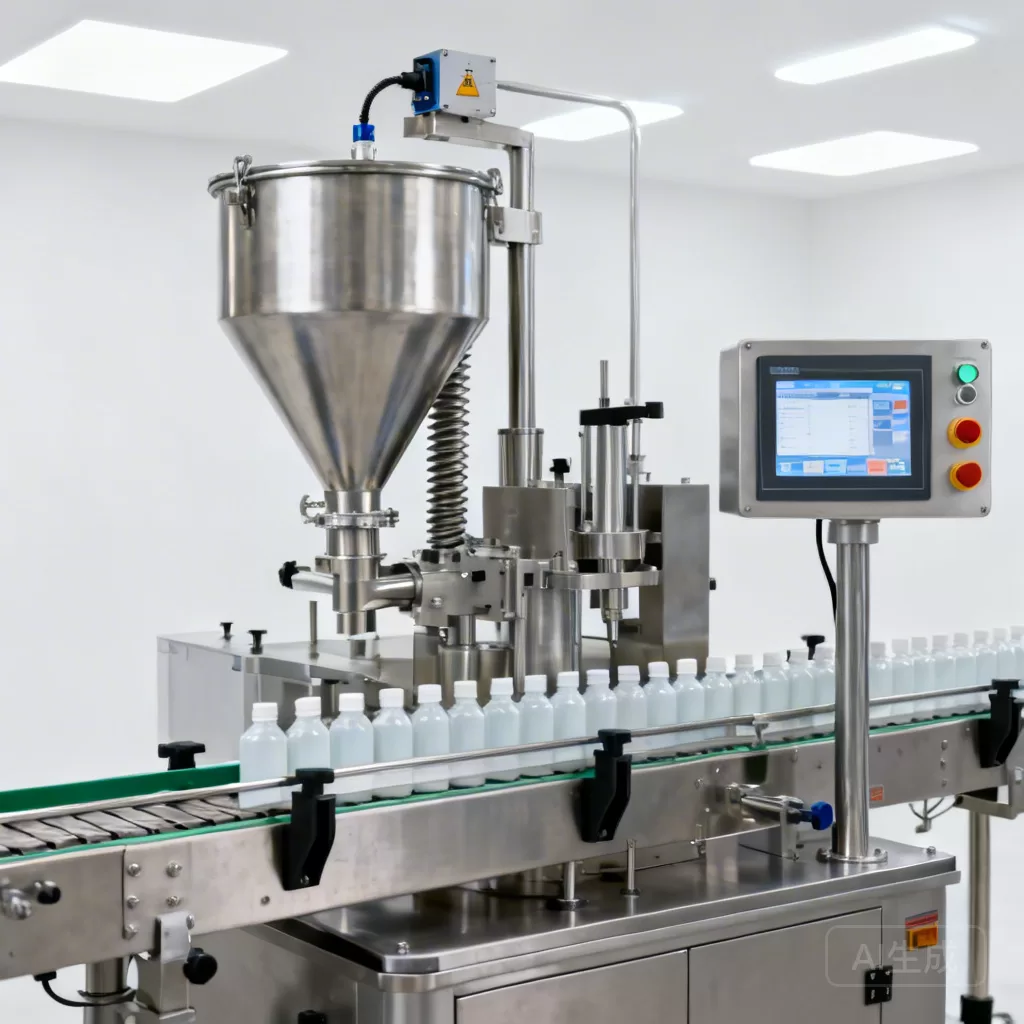
Weigher Packing Machine: The Definitive Guide to Precision Weighing & Packaging
10-03-2026 -
Auger Type Powder Filling Machine: The Ultimate Guide to Precision Packaging
09-03-2026 -
Advanced Packing Solutions: Snacks, Sugar, and Frozen Food Machines
29-10-2025 -
Efficient and Reliable Solutions for Salt, Nuts, and Frozen Dumplings Packing
29-10-2025 -
High-Performance Biscuits, Lollipop, and Ketchup Packing Machines for Modern Food Production
29-10-2025 -
Efficient Liquid Filling and Packing Machines for Modern Production
23-10-2025 -
Reliable Granule Packaging Machines for Efficient Production
23-10-2025
