
How to Choose the Right Material for Vertical Powder Packaging
Introduction
Vertical powder packaging has become increasingly popular as a cost-effective and efficient solution for packaging a wide variety of powdered products. Selecting the right packaging material is crucial to ensure the integrity and quality of the product. This article provides a comprehensive guide to help you make an informed decision when choosing the material for vertical powder packaging.
Material Properties
The properties of the packaging material are essential in determining its suitability for vertical powder packaging.
Moisture Resistance
Powders are susceptible to moisture absorption, which can compromise their quality. Packaging materials with excellent moisture resistance will protect the powder from humidity and environmental changes.
Oxygen Barrier
Exposure to oxygen can cause oxidation and degradation in some powders. Materials with low oxygen permeability are necessary to maintain the freshness and stability of the product.
Chemical Resistance
The packaging material should be resistant to the chemicals present in the powder. This prevents reactions that could contaminate or deteriorate the product.
Puncture Resistance
During handling and storage, the packaging material may be subjected to punctures or tears. Materials with high puncture resistance ensure the integrity of the package and protect its contents.
Material Types
Various materials are used for vertical powder packaging, each with its unique characteristics.
Polyethylene (PE)
High-density polyethylene (HDPE): Widely used for packaging powders, HDPE offers moisture resistance, puncture resistance, and cost-effectiveness.
Low-density polyethylene (LDPE): More flexible than HDPE, LDPE provides a moisture barrier and is suitable for packaging non-abrasive powders.
Polypropylene (PP)
Oriented polypropylene (OPP): OPP has excellent oxygen barrier properties and clarity, making it suitable for powders sensitive to oxidation or needing visibility.
Cast polypropylene (CPP): CPP offers high moisture resistance, puncture resistance, and thermal stability, making it an ideal choice for heavier powders.
Laminates
Laminates: Combining multiple materials to enhance specific properties, laminates offer customized barrier protection against moisture, oxygen, and external factors.
Other Considerations
Additional factors to consider when choosing the packaging material include:
Filling and Sealing Methods
The packaging material should be compatible with the filling and sealing equipment used. Consider the film’s ability to withstand heat, pressure, and forming processes.
Package Design
The material should meet the desired package design, including shape, size, and printing requirements. Compatibility with printing inks and adhesives is important.
Regulatory Compliance
Ensure that the packaging material complies with the regulatory requirements for the specific powder being packaged, including food safety and storage standards.
Choosing the right material for vertical powder packaging requires a thorough understanding of the product’s properties and the packaging requirements. By considering factors such as moisture resistance, oxygen barrier, chemical resistance, puncture resistance, and material types, you can select a material that ensures the integrity, quality, and shelf life of your powdered product.


-
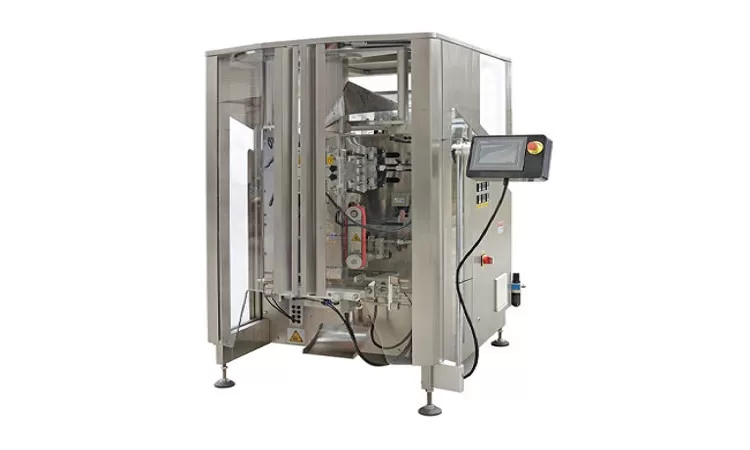
VFFS Equipment: The Ultimate Guide to Vertical Form Fill Seal Technology
13-03-2026 -
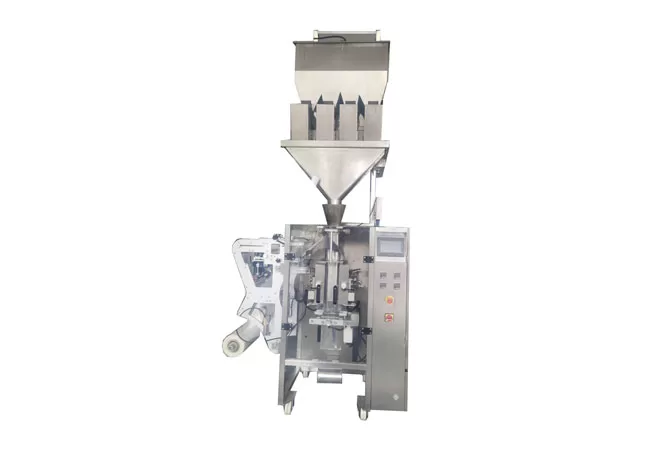
The Essential Guide to Weight Packing Machines for Precision Weighing
12-03-2026 -
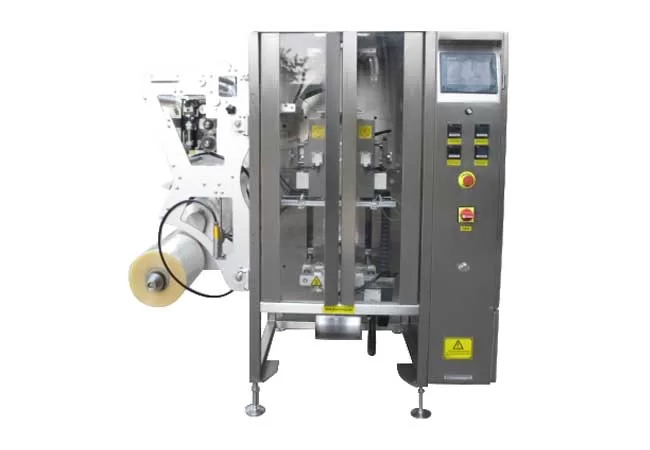
Power Packing Machine: The Ultimate Guide to Heavy-Duty Packaging Efficiency
11-03-2026 -
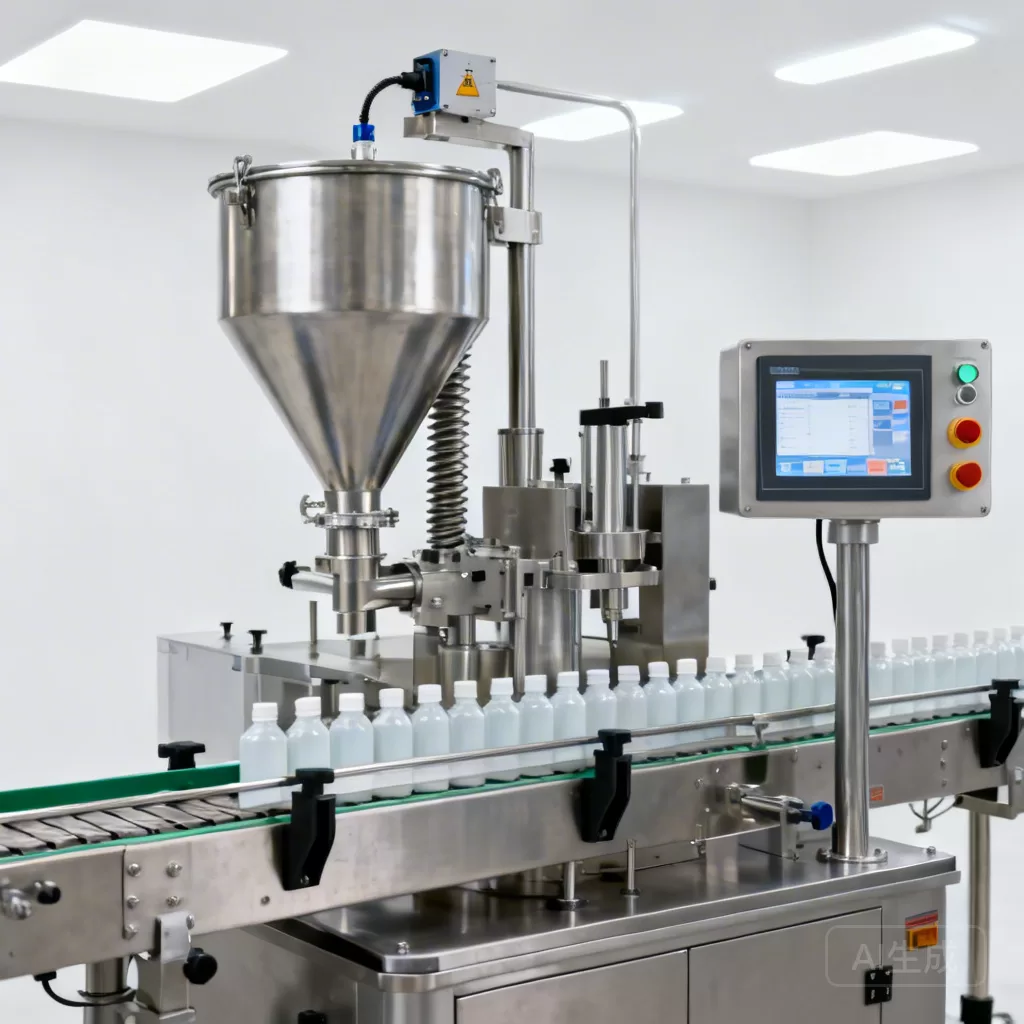
Weigher Packing Machine: The Definitive Guide to Precision Weighing & Packaging
10-03-2026 -
Auger Type Powder Filling Machine: The Ultimate Guide to Precision Packaging
09-03-2026 -
Advanced Packing Solutions: Snacks, Sugar, and Frozen Food Machines
29-10-2025 -
Efficient and Reliable Solutions for Salt, Nuts, and Frozen Dumplings Packing
29-10-2025 -
High-Performance Biscuits, Lollipop, and Ketchup Packing Machines for Modern Food Production
29-10-2025 -
Efficient Liquid Filling and Packing Machines for Modern Production
23-10-2025 -
Reliable Granule Packaging Machines for Efficient Production
23-10-2025
