
How to Choose the Right Material for Gusset Pouch Packaging
How to Choose the Right Material for Gusset Pouch Packaging: A Guide to Enhanced Performance
In the ever-competitive packaging industry, gusset pouches have emerged as a versatile and effective solution for a wide range of products. Their unique design, characterized by side pleats that expand to create a pouch-like shape, offers superior protection and convenience. However, selecting the right material for gusset pouch packaging is crucial to ensuring optimal performance and product integrity.
Defining Your Packaging Needs
Before embarking on material selection, it is imperative to define your specific packaging requirements. Consider the following factors:
Product characteristics: The nature of your product, such as its weight, shape, and moisture sensitivity, will influence the material choice.
Storage and shipping conditions: Extreme temperatures, humidity, or physical impact can necessitate specific material properties.
Desired shelf life: The material should protect your product throughout its intended shelf life.
Sustainability goals: Choose materials that align with your environmental and corporate social responsibility objectives.
Material Options and Their Properties
Once you have established your packaging needs, you can explore the following material options:
Polyethylene (PE): Available in both low-density (LDPE) and high-density (HDPE) varieties, PE offers flexibility, moisture resistance, and cost-effectiveness.
Polypropylene (PP): Known for its strength, clarity, and heat resistance, PP is a versatile option suitable for both flexible and rigid packaging.
Nylon: Provides superior tensile strength and barrier properties, making it ideal for packaging products susceptible to spoilage.
Polyvinyl chloride (PVC): Offers excellent clarity and resistance to chemicals, oils, and acids.
Metallised films: Coatings of metal like aluminium or silver enhance barrier properties, protecting products from light, moisture, and oxygen.
Evaluating Material Performance
To determine the suitability of a particular material, consider its performance against the following criteria:
Physical strength: Resistance to tearing, puncture, and impact is crucial for ensuring product safety during storage and transportation.
Chemical resistance: Ensure the material can withstand exposure to any chemicals or gases present in your product or environment.
Moisture and gas barrier: Protect your product from external moisture, oxygen, and other contaminants that can compromise its quality.
Flexibility and durability: The material should accommodate different product shapes and sizes while maintaining its integrity.
Sealability: Ensuring a hermetic seal is essential for preservartion and contamination prevention.
By carefully considering your packaging needs and evaluating material performance, you can select the ideal material for your gusset pouch packaging. Remember, the right material will not only enhance product protection and shelf life but also contribute to the overall success of your packaging strategy.


-
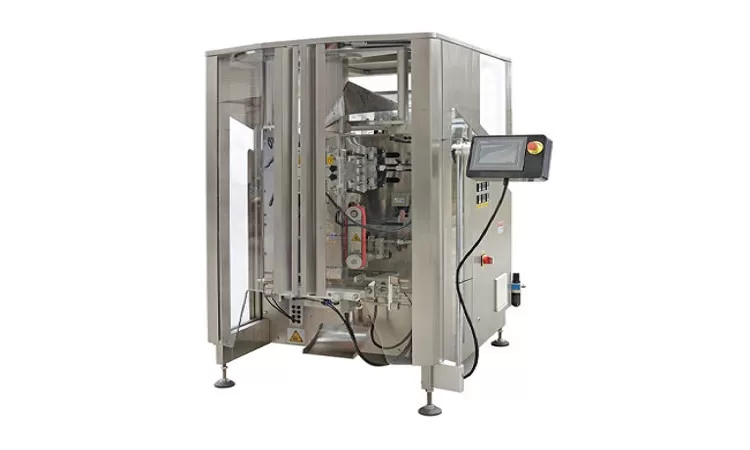
VFFS Equipment: The Ultimate Guide to Vertical Form Fill Seal Technology
13-03-2026 -
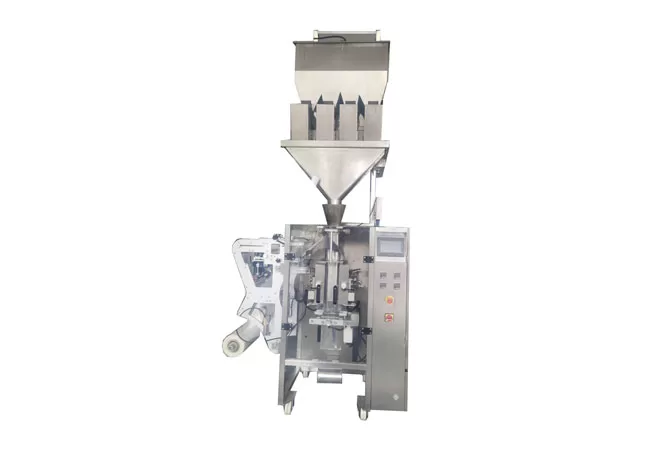
The Essential Guide to Weight Packing Machines for Precision Weighing
12-03-2026 -
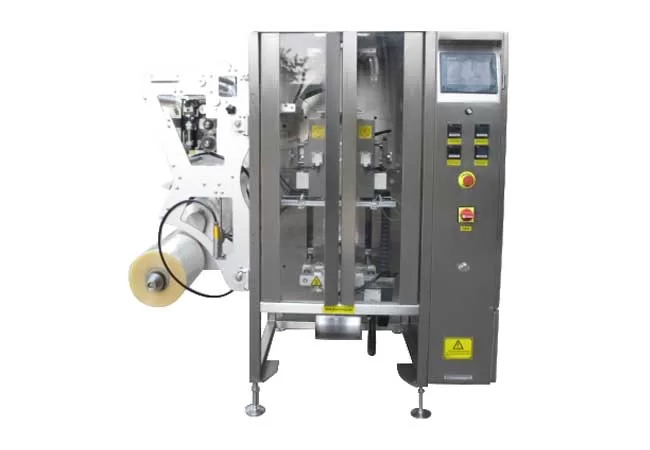
Power Packing Machine: The Ultimate Guide to Heavy-Duty Packaging Efficiency
11-03-2026 -

Weigher Packing Machine: The Definitive Guide to Precision Weighing & Packaging
10-03-2026 -
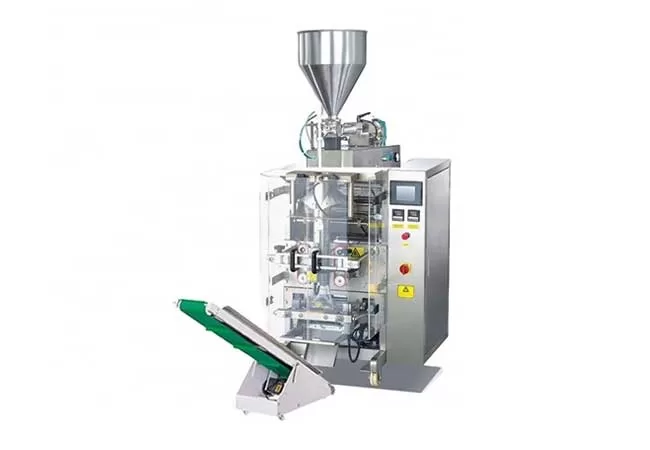
Auger Type Powder Filling Machine: The Ultimate Guide to Precision Packaging
09-03-2026 -
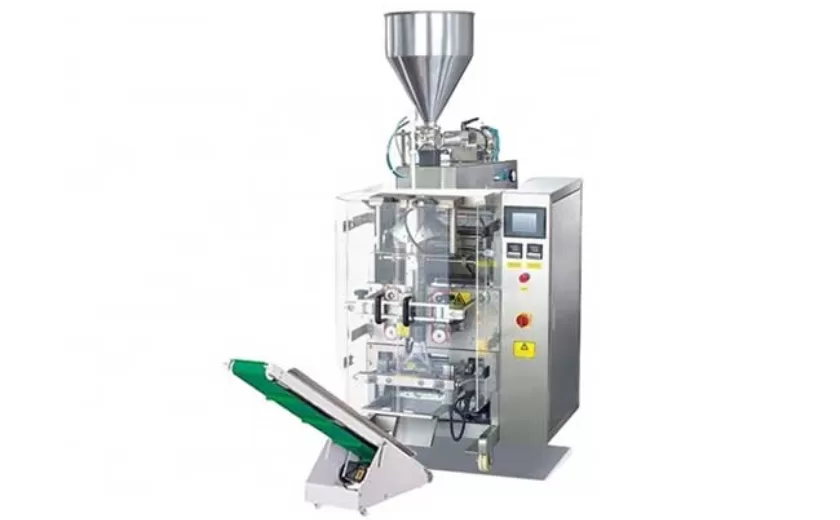
Advanced Packing Solutions: Snacks, Sugar, and Frozen Food Machines
29-10-2025 -
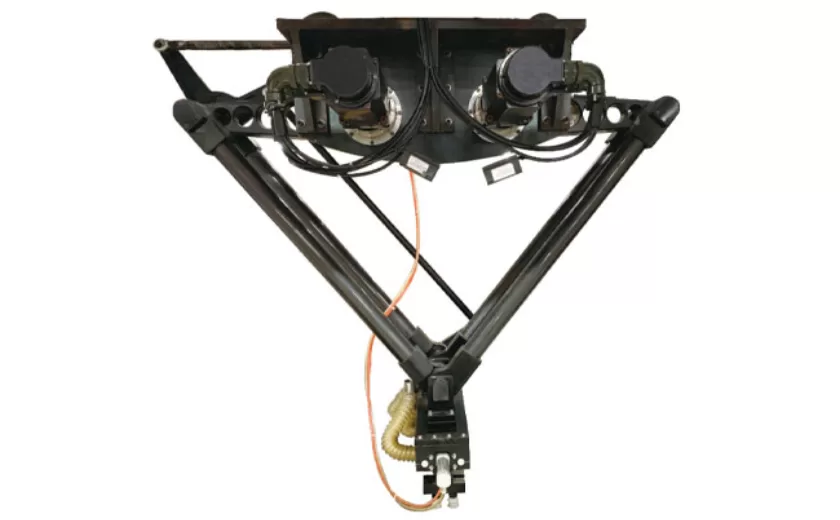
Efficient and Reliable Solutions for Salt, Nuts, and Frozen Dumplings Packing
29-10-2025 -
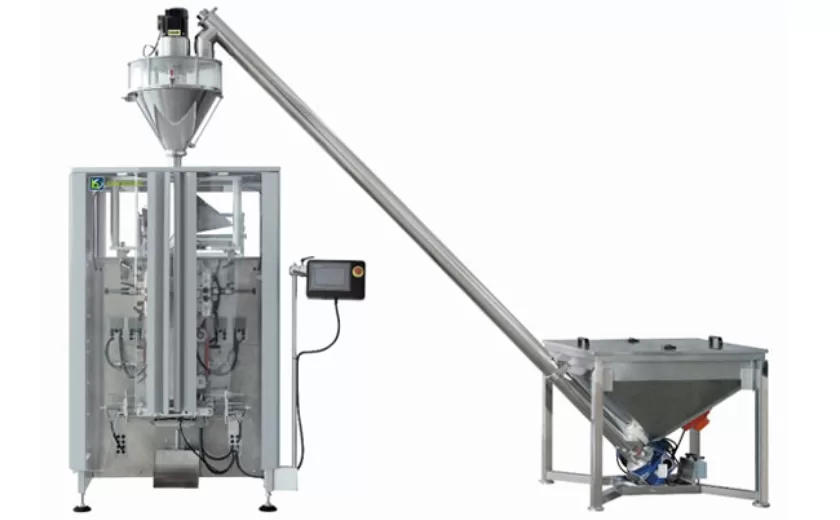
High-Performance Biscuits, Lollipop, and Ketchup Packing Machines for Modern Food Production
29-10-2025 -
Efficient Liquid Filling and Packing Machines for Modern Production
23-10-2025 -
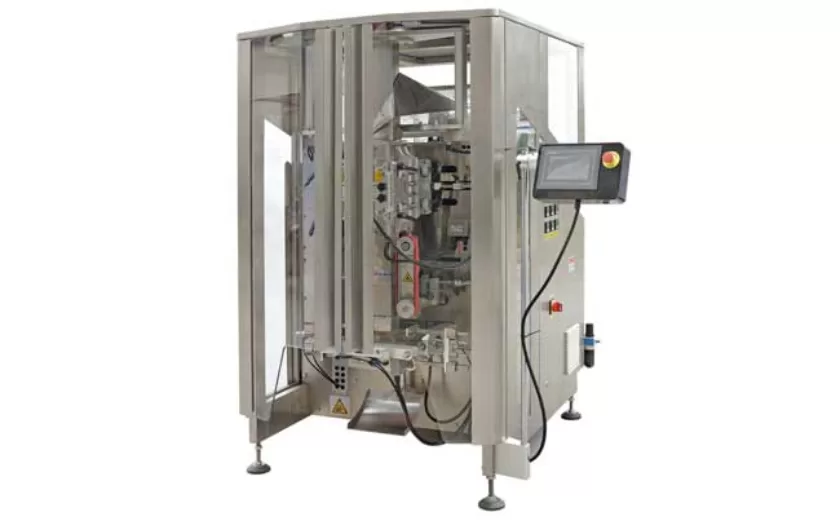
Reliable Granule Packaging Machines for Efficient Production
23-10-2025
