
How to Choose the Right Bags for Vertical Vacuum Packaging
Vertical vacuum packaging has become increasingly popular in various industries due to its ability to preserve food, extend shelf life, and reduce waste. Choosing the right bags for vertical vacuum packaging is crucial to ensure optimal packaging results and maintain product quality. This article provides a comprehensive guide to help you make an informed decision when selecting the appropriate bags for your vertical vacuum packaging needs.
Material
The material of the bag plays a significant role in its overall performance. Common materials used for vertical vacuum packaging bags include:
Polyethylene (PE): PE bags are flexible and offer good moisture and oxygen barrier properties. They are widely used for packaging food and other products.
Polyethylene Terephthalate (PET): PET bags are stronger and more rigid than PE bags, providing excellent resistance to tearing and puncture. They are suitable for packaging heavy or sharp items.
Nylon: Nylon bags have exceptional strength and durability, making them ideal for packaging heavy and irregularly shaped items. They also offer excellent oxygen and moisture barrier properties.
Foil: Foil bags provide the highest level of oxygen and moisture barrier. They are often combined with other materials to create laminated bags that offer both protection and flexibility.
Thickness
The thickness of the bag determines its durability and ability to withstand the vacuum process. Thicker bags are more resistant to punctures and tears, which is important for products with sharp edges or heavy weight. For heavier products or items with long storage periods, thicker bags are recommended.
Size and Shape
The size and shape of the bag should match the size and shape of the product being packaged. Oversized bags can lead to excessive air pockets, while undersized bags can result in product damage. Custom-sized bags can be designed to fit specific product dimensions, ensuring a tight vacuum seal.
Barrier Properties
The barrier properties of the bag are crucial for maintaining product quality over time. Oxygen and moisture barrier properties are important to prevent oxidation and spoilage. For products with high moisture content, bags with high moisture barrier properties are necessary to prevent leakage and maintain the product’s integrity.
Heat Resistance
For products that require cooking or reheating, the bag should have sufficient heat resistance to withstand the heat without melting or releasing toxic chemicals. Bags with high heat resistance are suitable for use in microwave ovens or boiling water.
Environmental Considerations
In an era of growing environmental consciousness, choosing environmentally friendly packaging solutions is becoming increasingly important. Biodegradable or compostable bags are an excellent alternative to traditional plastic bags, reducing waste and promoting sustainability.
Additional Features
In addition to the aforementioned factors, there are other features that may enhance the functionality of vertical vacuum packaging bags:
Zip lock closures allow for easy opening and resealing, extending product shelf life.
Clear windows provide visibility of the product inside, facilitating inventory management.
Printed labels can be added to provide branding, product information, or safety instructions.
Choosing the right bags for vertical vacuum packaging requires careful consideration of various factors. By understanding the impact of material, thickness, size, barrier properties, heat resistance, environmental considerations, and additional features, you can select bags that optimize packaging results, preserve product quality, and meet your specific packaging needs.


-
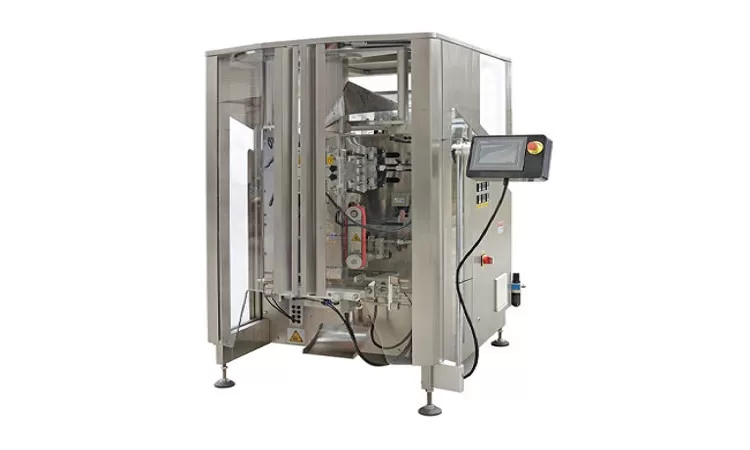
VFFS Equipment: The Ultimate Guide to Vertical Form Fill Seal Technology
13-03-2026 -
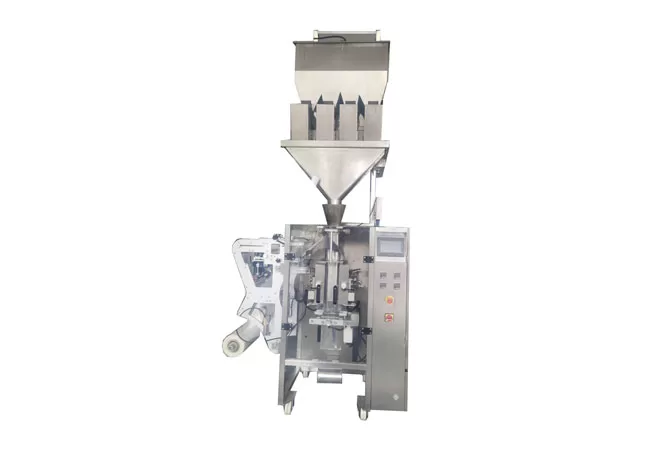
The Essential Guide to Weight Packing Machines for Precision Weighing
12-03-2026 -
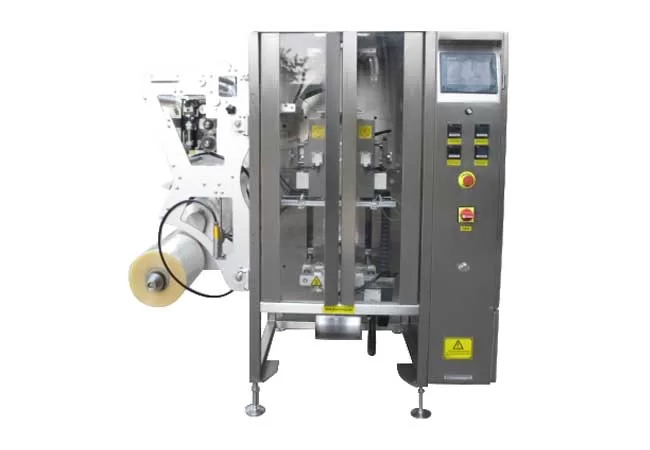
Power Packing Machine: The Ultimate Guide to Heavy-Duty Packaging Efficiency
11-03-2026 -
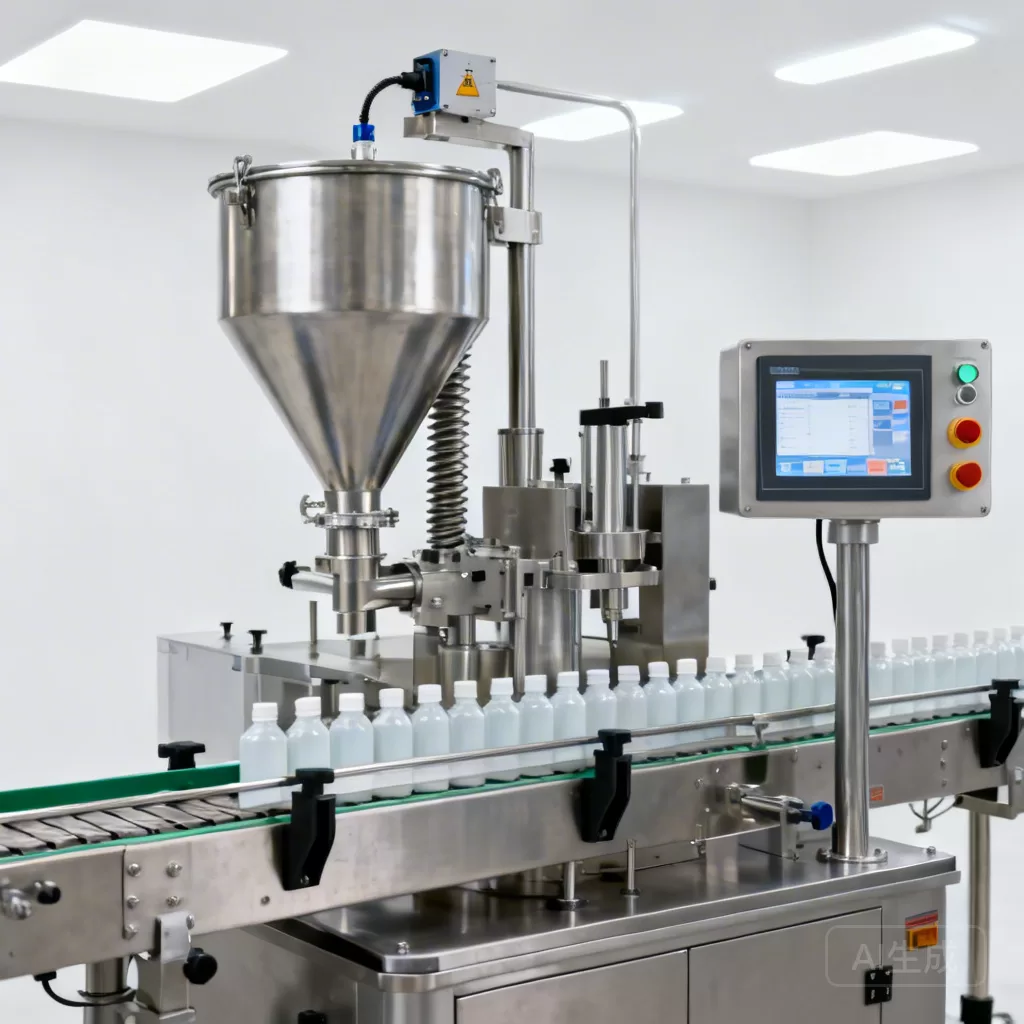
Weigher Packing Machine: The Definitive Guide to Precision Weighing & Packaging
10-03-2026 -
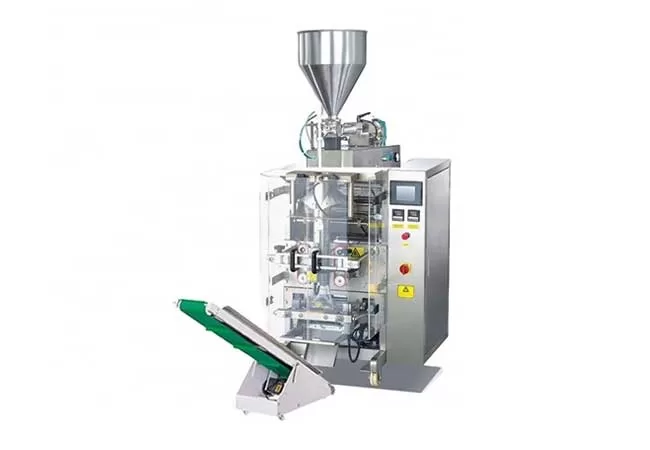
Auger Type Powder Filling Machine: The Ultimate Guide to Precision Packaging
09-03-2026 -
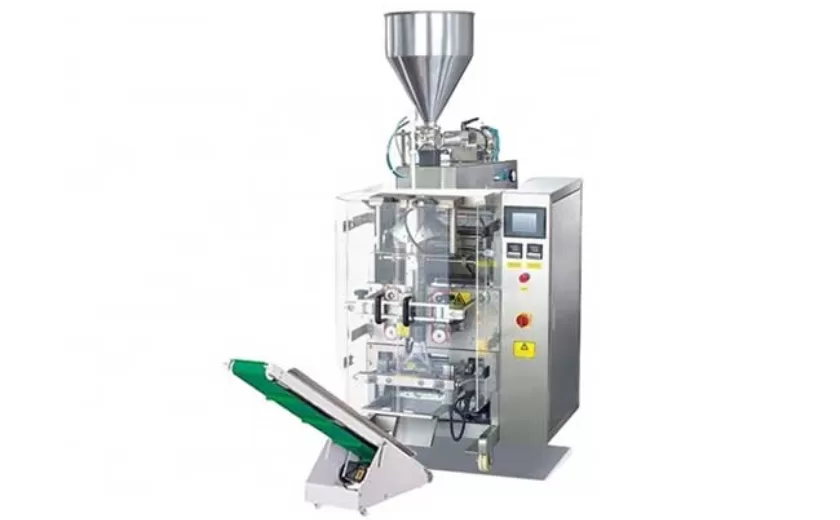
Advanced Packing Solutions: Snacks, Sugar, and Frozen Food Machines
29-10-2025 -
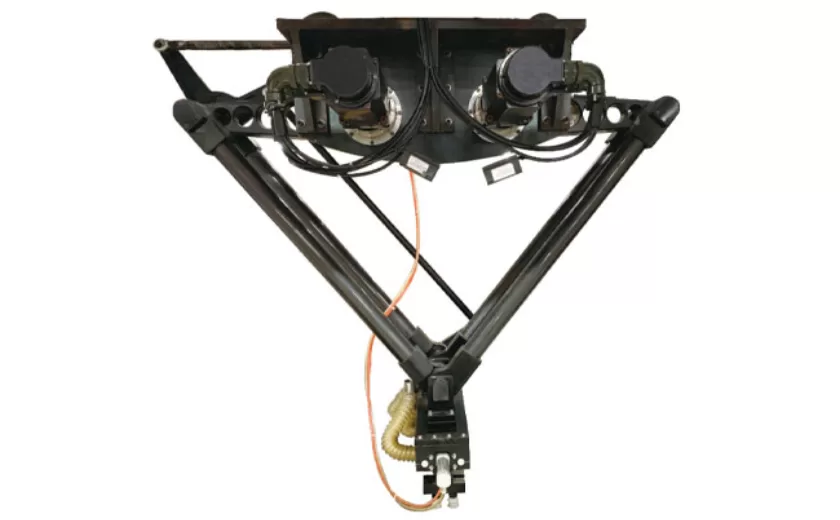
Efficient and Reliable Solutions for Salt, Nuts, and Frozen Dumplings Packing
29-10-2025 -
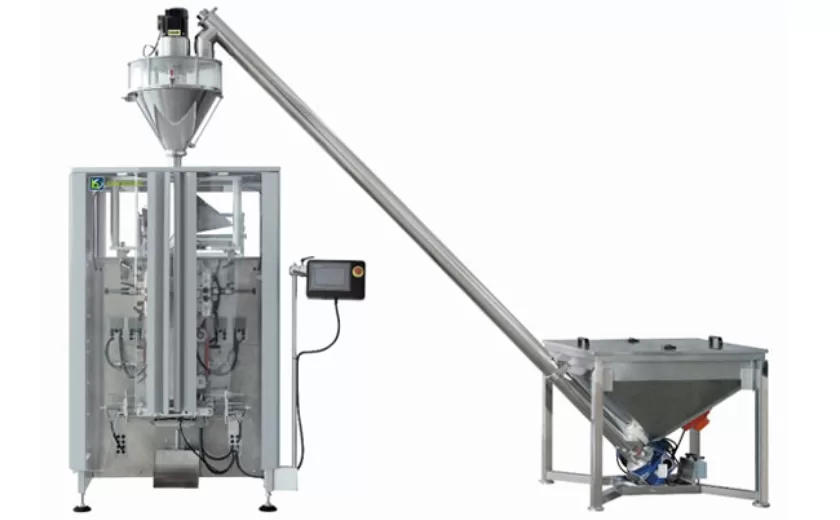
High-Performance Biscuits, Lollipop, and Ketchup Packing Machines for Modern Food Production
29-10-2025 -
Efficient Liquid Filling and Packing Machines for Modern Production
23-10-2025 -
Reliable Granule Packaging Machines for Efficient Production
23-10-2025
