
How to Achieve Consistent Quality with Auto Weighing Filling Machines
In the relentless pursuit of excellence, manufacturers seek unwavering consistency in their production processes. Auto weighing filling machines emerge as a beacon in this quest, promising a precision that defies the vagaries of manual labor. To harness their full potential, meticulous attention to key considerations is paramount.
1. Precision Equipment Calibration:
The foundation of consistent quality lies in precise equipment. Regular calibration of weighing scales, load cells, and other critical components is essential to ensure accuracy and prevent drift over time. Utilize certified calibration weights and follow manufacturer’s specifications to maintain optimal performance.
2. Material Flow Management:
Ensure consistent material flow to the filling machine. This can be achieved through controlled agitation, vibration, or other techniques. Fluctuations in material density or flow rate can lead to variations in filling weight, compromising quality.
3. Environmental Factors:
Temperature, humidity, and vibrations can subtly affect weighing accuracy. Establish a stable and controlled environment for the filling operation. Minimize drafts and maintain optimal temperature ranges to prevent thermal drift.
4. Operator Training and SOPs:
Human error can undermine the most sophisticated equipment. Provide comprehensive training to operators on proper machine operation and standard operating procedures (SOPs). Standardized workflows eliminate inconsistencies and ensure adherence to quality standards.
5. Data Monitoring and Analytics:
Real-time data monitoring and analysis are crucial for early detection of potential issues. Establish a data infrastructure that tracks filling weights, cycle times, and other key metrics. Use statistical process control (SPC) techniques to identify trends and prevent deviations from target values.
6. Maintenance and Preventive Care:
Regular maintenance and preventive care are proactive measures to ensure consistent quality. Adhere to manufacturer’s recommended maintenance schedules, replace worn parts, and perform periodic inspections to prevent costly breakdowns.
7. Supplier Quality Control:
The quality of the raw materials used can directly impact filling accuracy. Establish robust quality control procedures with suppliers to ensure the consistency of inbound materials. Conduct regular audits and implement supplier evaluation programs to maintain high standards.
By meticulously implementing these measures, manufacturers can unlock the full potential of auto weighing filling machines. Consistent quality becomes a reality, eliminating waste, reducing customer complaints, and enhancing brand reputation. Precision becomes the hallmark of the production process, empowering businesses to deliver exceptional products with unwavering confidence.


-
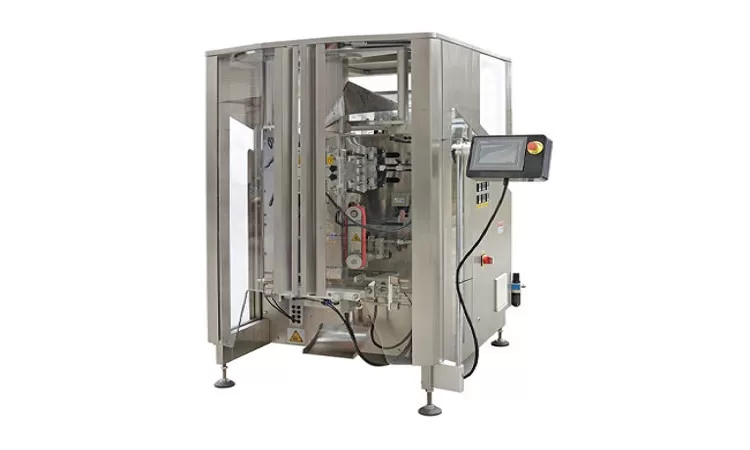
VFFS Equipment: The Ultimate Guide to Vertical Form Fill Seal Technology
13-03-2026 -
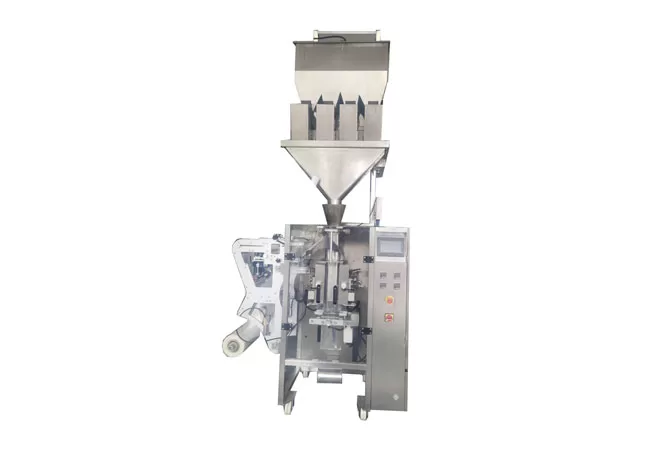
The Essential Guide to Weight Packing Machines for Precision Weighing
12-03-2026 -
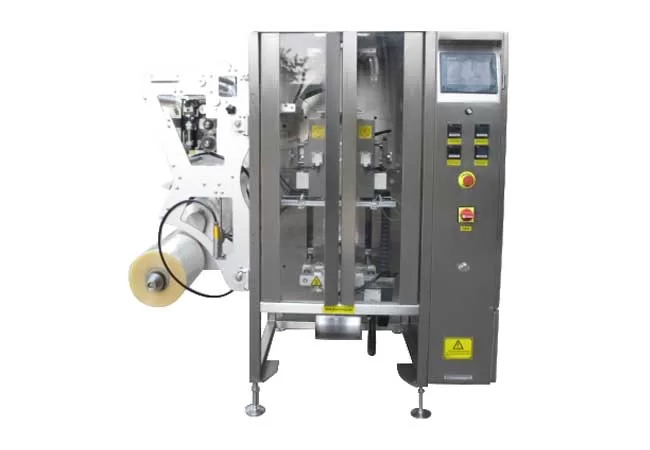
Power Packing Machine: The Ultimate Guide to Heavy-Duty Packaging Efficiency
11-03-2026 -
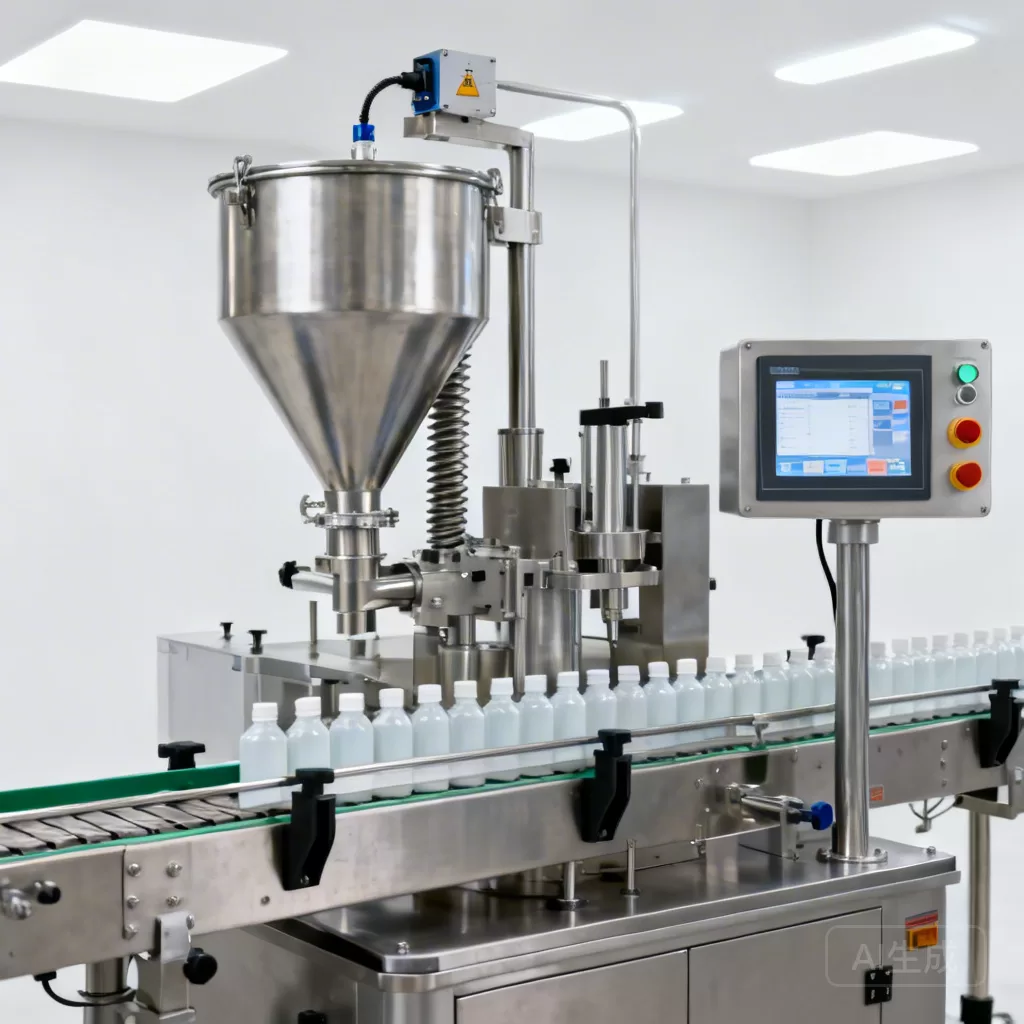
Weigher Packing Machine: The Definitive Guide to Precision Weighing & Packaging
10-03-2026 -
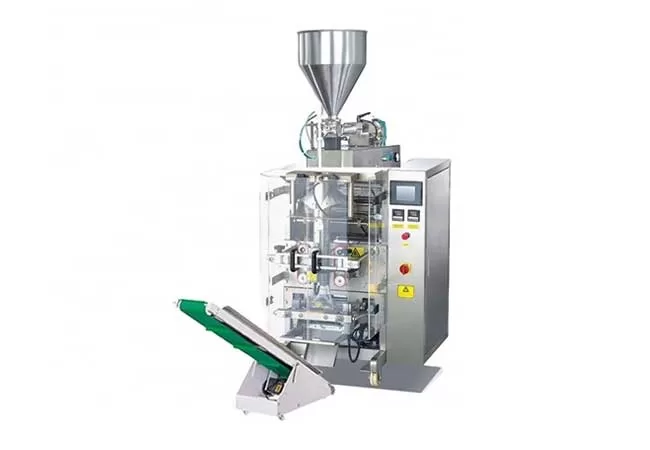
Auger Type Powder Filling Machine: The Ultimate Guide to Precision Packaging
09-03-2026 -
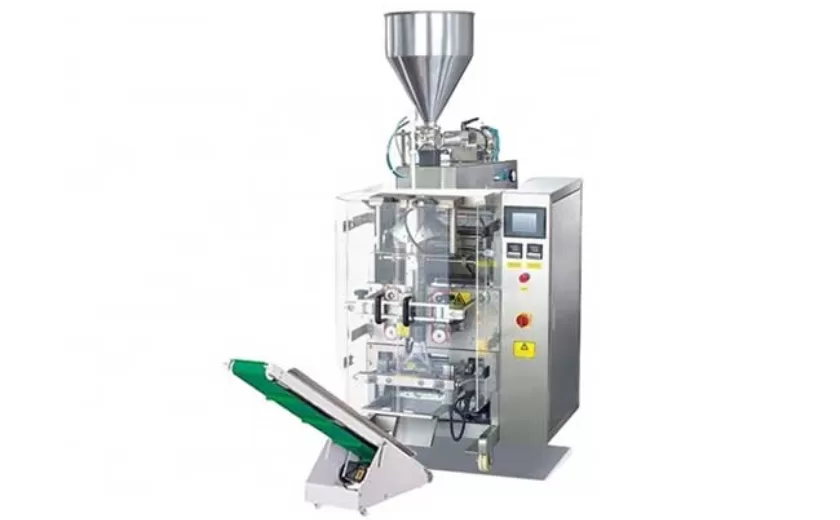
Advanced Packing Solutions: Snacks, Sugar, and Frozen Food Machines
29-10-2025 -
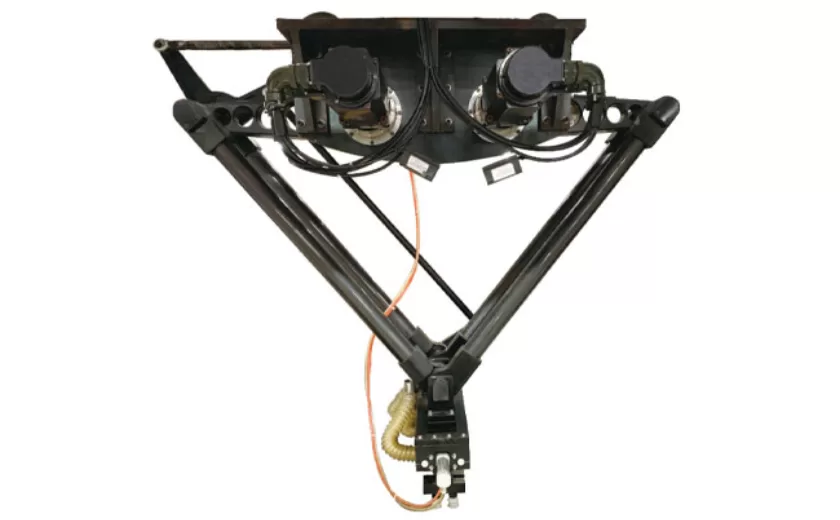
Efficient and Reliable Solutions for Salt, Nuts, and Frozen Dumplings Packing
29-10-2025 -
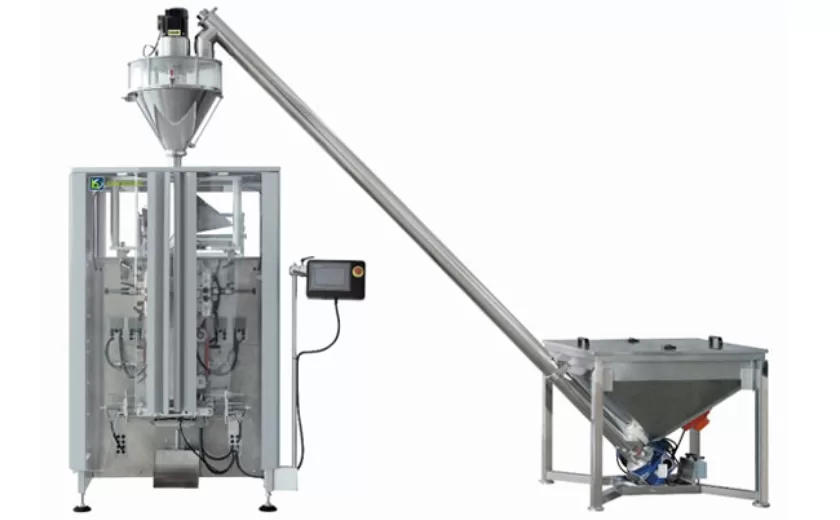
High-Performance Biscuits, Lollipop, and Ketchup Packing Machines for Modern Food Production
29-10-2025 -
Efficient Liquid Filling and Packing Machines for Modern Production
23-10-2025 -
Reliable Granule Packaging Machines for Efficient Production
23-10-2025
