
Future Innovations in Horizontal Form Fill Seal Technology
Horizontal form fill seal (HFFS) technology has been a cornerstone of the packaging industry for decades. This versatile and efficient technology has enabled the production of a wide range of flexible packaging formats for food, beverages, pharmaceuticals, and industrial products. In recent years, HFFS technology has undergone significant advancements, driven by the need for improved packaging performance, sustainability, and efficiency.
Advanced Sealing Technologies
One of the most significant innovations in HFFS technology has been the development of advanced sealing technologies. These technologies provide stronger, more reliable seals that prevent product leakage and contamination. Ultrasonic sealing, for example, uses high-frequency sound waves to create a secure seal without the need for heat or glue. Induction sealing creates a hermetic seal by bonding an aluminum foil layer to the package material using electromagnetic energy.
Sustainable Materials and Designs
Sustainability has become a major focus in the packaging industry, and HFFS technology is playing a key role in reducing environmental impact. The use of biodegradable and compostable packaging materials, such as plant-based plastics and paper, has increased significantly. Additionally, innovative package designs, such as resealable zippers and easy-open features, help to reduce waste and promote consumer convenience.
Automation and Control
Automation and control systems have been integrated into HFFS machines to improve efficiency and reduce production costs. Advanced sensors and vision systems monitor the packaging process, providing real-time feedback for precise control of filling, sealing, and cutting operations. This automation minimizes errors, reduces downtime, and optimizes overall equipment effectiveness (OEE).
Data Analytics and Traceability
HFFS machines are increasingly equipped with data analytics capabilities that provide valuable insights into packaging operations. These systems collect and analyze data from various sensors, enabling manufacturers to identify areas for improvement, predict maintenance needs, and optimize the overall packaging process. Additionally, advanced traceability systems allow for the tracking of individual packages throughout the supply chain, ensuring product safety and reducing the risk of counterfeiting.
Integration with Other Technologies
HFFS technology is often integrated with other packaging and automation technologies to create comprehensive packaging solutions. For example, HFFS machines can be combined with robotics for automated product loading and unloading. They can also be integrated with coding and labeling systems to provide product identification and traceability. This integration streamlines the packaging process and improves overall efficiency.
Conclusion
The advancements in horizontal form fill seal technology are shaping the future of packaging. By leveraging advanced sealing technologies, sustainable materials, automation, data analytics, and integration with other technologies, HFFS machines are enabling manufacturers to produce high-quality, sustainable, and efficient packaging solutions. As the industry continues to evolve, we can expect even more innovative developments in HFFS technology that will further enhance packaging performance and meet the changing needs of consumers and businesses.


-
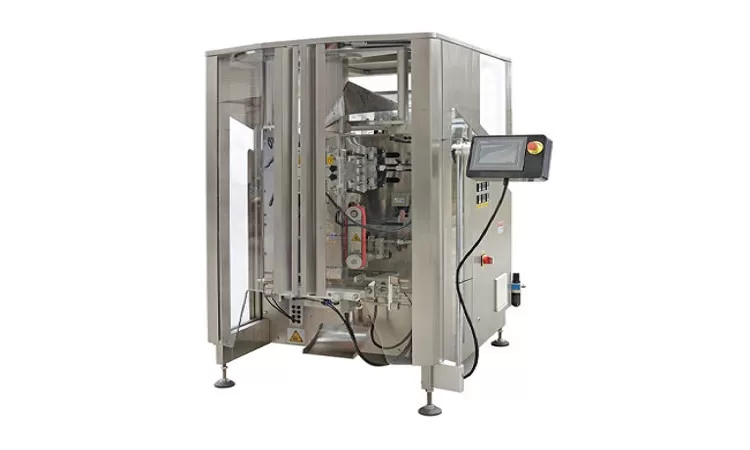
VFFS Equipment: The Ultimate Guide to Vertical Form Fill Seal Technology
13-03-2026 -
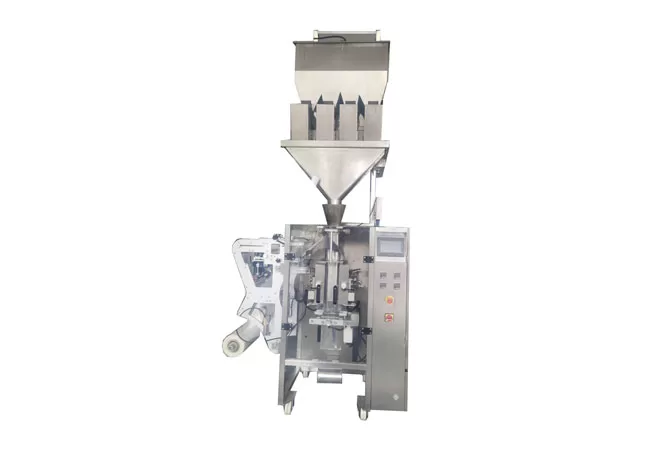
The Essential Guide to Weight Packing Machines for Precision Weighing
12-03-2026 -
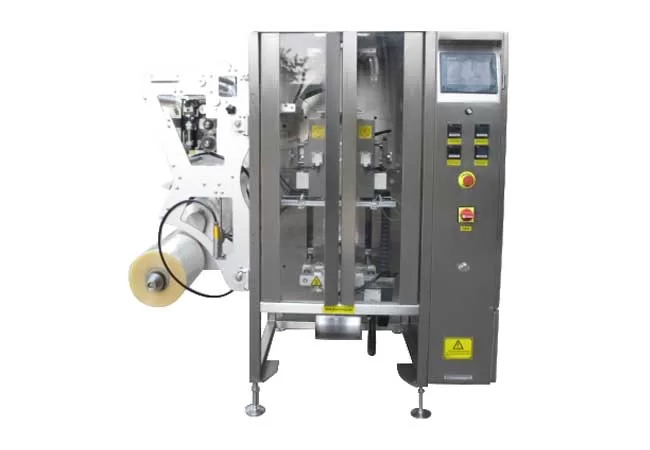
Power Packing Machine: The Ultimate Guide to Heavy-Duty Packaging Efficiency
11-03-2026 -
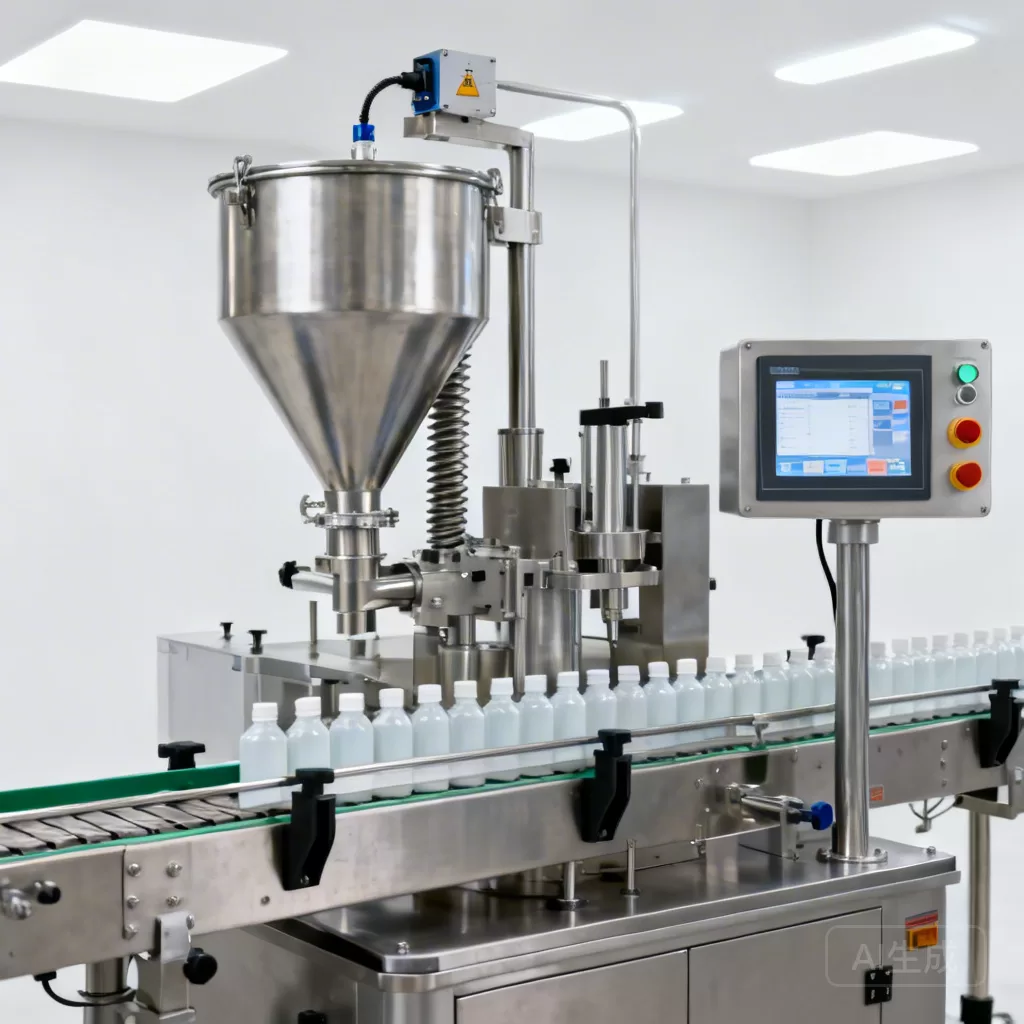
Weigher Packing Machine: The Definitive Guide to Precision Weighing & Packaging
10-03-2026 -
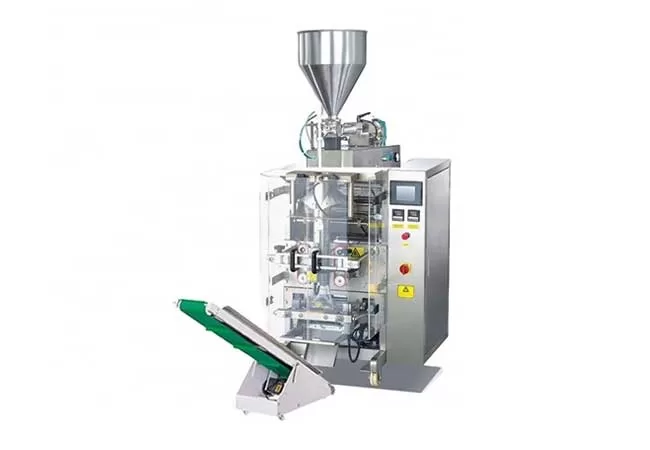
Auger Type Powder Filling Machine: The Ultimate Guide to Precision Packaging
09-03-2026 -
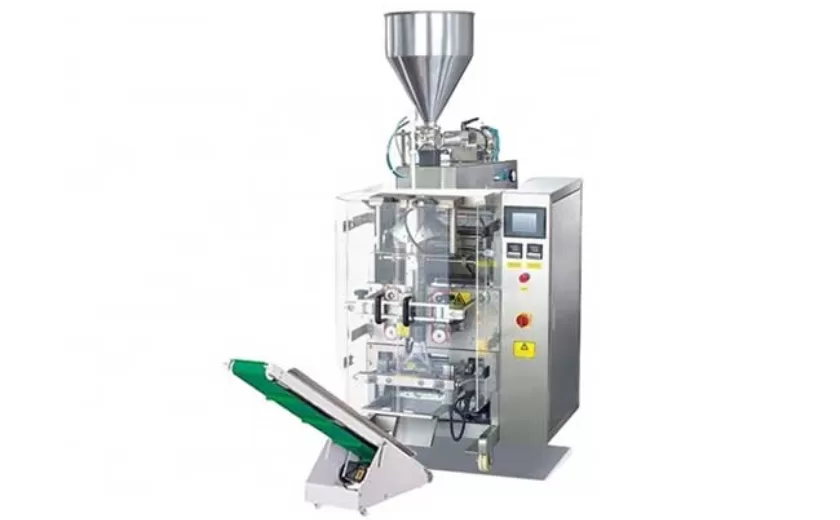
Advanced Packing Solutions: Snacks, Sugar, and Frozen Food Machines
29-10-2025 -
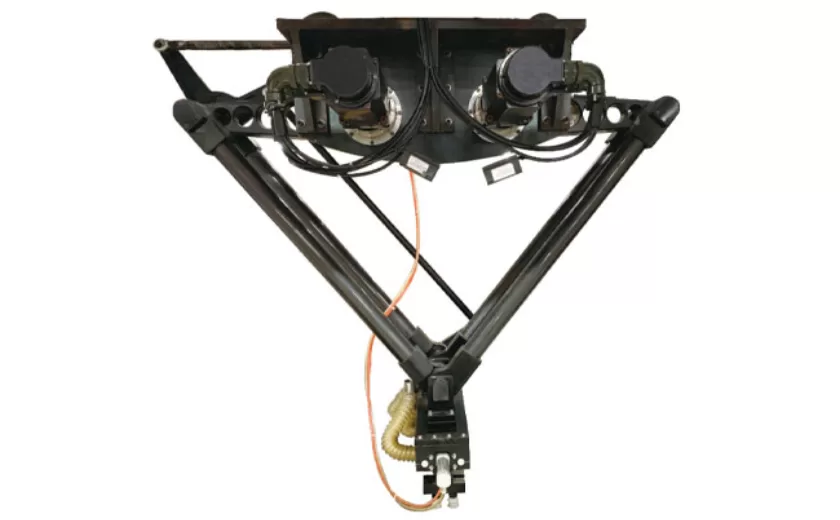
Efficient and Reliable Solutions for Salt, Nuts, and Frozen Dumplings Packing
29-10-2025 -
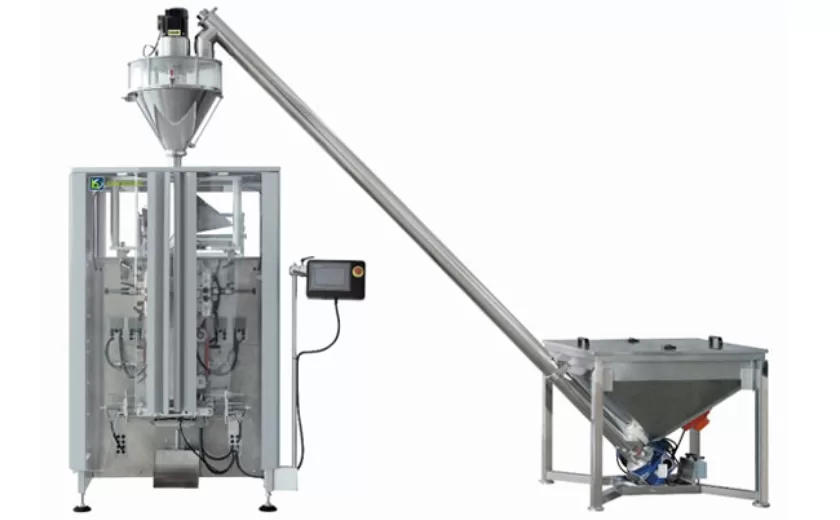
High-Performance Biscuits, Lollipop, and Ketchup Packing Machines for Modern Food Production
29-10-2025 -
Efficient Liquid Filling and Packing Machines for Modern Production
23-10-2025 -
Reliable Granule Packaging Machines for Efficient Production
23-10-2025
