
Ensuring Compliance in Single Pouch Filling Operations
Ensuring Compliance in Single Pouch Filling Operations: A Mission Critical for Safety and Quality
In the realm of manufacturing, compliance is not an option but a mandate. Nowhere is this more evident than in single pouch filling operations, where ensuring product safety and quality is paramount.
Compliance violations can have severe consequences, ranging from product recalls to legal actions and reputational damage. Therefore, adhering to stringent regulations is not only an ethical obligation but also a business imperative.
Regulatory Landscape
Single pouch filling operations are subject to a myriad of regulations, including current Good Manufacturing Practices (cGMPs), Food and Drug Administration (FDA) guidelines, and industry-specific standards. These regulations outline specific requirements for facility design, equipment maintenance, process validation, and documentation.
Critical Control Points
Compliance in single pouch filling operations revolves around identifying and controlling critical control points (CCPs). CCPs are specific points in the process where hazards can occur and must be monitored and controlled to prevent contamination or product defects.
Examples of CCPs in single pouch filling operations include:
Pouch sterilization
Product filling and sealing
Storage and handling
Monitoring and Corrective Actions
Once CCPs are identified, they must be monitored regularly to ensure compliance. Monitoring can involve physical inspections, instrument readings, or data analysis. If any deviation from established parameters is detected, corrective actions must be promptly taken to rectify the situation and prevent further non-compliance.
Documentation and Training
Thorough documentation is essential for compliance. All activities related to single pouch filling operations, including CCP monitoring and corrective actions, must be meticulously recorded. Additionally, personnel must receive comprehensive training on compliance protocols to ensure proper understanding and execution.
Continuous Improvement
Compliance is not a static state but an ongoing journey. Continuous improvement is crucial for identifying areas for enhancement and ensuring that operations remain compliant over the long term. Regular audits, risk assessments, and process optimization initiatives are essential for achieving this goal.
Compliance in single pouch filling operations is not merely a checkbox exercise but a fundamental aspect of ensuring product safety and quality. By adhering to stringent regulations, monitoring CCPs, documenting activities, training personnel, and embracing continuous improvement, manufacturers can minimize the risk of non-compliance and protect their customers and stakeholders from adverse consequences.


-
VFFS Equipment: The Ultimate Guide to Vertical Form Fill Seal Technology
13-03-2026 -
The Essential Guide to Weight Packing Machines for Precision Weighing
12-03-2026 -
Power Packing Machine: The Ultimate Guide to Heavy-Duty Packaging Efficiency
11-03-2026 -
Weigher Packing Machine: The Definitive Guide to Precision Weighing & Packaging
10-03-2026 -
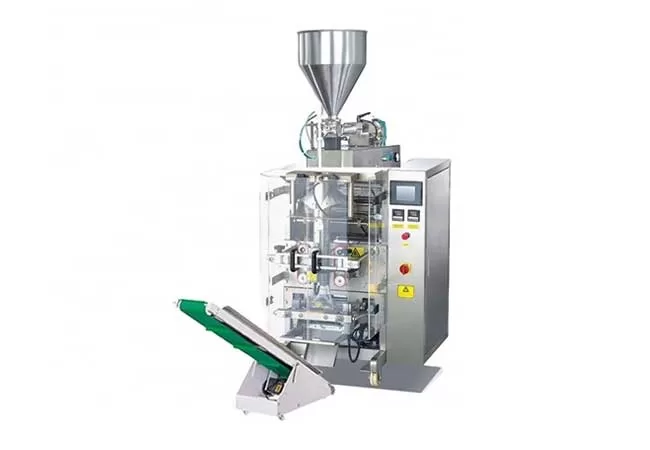
Auger Type Powder Filling Machine: The Ultimate Guide to Precision Packaging
09-03-2026 -
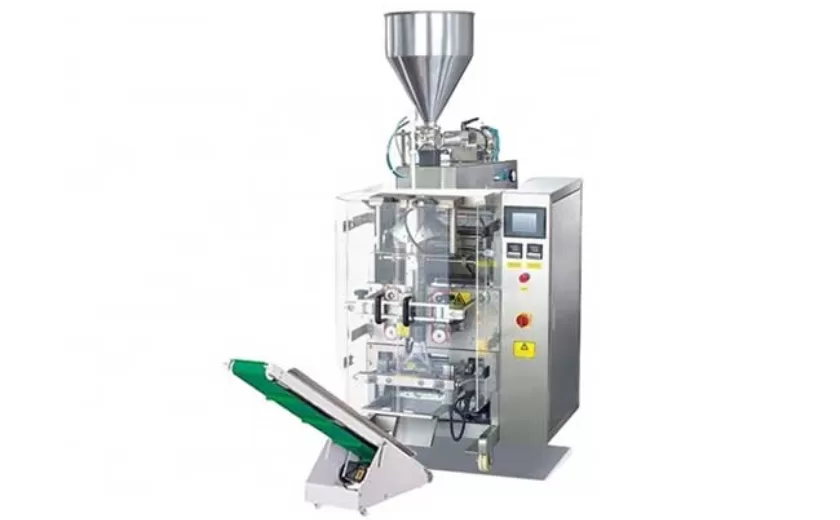
Advanced Packing Solutions: Snacks, Sugar, and Frozen Food Machines
29-10-2025 -
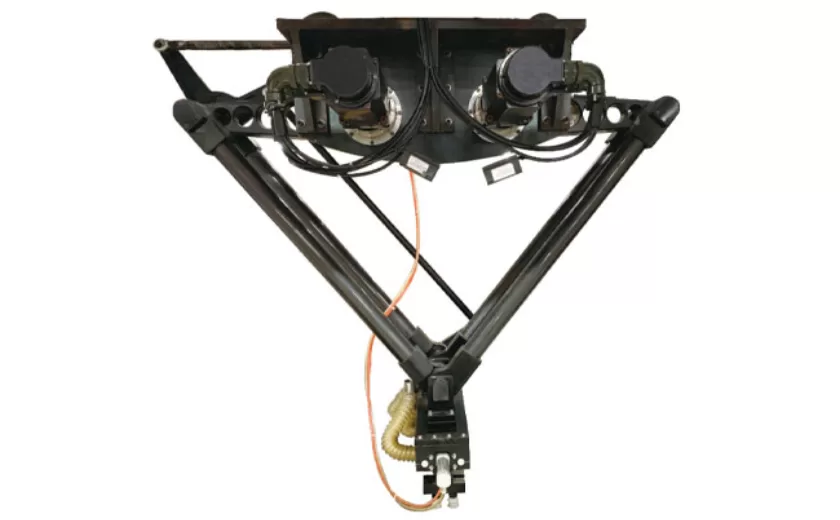
Efficient and Reliable Solutions for Salt, Nuts, and Frozen Dumplings Packing
29-10-2025 -
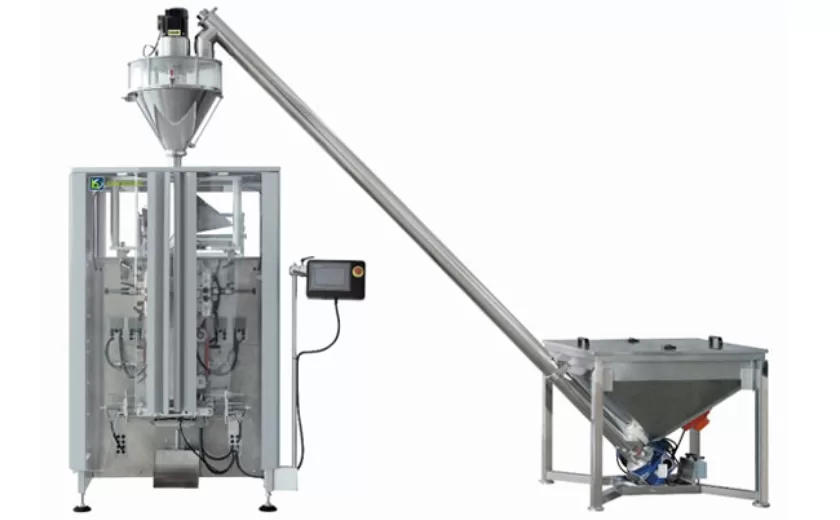
High-Performance Biscuits, Lollipop, and Ketchup Packing Machines for Modern Food Production
29-10-2025 -
Efficient Liquid Filling and Packing Machines for Modern Production
23-10-2025 -
Reliable Granule Packaging Machines for Efficient Production
23-10-2025
