
Edible Oil Pouch Filling Machine Maintenance- Best Practices
Maintaining edible oil pouch filling machines is crucial for ensuring efficient, safe, and hygienic packaging operations. By following best practices, you can extend the lifespan of your equipment, reduce downtime, and produce high-quality products.
Daily Maintenance
Thorough Cleaning: Clean the machine daily with a mild detergent and water to remove product residue, dust, and debris. Use a soft cloth or brush to avoid damaging delicate components.
Lubrication: Lubricate all moving parts regularly according to the manufacturer’s guidelines. Use a food-grade lubricant to prevent contamination of your products.
Visual Inspection: Perform a visual inspection of the machine daily to check for any signs of wear, cracks, or damage. Tighten loose screws, bearings, and belts as necessary.
Weekly Maintenance
Sanitization: Sanitize the machine weekly with an approved food-grade sanitizer to prevent the growth of bacteria and mold. Follow the manufacturer’s instructions for proper usage.
Electrical Inspection: Check all electrical connections for tightness and integrity. Inspect wires and cables for any signs of damage or wear. Contact a qualified electrician for repairs if necessary.
Filling Nozzle Maintenance: Inspect filling nozzles for clogging or blockage. Clean and unclog nozzles promptly to ensure proper product flow.
Monthly Maintenance
Comprehensive Cleaning: Disassemble the machine and perform a thorough cleaning of all components. Use a powerful degreaser to remove stubborn residues. Reassemble the machine carefully and test its functionality.
Mechanical Adjustments: Check and adjust all mechanical components, including clutches, brakes, and bearings. Proper adjustments ensure smooth and efficient operation.
Sensor Calibration: Calibrate sensors, such as level sensors and temperature probes, to ensure accurate and reliable performance.
Annual Maintenance
Major Overhaul: Perform a comprehensive overhaul of the machine annually, involving a complete disassembly and inspection of all components. Replace worn or damaged parts as necessary.
Preventive Maintenance: Conduct preventive maintenance procedures recommended by the manufacturer, such as replacing filters, gaskets, and valves. These measures help prevent unexpected breakdowns and extend the lifespan of the machine.
Other Best Practices
Train Operators: Train operators on proper machine operation and maintenance procedures.
Use Quality Spare Parts: Use only genuine spare parts to ensure compatibility and reliability.
Follow Manufacturer’s Instructions: Refer to the manufacturer’s operating manual for specific maintenance guidelines and troubleshooting tips.
Monitor Performance: Track machine performance and key parameters to identify potential issues and prevent downtime.
Establish a Maintenance Schedule: Develop a regular maintenance schedule based on the frequency of usage and the manufacturer’s recommendations.


-
VFFS Equipment: The Ultimate Guide to Vertical Form Fill Seal Technology
13-03-2026 -
The Essential Guide to Weight Packing Machines for Precision Weighing
12-03-2026 -
Power Packing Machine: The Ultimate Guide to Heavy-Duty Packaging Efficiency
11-03-2026 -
Weigher Packing Machine: The Definitive Guide to Precision Weighing & Packaging
10-03-2026 -
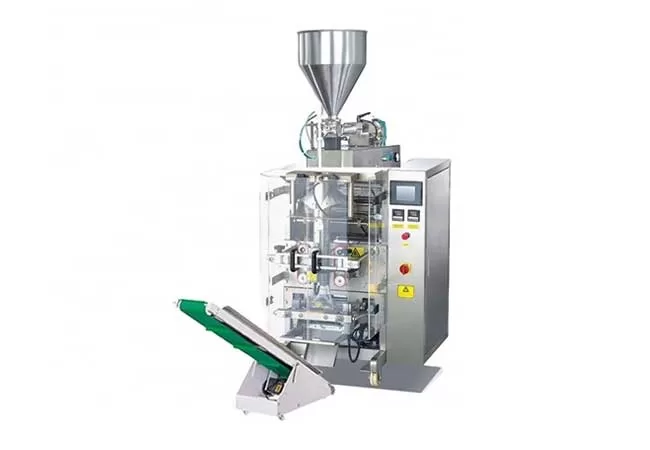
Auger Type Powder Filling Machine: The Ultimate Guide to Precision Packaging
09-03-2026 -
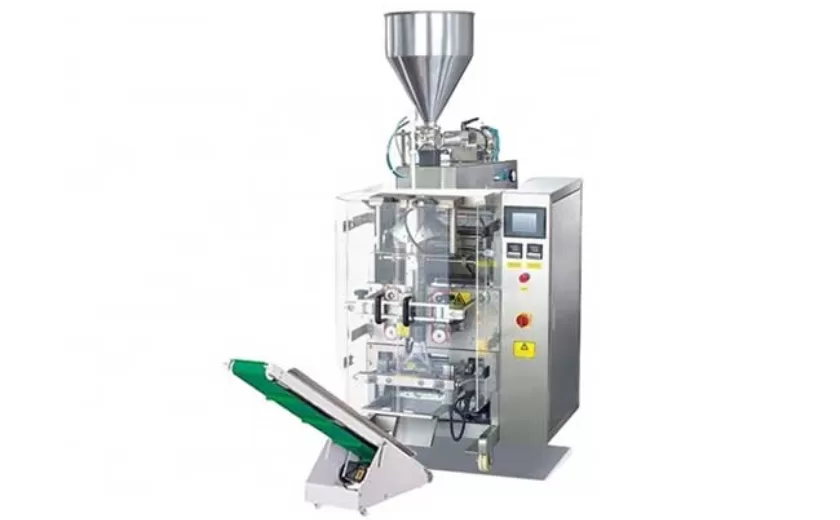
Advanced Packing Solutions: Snacks, Sugar, and Frozen Food Machines
29-10-2025 -
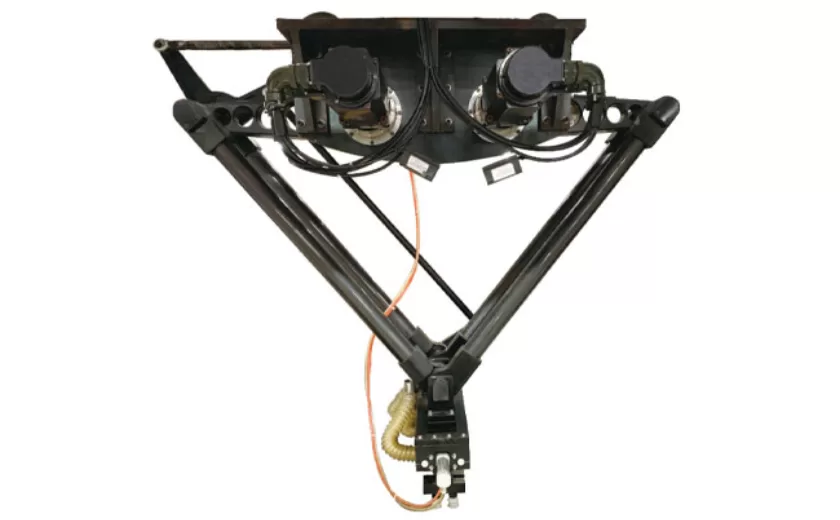
Efficient and Reliable Solutions for Salt, Nuts, and Frozen Dumplings Packing
29-10-2025 -
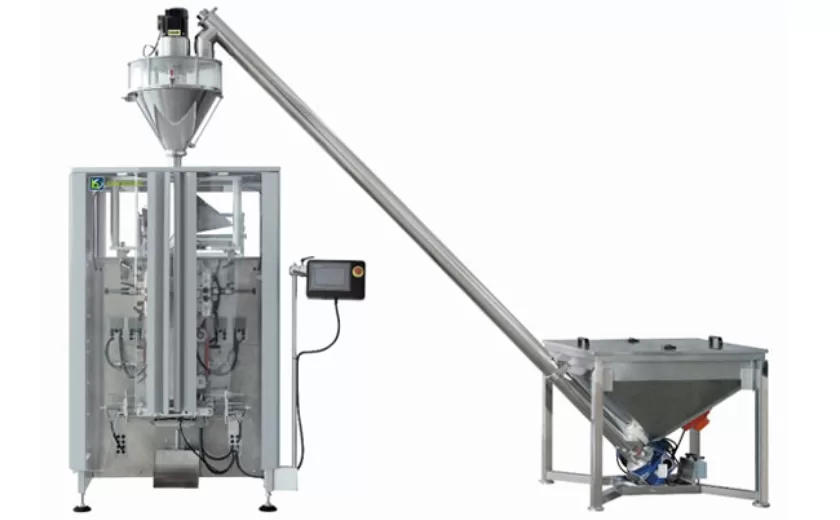
High-Performance Biscuits, Lollipop, and Ketchup Packing Machines for Modern Food Production
29-10-2025 -
Efficient Liquid Filling and Packing Machines for Modern Production
23-10-2025 -
Reliable Granule Packaging Machines for Efficient Production
23-10-2025
