
Comparing Different Models of Multihead Weigher Machines
Multihead weigher machines are indispensable tools for various industries, such as food, pharmaceutical, and chemical, where precise and efficient weighing and packaging operations are critical. Numerous models of multihead weigher machines are available in the market, each with its unique features and specifications. Comparing different models is essential to identify the best machine that meets specific requirements and optimizes productivity.
Accuracy and Reliability
Accuracy and reliability are paramount in weighing applications. Multihead weigher machines often employ sophisticated algorithms and load cells to ensure precise weighing results. Features like automatic weight calibration, self-diagnostics, and high-speed operation contribute to consistent and accurate performance, minimizing waste and maximizing product quality.
Speed and Efficiency
Multihead weigher machines are designed to deliver high throughput and efficiency. The number of weighing heads, combination algorithms, and discharge system significantly impact speed. Machines with more heads can handle multiple products simultaneously, and advanced algorithms optimize weight distribution, reducing weighing time and increasing overall productivity.
Versatility and Flexibility
Versatility allows multihead weigher machines to handle a wide range of products with varying weights, shapes, and sizes. Multiple product hoppers enable quick changeovers between different products, while adjustable weighing ranges and customizable settings accommodate various product characteristics. Machines with intuitive user interfaces and remote access capabilities provide ease of operation and flexibility in different production environments.
Integration and Connectivity
Integration with other equipment and systems is crucial for seamless production processes. Multihead weigher machines often offer connectivity options, such as Ethernet, RS-485, and fieldbuses. This allows for data exchange between the weigher and other devices, such as packaging machines, control systems, and data acquisition software. Seamless integration enhances automation, data tracking, and process monitoring.
Construction and Maintenance
The construction and materials used in multihead weigher machines influence their durability and maintenance requirements. Stainless steel construction provides resistance to corrosion and wear, especially in harsh environments. Easy-to-clean surfaces, accessible components, and modular designs facilitate routine maintenance, minimizing downtime and ensuring ongoing reliability.
Applications and Industry Standards
The choice of a multihead weigher machine should align with industry requirements and specific applications. Different industries may have specific regulations and standards related to weighing accuracy, hygiene, and safety. For example, food-grade machines must meet stringent sanitation guidelines, while pharmaceutical applications require precision and validation capabilities. Understanding application-specific requirements is essential for selecting the most suitable multihead weigher machine.


-
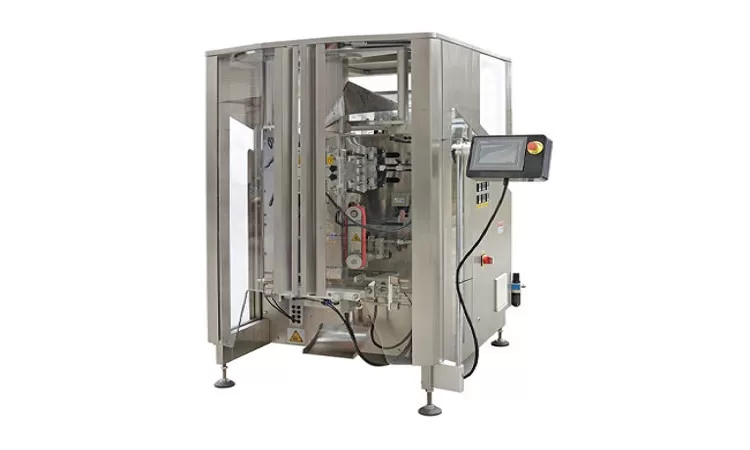
VFFS Equipment: The Ultimate Guide to Vertical Form Fill Seal Technology
13-03-2026 -
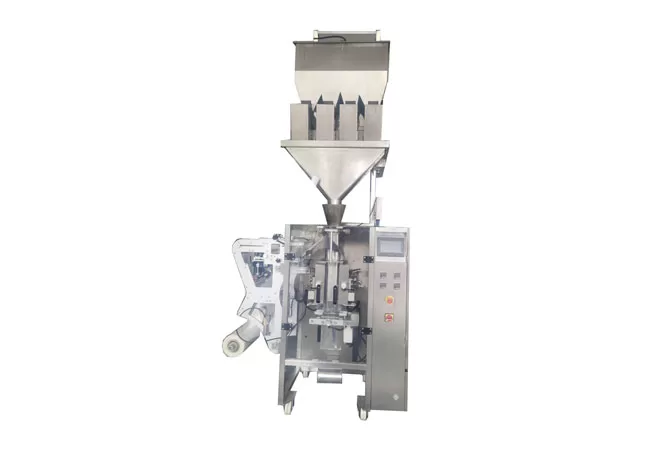
The Essential Guide to Weight Packing Machines for Precision Weighing
12-03-2026 -
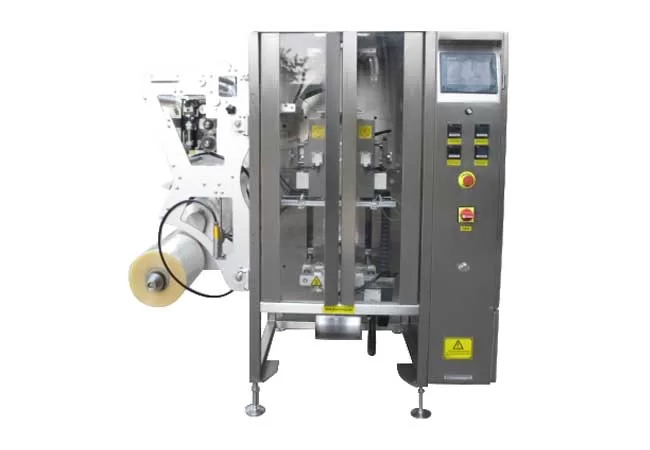
Power Packing Machine: The Ultimate Guide to Heavy-Duty Packaging Efficiency
11-03-2026 -
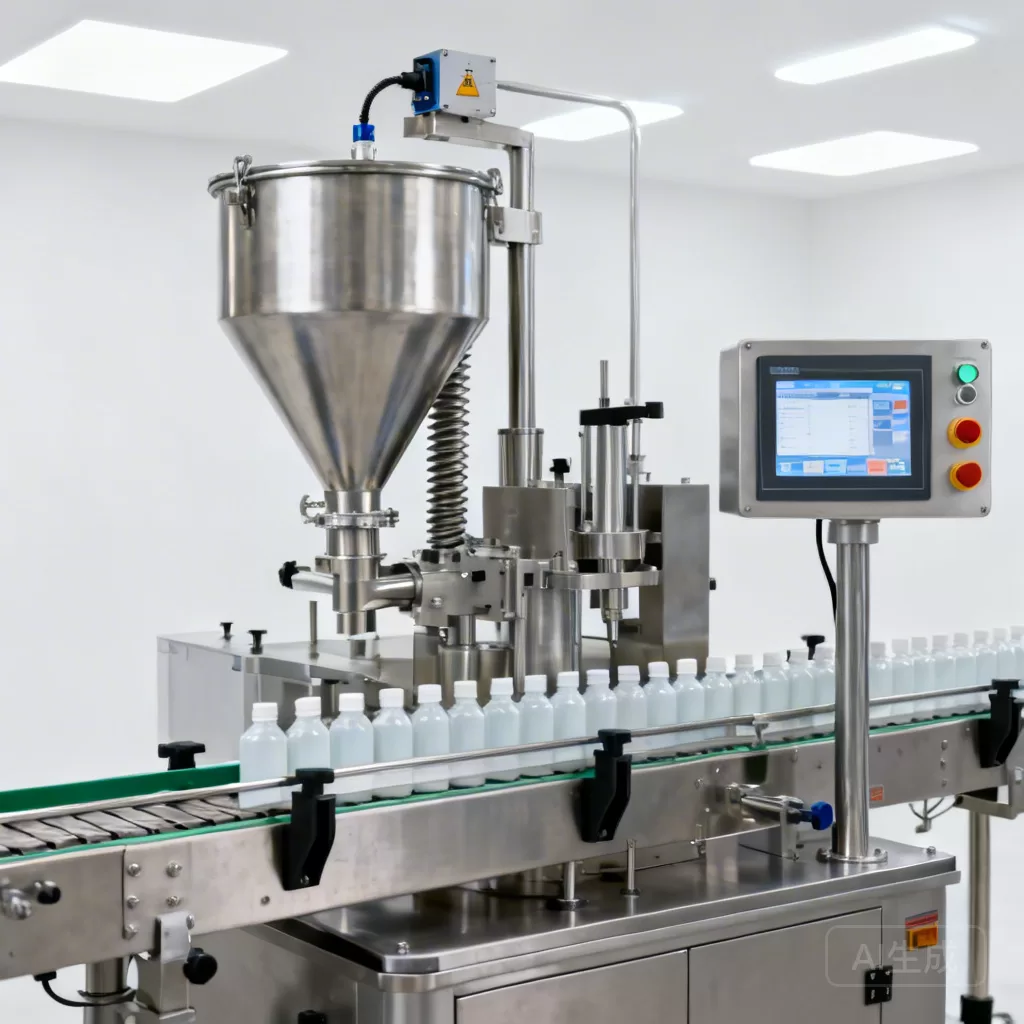
Weigher Packing Machine: The Definitive Guide to Precision Weighing & Packaging
10-03-2026 -
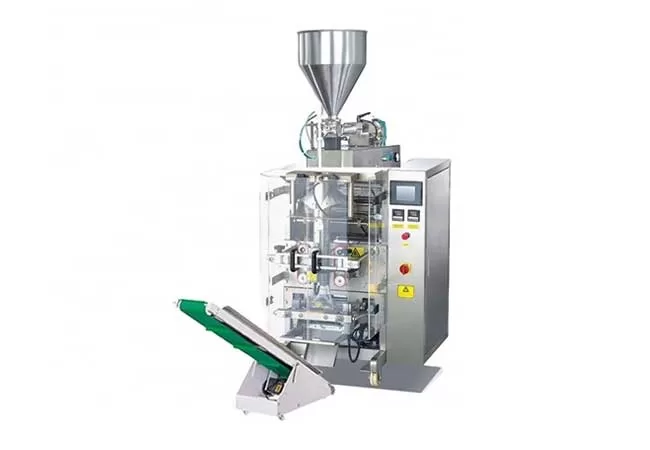
Auger Type Powder Filling Machine: The Ultimate Guide to Precision Packaging
09-03-2026 -
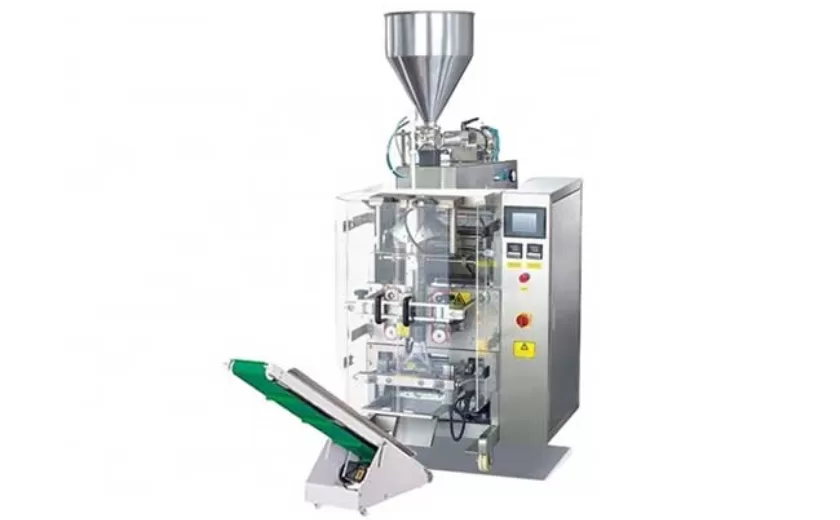
Advanced Packing Solutions: Snacks, Sugar, and Frozen Food Machines
29-10-2025 -
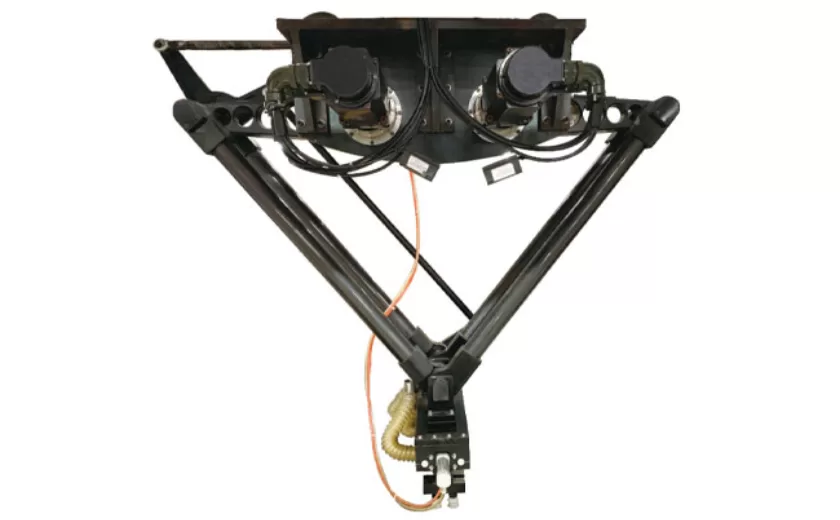
Efficient and Reliable Solutions for Salt, Nuts, and Frozen Dumplings Packing
29-10-2025 -
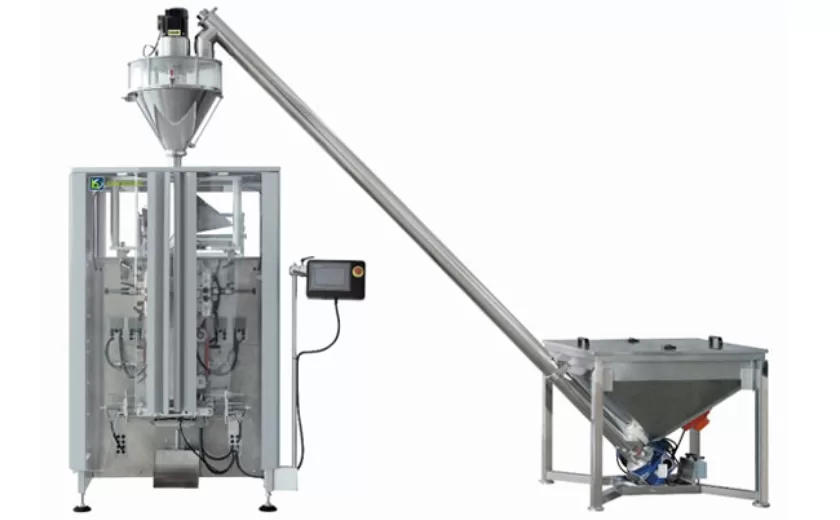
High-Performance Biscuits, Lollipop, and Ketchup Packing Machines for Modern Food Production
29-10-2025 -
Efficient Liquid Filling and Packing Machines for Modern Production
23-10-2025 -
Reliable Granule Packaging Machines for Efficient Production
23-10-2025
