
Common Challenges in Tomato Paste Packaging and How to Overcome Them
Tomato paste is a concentrated form of tomatoes that is used in a variety of culinary applications. It is a thick, viscous substance that is typically packaged in cans or tubes. However, tomato paste packaging can present a number of challenges, including:
Product spoilage
Tomato paste is a perishable product that can easily spoil if it is not properly packaged. The most common cause of spoilage is the growth of bacteria or mold. To prevent spoilage, tomato paste must be packaged in a way that prevents the entry of oxygen and moisture. This can be achieved by using airtight containers and by adding preservatives to the product.
Leakage
Tomato paste is a thick, viscous substance that can leak easily if the packaging is not properly sealed. Leakage can lead to spoilage and contamination of the product. To prevent leakage, tomato paste must be packaged in containers that are sturdy and have a tight seal.
Corrosion
Tomato paste is a acidic product that can cause corrosion of metal containers. This can lead to the formation of rust, which can contaminate the product and make it unsafe for consumption. To prevent corrosion, tomato paste must be packaged in containers that are made of non-corrosive materials, such as glass or plastic.
Discoloration
Tomato paste is a brightly colored product that can discolor over time. The most common cause of discoloration is exposure to light. To prevent discoloration, tomato paste must be packaged in containers that are opaque or that are protected from light.
Cost
Tomato paste packaging can be expensive. The cost of packaging can vary depending on the type of container used, the size of the package, and the number of packages required. To reduce the cost of packaging, it is important to choose the right type of container and to purchase the packages in bulk.
Environmental impact
Tomato paste packaging can have a negative impact on the environment. The most common type of packaging used for tomato paste is metal cans. Metal cans are not biodegradable and can end up in landfills. To reduce the environmental impact of tomato paste packaging, it is important to choose packaging that is biodegradable or that can be recycled.
How to overcome the challenges
The challenges of tomato paste packaging can be overcome by using the following strategies:
Use airtight containers to prevent spoilage.
Use sturdy containers with a tight seal to prevent leakage.
Use non-corrosive containers to prevent corrosion.
Use opaque containers or containers that are protected from light to prevent discoloration.
Choose the right type of container and purchase the packages in bulk to reduce the cost of packaging.
Choose packaging that is biodegradable or that can be recycled to reduce the environmental impact.
By following these strategies, you can ensure that your tomato paste is packaged safely and efficiently.


-
VFFS Equipment: The Ultimate Guide to Vertical Form Fill Seal Technology
13-03-2026 -
The Essential Guide to Weight Packing Machines for Precision Weighing
12-03-2026 -
Power Packing Machine: The Ultimate Guide to Heavy-Duty Packaging Efficiency
11-03-2026 -
Weigher Packing Machine: The Definitive Guide to Precision Weighing & Packaging
10-03-2026 -
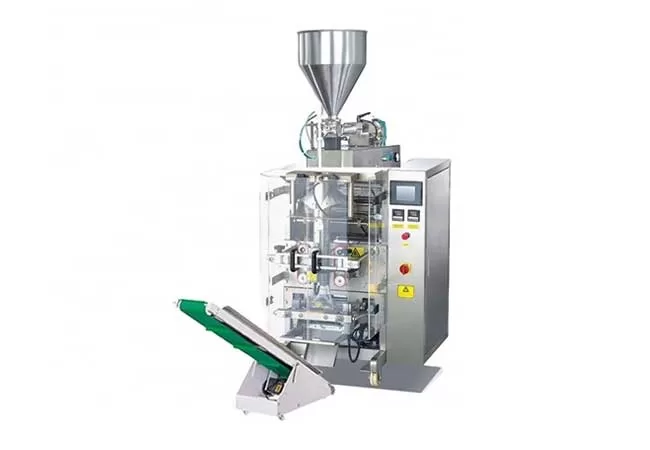
Auger Type Powder Filling Machine: The Ultimate Guide to Precision Packaging
09-03-2026 -
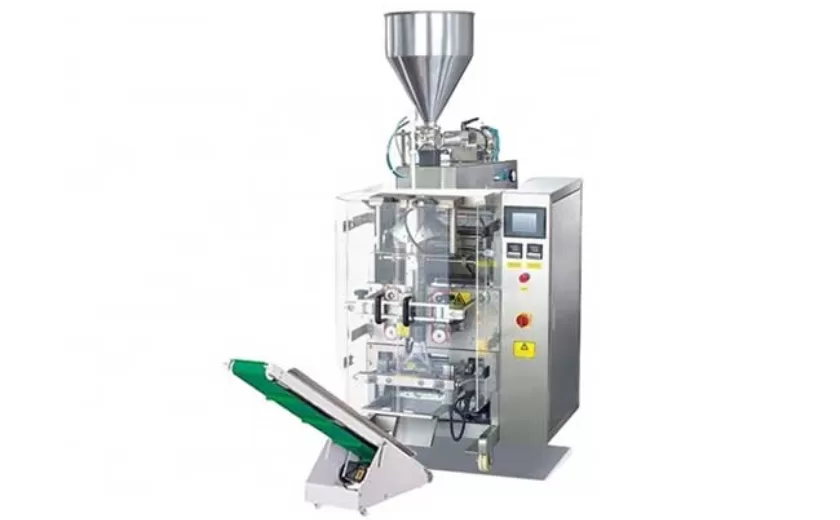
Advanced Packing Solutions: Snacks, Sugar, and Frozen Food Machines
29-10-2025 -
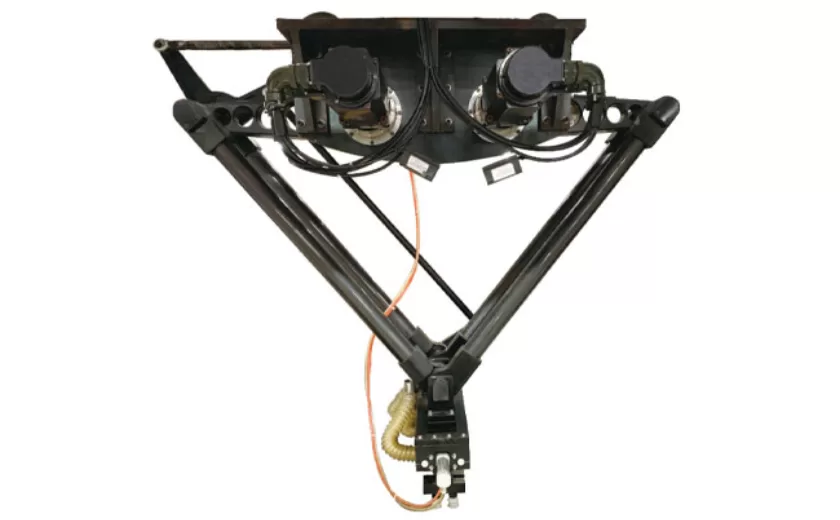
Efficient and Reliable Solutions for Salt, Nuts, and Frozen Dumplings Packing
29-10-2025 -
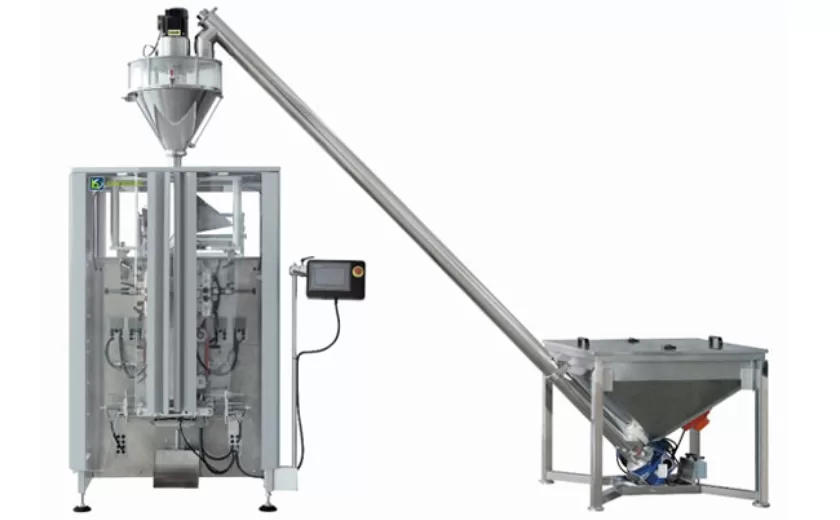
High-Performance Biscuits, Lollipop, and Ketchup Packing Machines for Modern Food Production
29-10-2025 -
Efficient Liquid Filling and Packing Machines for Modern Production
23-10-2025 -
Reliable Granule Packaging Machines for Efficient Production
23-10-2025
