
Best Practices for Operating Semi-Automatic Weigh Fillers
In food, pharmaceutical, and other industries, semi-automatic weigh fillers play a crucial role in ensuring accurate product dosing and packaging. Adhering to best practices in their operation is paramount for maintaining efficiency, accuracy, and compliance. This article explores the essential elements of operating semi-automatic weigh fillers effectively.
Prioritizing Equipment Setup
1. Thorough Inspection and Calibration: Before operating the weigh filler, meticulously inspect all components for any damage or wear. Conduct regular calibrations using certified weights to guarantee precise measurements.
2. Proper Feeding System: Ensure the feeding system is adequately designed to supply material to the weigh hopper consistently. Calibrate feed rates to match the filling requirements and prevent overflow or underfeeding.
Mastering Filling Procedures
1. Optimized Product Flow: Determine the ideal fill time for each product to achieve the desired fill weight. This involves fine-tuning the hopper gate opening, vibration settings, and discharge speed.
2. Stable Product Retention: Prevent premature discharge of product by adjusting the hopper’s geometry and ensuring a snug fit between the scale and filling nozzle.
3. Effective Cleaning and Sanitation: Implement regular cleaning and sanitation protocols to remove product residue and maintain hygienic filling conditions.
Monitoring and Troubleshooting
1. Real-Time Monitoring: Utilize data acquisition and monitoring systems to track fill weights and identify any deviations from target values. Set up alarms to alert operators of potential issues.
2. Prompt Corrective Actions: Quickly identify and rectify any filling errors or equipment malfunctions. Conduct root cause analysis to prevent recurrence of problems.
3. Operator Training and Proficiency: Provide comprehensive training to operators on proper operating procedures, troubleshooting techniques, and quality assurance practices. Encourage continuous skill development through refresher courses.
Optimizing Performance
1. Selecting the Right Filler: Choose a weigh filler that aligns with the specific product characteristics, packaging requirements, and production volume. Consider capacity, accuracy, and speed.
2. Precision Handling: Handle products delicately to avoid damage or contamination. Optimize the filling environment by controlling temperature, humidity, and vibration.
3. Continuous Process Improvement: Implement lean manufacturing principles and employ process mapping tools to identify and eliminate inefficiencies. Seek continuous feedback from operators and supervisors to enhance operations.
Ensuring Compliance and Safety
1. Adherence to Regulations: Comply with industry regulations and best practices for food safety, product labeling accuracy, and GMP (Good Manufacturing Practices).
2. Workplace Safety: Provide proper safety training to operators and maintain a safe work environment. Ensure adequate ventilation and lockout/tagout procedures are in place.
By following these best practices, manufacturers can optimize the operation of their semi-automatic weigh fillers, ensuring precise product dosing, efficient packaging, and compliance with quality and regulatory standards. Regular review and continuous improvement efforts ensure optimal performance and the delivery of high-quality products.


-
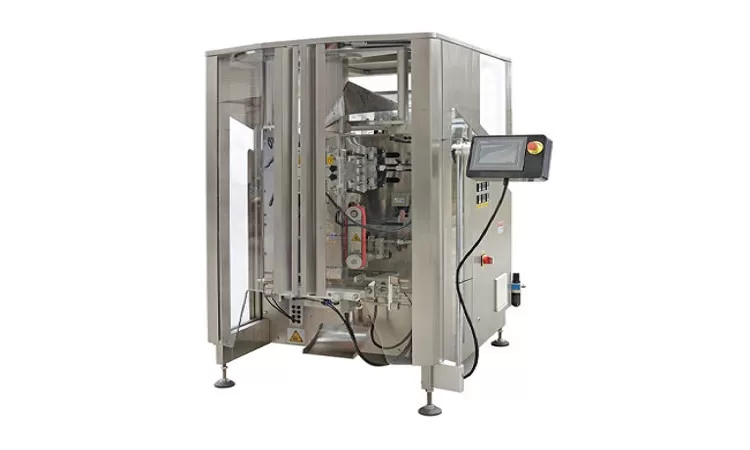
VFFS Equipment: The Ultimate Guide to Vertical Form Fill Seal Technology
13-03-2026 -
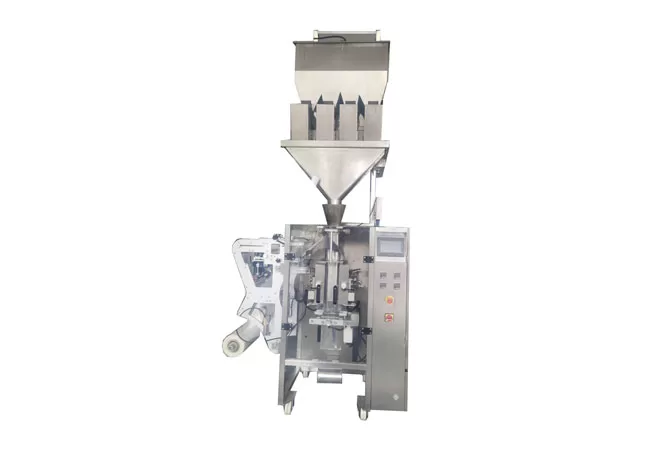
The Essential Guide to Weight Packing Machines for Precision Weighing
12-03-2026 -
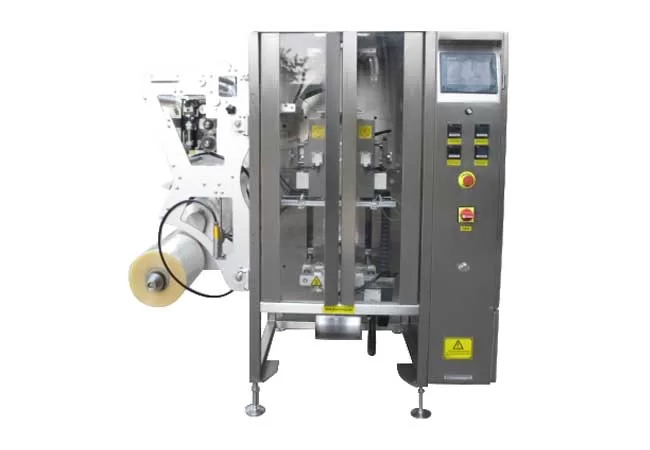
Power Packing Machine: The Ultimate Guide to Heavy-Duty Packaging Efficiency
11-03-2026 -
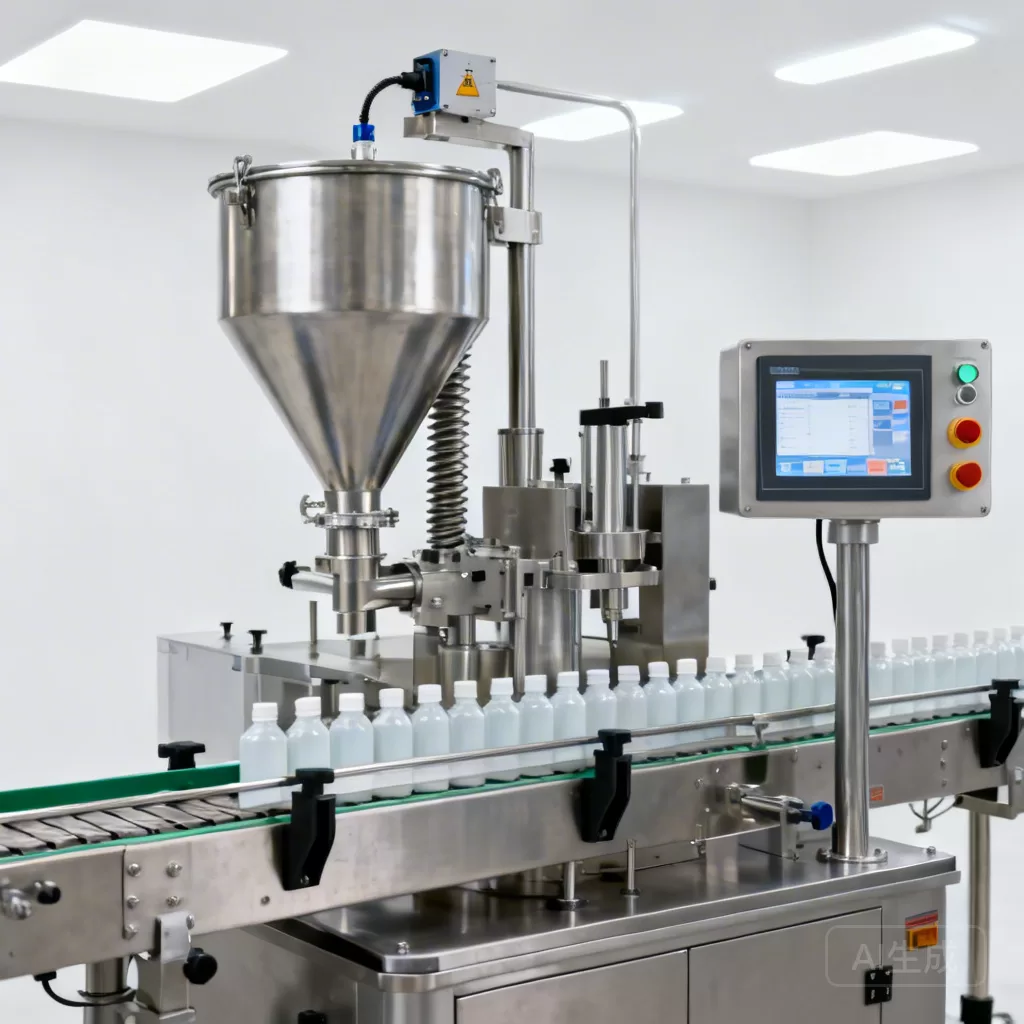
Weigher Packing Machine: The Definitive Guide to Precision Weighing & Packaging
10-03-2026 -
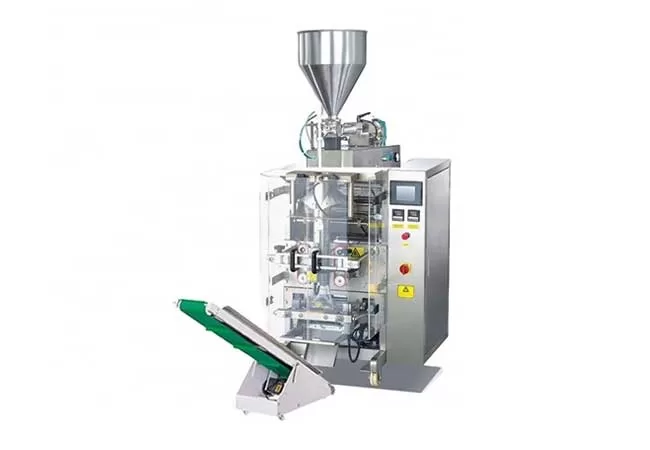
Auger Type Powder Filling Machine: The Ultimate Guide to Precision Packaging
09-03-2026 -
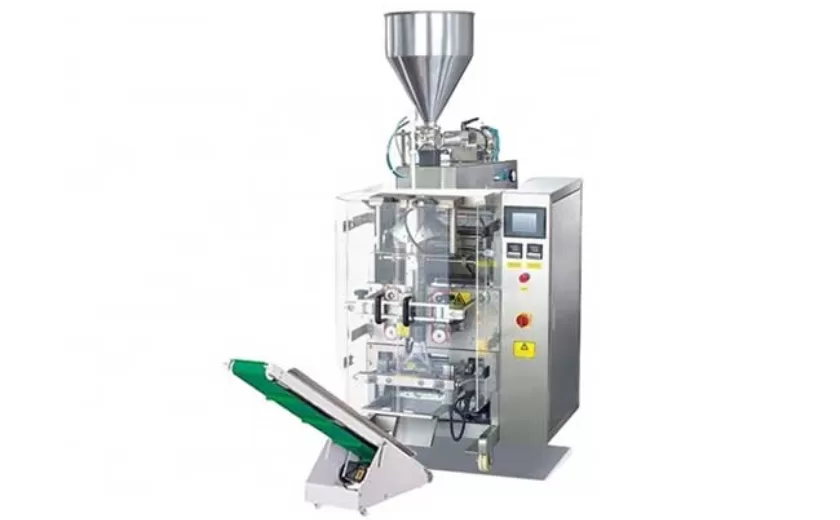
Advanced Packing Solutions: Snacks, Sugar, and Frozen Food Machines
29-10-2025 -
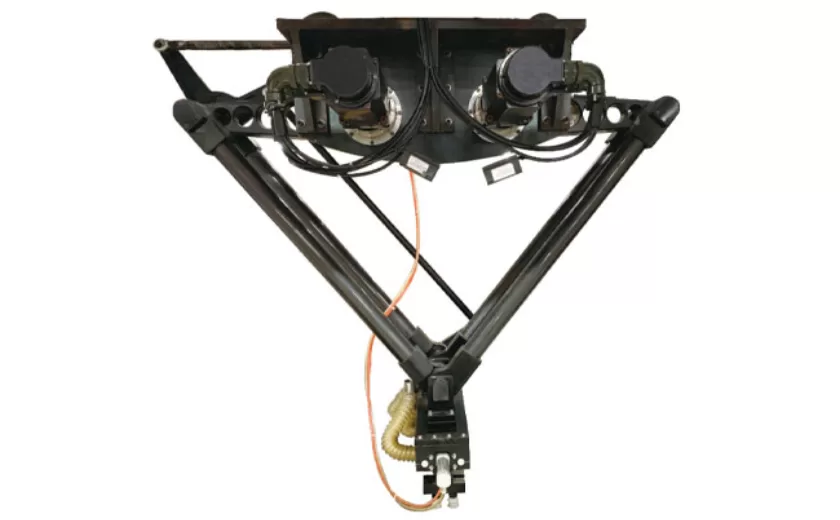
Efficient and Reliable Solutions for Salt, Nuts, and Frozen Dumplings Packing
29-10-2025 -
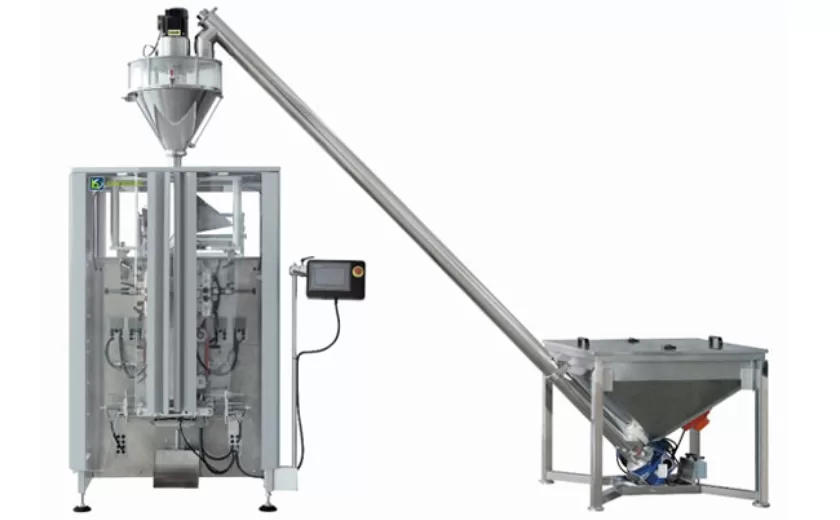
High-Performance Biscuits, Lollipop, and Ketchup Packing Machines for Modern Food Production
29-10-2025 -
Efficient Liquid Filling and Packing Machines for Modern Production
23-10-2025 -
Reliable Granule Packaging Machines for Efficient Production
23-10-2025
