
Best Practices for Operating Multi-Head Weighing Machines
In today’s fast-paced manufacturing environment, accuracy, efficiency, and reliability are critical for seamless production processes. Multi-head weighing machines play a pivotal role in various industries, ensuring precise and consistent product weighing for packaging and other applications. To maximize their performance and longevity, it is essential to adhere to established best practices for operating these machines.
Calibration and Maintenance
Regular calibration and maintenance are paramount to ensure accurate and consistent weighing results. Calibrate the machine according to the manufacturer’s instructions using certified weights. Schedule routine maintenance tasks, such as cleaning, lubrication, and component inspections, to prevent breakdowns and ensure optimal performance.
Product Handling
Proper product handling is crucial to avoid potential inaccuracies. Ensure that products entering the weighing zone are free from foreign objects, debris, or excessive moisture that could affect their weight. Use dedicated product conveyors or chutes designed specifically for the machine to ensure proper product flow and minimize product damage.
Environmental Conditions
The environment where the multi-head weighing machine operates can significantly impact its performance. Maintain a stable temperature and humidity within the specified operating range to avoid fluctuations in product weight due to temperature variations. Protect the machine from excessive vibration, dust, and moisture that could compromise its accuracy.
Line Integration
Seamless integration with other production line components is essential for maximum efficiency. Ensure that the multi-head weighing machine is properly synchronized with upstream and downstream equipment, such as conveyors, fillers, and packaging machines. This integration helps maintain a smooth and continuous production flow.
Operator Training
Proper training of machine operators is crucial for safe and efficient operation. Train operators on the machine’s functions, calibration procedures, maintenance schedules, and troubleshooting techniques. Ensure that operators understand the importance of following established best practices to maximize the machine’s performance and longevity.
Data Monitoring and Analysis
Monitoring and analyzing data from the weighing machine can provide valuable insights into its performance and product quality. Utilize data logging capabilities to track critical parameters, such as average weight, standard deviation, and reject rates. Regular analysis of this data can identify potential issues, optimize machine settings, and improve overall product consistency.
Adhering to best practices for operating multi-head weighing machines is essential to maintain accuracy, efficiency, and reliability in production processes. By following these guidelines, manufacturers can minimize downtime, reduce waste, and enhance product quality. Regular calibration, proper product handling, a stable environment, seamless line integration, operator training, and data monitoring can help ensure that multi-head weighing machines deliver consistent and reliable performance, ultimately contributing to the success of manufacturing operations.


-
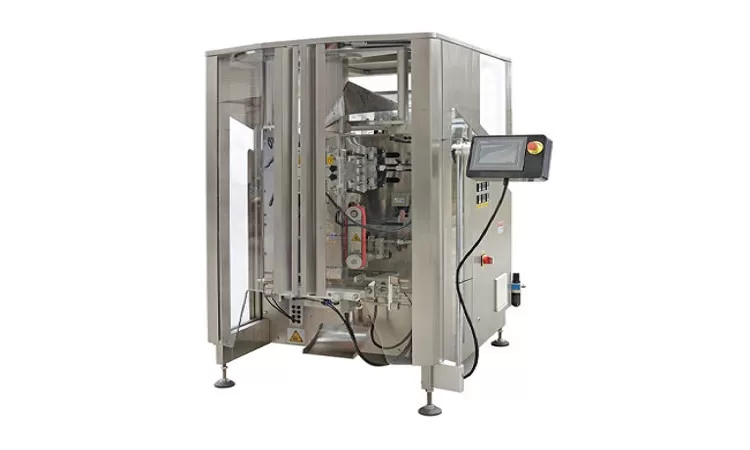
VFFS Equipment: The Ultimate Guide to Vertical Form Fill Seal Technology
13-03-2026 -
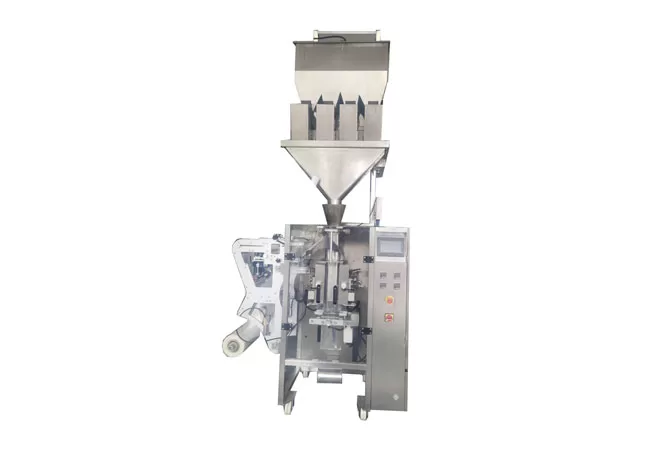
The Essential Guide to Weight Packing Machines for Precision Weighing
12-03-2026 -
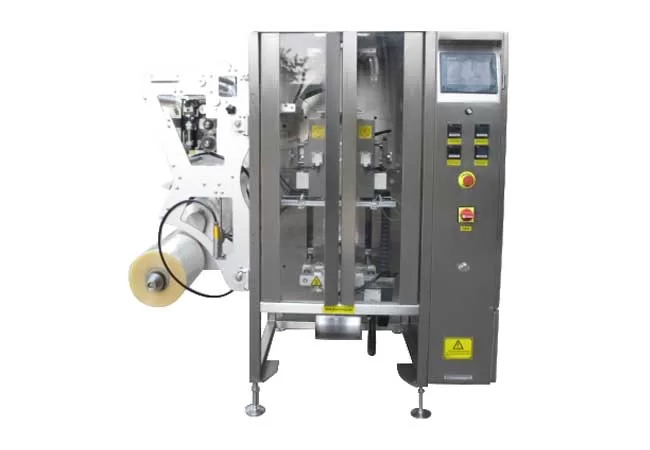
Power Packing Machine: The Ultimate Guide to Heavy-Duty Packaging Efficiency
11-03-2026 -
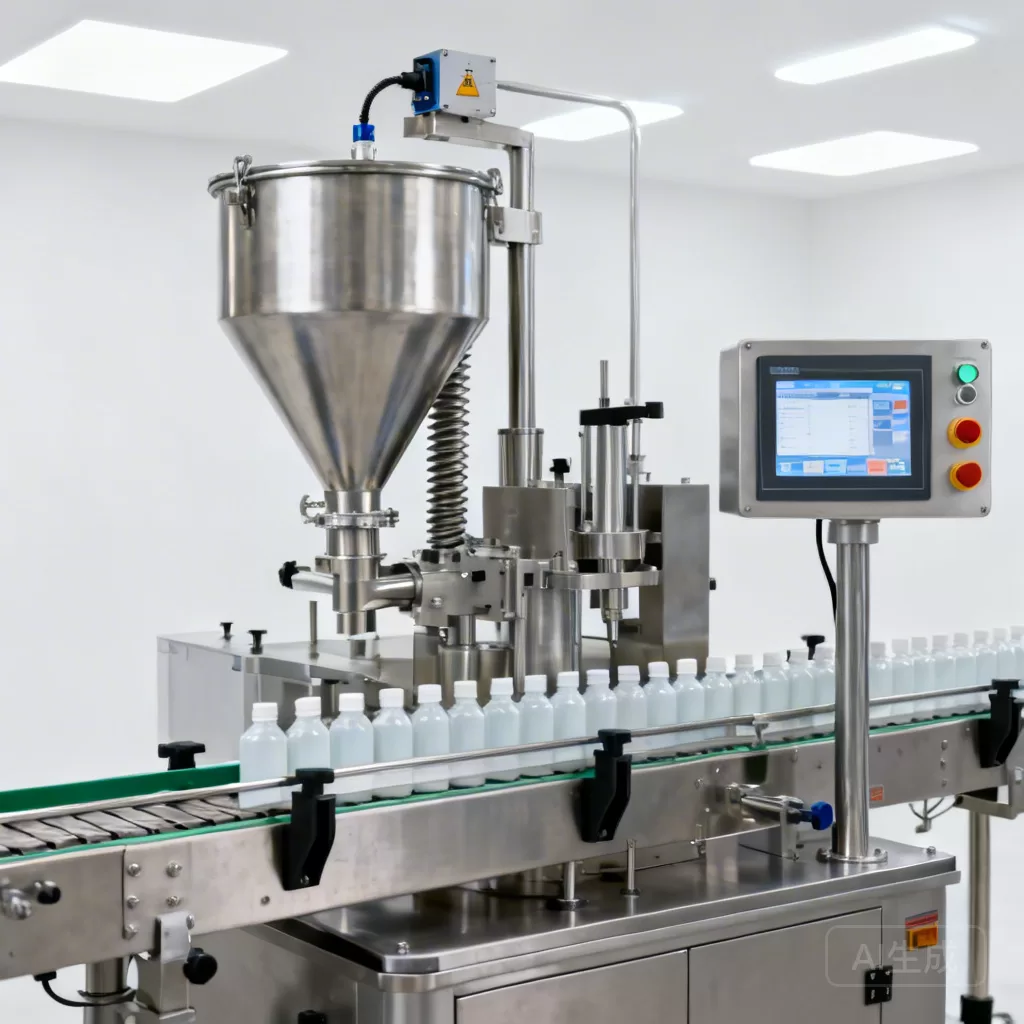
Weigher Packing Machine: The Definitive Guide to Precision Weighing & Packaging
10-03-2026 -
Auger Type Powder Filling Machine: The Ultimate Guide to Precision Packaging
09-03-2026 -
Advanced Packing Solutions: Snacks, Sugar, and Frozen Food Machines
29-10-2025 -
Efficient and Reliable Solutions for Salt, Nuts, and Frozen Dumplings Packing
29-10-2025 -
High-Performance Biscuits, Lollipop, and Ketchup Packing Machines for Modern Food Production
29-10-2025 -
Efficient Liquid Filling and Packing Machines for Modern Production
23-10-2025 -
Reliable Granule Packaging Machines for Efficient Production
23-10-2025
