
Best Practices for Operating and Maintaining a Multi-Head Weighing Machine
Amidst the complexities of industrial packaging, multi-head weighing machines stand as precise and efficient solutions for accurate product distribution. To ensure optimal performance and longevity of these machines, adhering to best practices for operation and maintenance is crucial. This article delves into the essential guidelines for maximizing the effectiveness and lifespan of multi-head weighing machines.
Proper Operation
1. Regular Cleaning: Accumulated dust, debris, and spillage can interfere with the machine’s operation. Regularly clean all surfaces, including weighing pans, feed hoppers, and discharge chutes, to prevent contamination and ensure accuracy.
2. Optimal Calibration: Over time, wear and tear can affect the machine’s calibration. Conduct periodic calibrations using certified weights to maintain precision within the specified tolerance limits.
3. Consistent Product Flow: Irregular product flow can lead to weighing errors. Ensure a steady supply of product to the hoppers and monitor the flow rate to prevent interruptions.
Preventive Maintenance
1. Regular Lubrication: Moving parts require lubrication to reduce friction and prolong component life. Follow the manufacturer’s recommendations for lubrication intervals and use the specified lubricants.
2. Air Compressor Maintenance: The air compressor provides the air supply for the machine’s actuators. Regularly check the compressor for leaks, clean filters, and drain moisture to ensure proper operation.
3. Belt Inspection: Belts transmit power and motion within the machine. Inspect belts regularly for cracks, wear, or loose tension. Replace belts as needed to prevent failures and downtime.
Troubleshooting
1. Weighing Inaccuracy: Inaccurate weighing can be caused by various factors, including poor calibration, improper product flow, or sensor malfunctions. Check and rectify these issues to restore accuracy.
2. Product Jams: Product jams can occur due to blockages or irregular product characteristics. Identify the cause of the jam and implement measures to prevent it from recurring.
3. Electrical Faults: Electrical faults can lead to machine malfunctions. Conduct regular electrical inspections, visually checking for loose connections, burnt components, or damaged wires.
Training and Documentation
1. Operator Training: Well-trained operators can minimize errors and maximize machine efficiency. Provide comprehensive training on safe operation, troubleshooting, and maintenance procedures.
2. Maintenance Logs: Detailed maintenance logs should be kept to track all maintenance activities, including cleaning, lubrication, and calibrations. These logs serve as a valuable resource for future troubleshooting and maintenance scheduling.
Compliance and Safety
1. Regulatory Compliance: Comply with all applicable regulations and standards for food safety, hygiene, and occupational safety related to the operation and maintenance of multi-head weighing machines.
2. Operator Safety: Ensure operators are equipped with appropriate safety gear, such as gloves, earplugs, and safety glasses. Conduct regular safety training to raise awareness of potential hazards and proper safety protocols.
By adhering to these best practices, manufacturers can significantly enhance the performance, reliability, and longevity of their multi-head weighing machines. Consistent operation, preventive maintenance, and proactive troubleshooting ensure accurate and efficient weighing, contributing to increased productivity and reduced downtime.


-
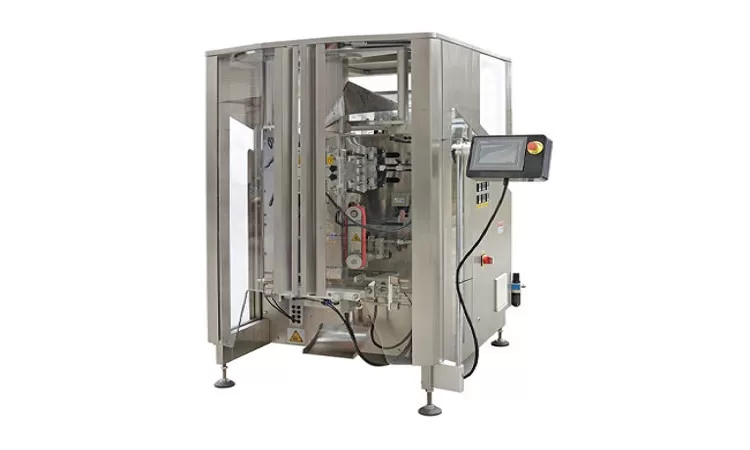
VFFS Equipment: The Ultimate Guide to Vertical Form Fill Seal Technology
13-03-2026 -
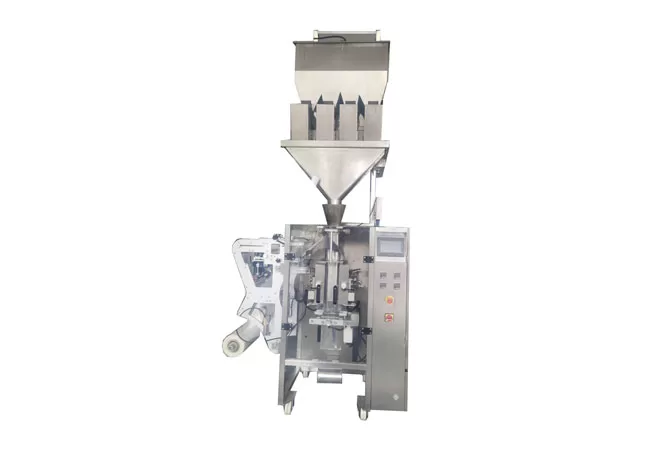
The Essential Guide to Weight Packing Machines for Precision Weighing
12-03-2026 -
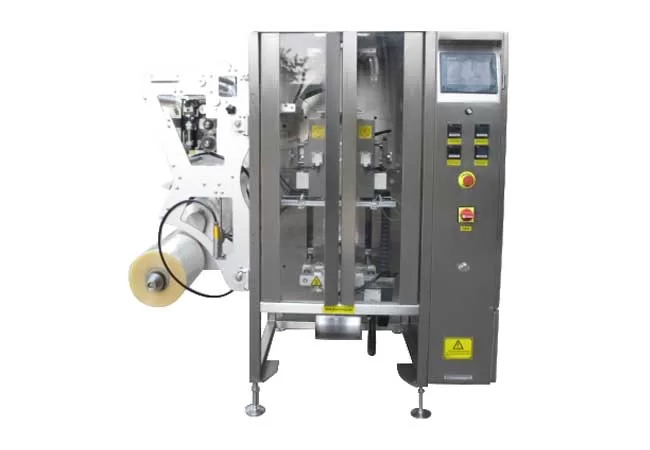
Power Packing Machine: The Ultimate Guide to Heavy-Duty Packaging Efficiency
11-03-2026 -

Weigher Packing Machine: The Definitive Guide to Precision Weighing & Packaging
10-03-2026 -
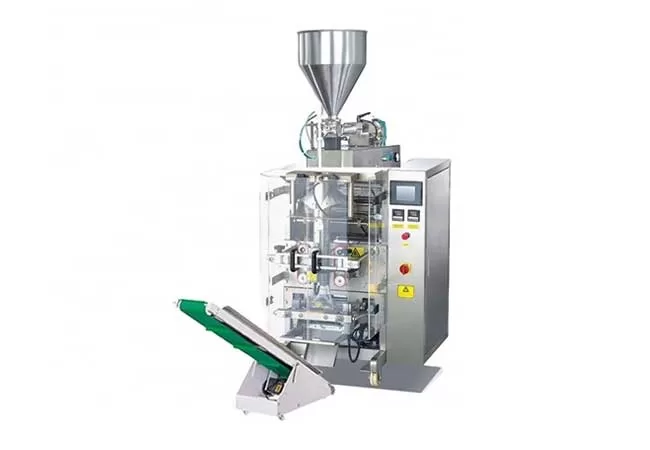
Auger Type Powder Filling Machine: The Ultimate Guide to Precision Packaging
09-03-2026 -
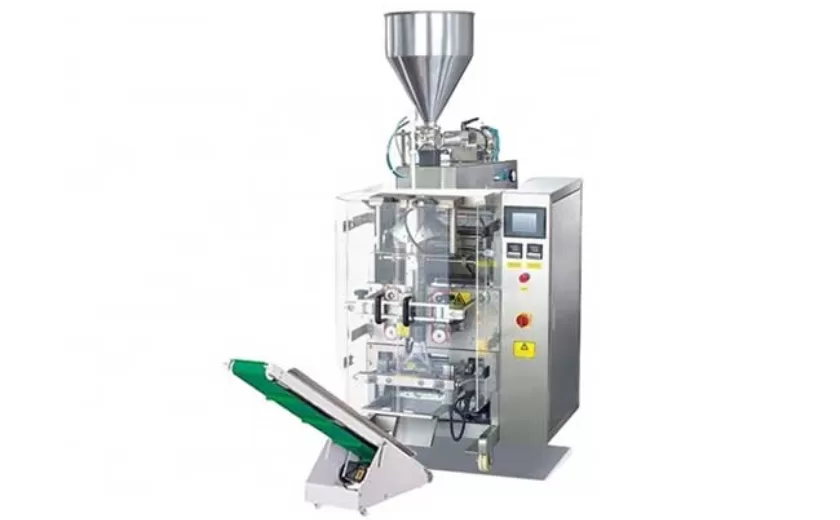
Advanced Packing Solutions: Snacks, Sugar, and Frozen Food Machines
29-10-2025 -
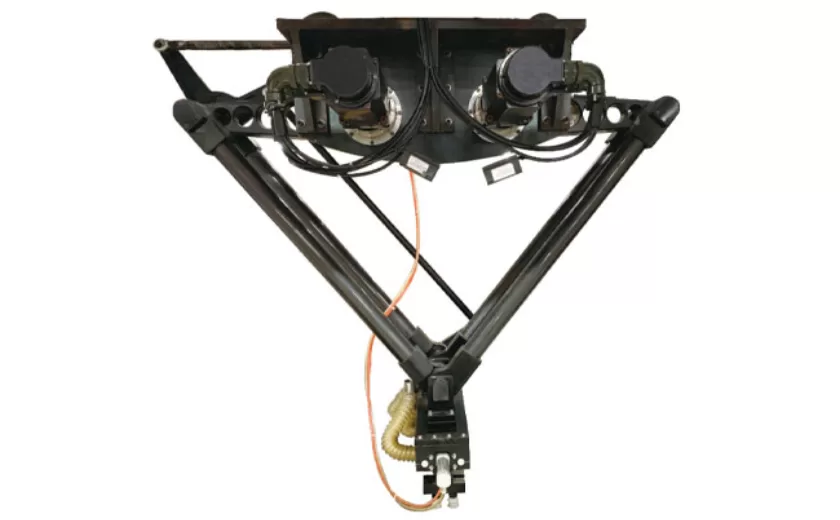
Efficient and Reliable Solutions for Salt, Nuts, and Frozen Dumplings Packing
29-10-2025 -
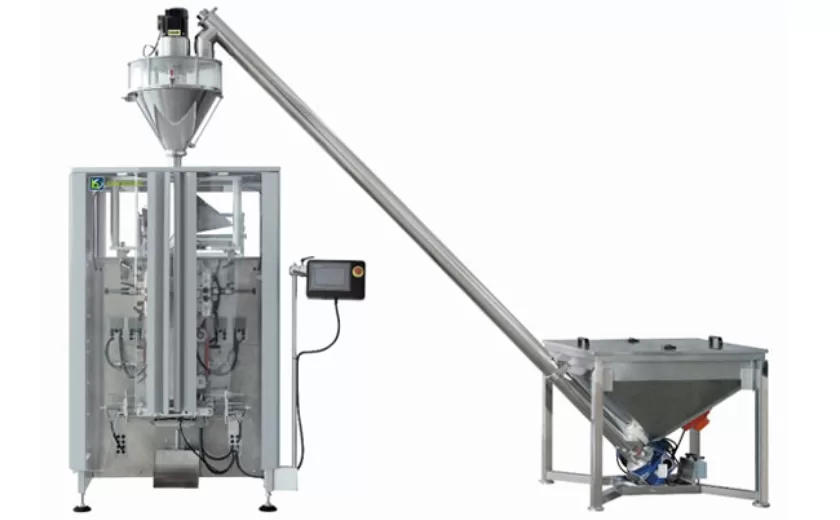
High-Performance Biscuits, Lollipop, and Ketchup Packing Machines for Modern Food Production
29-10-2025 -
Efficient Liquid Filling and Packing Machines for Modern Production
23-10-2025 -
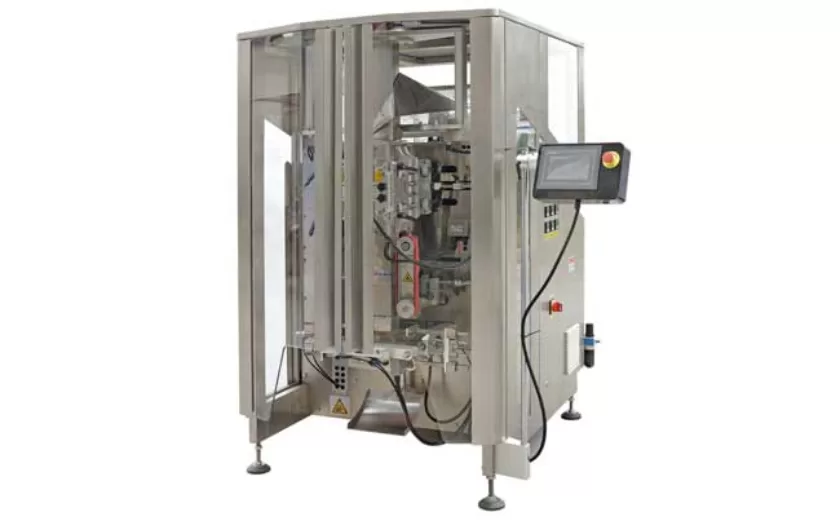
Reliable Granule Packaging Machines for Efficient Production
23-10-2025
