
Best Practices for Integrating a 10-Head Multihead Weigher into Your Production Line
Automating the weighing and packaging process is essential for modern production lines to improve efficiency and accuracy. Integrating a 10-head multihead weigher offers numerous benefits but requires careful planning and execution to maximize its potential. This article outlines best practices for successfully integrating a 10-head multihead weigher into your production line, ensuring seamless operation and optimal results.
1. Define Production Goals and Requirements
Before investing in a multihead weigher, clearly define your production goals and specific weighing requirements. Consider factors such as target weight, accuracy, speed, and product characteristics. This information will guide the selection of the appropriate weigher model and ensure it meets your specific needs and application.
2. Select the Right Weigher Model
10-head multihead weighers come in various sizes and configurations. Choose a model that aligns with your production capacity, product size, and target weight range. Consider factors such as weighing speed, vibration level, and ease of maintenance to optimize the weigher’s performance within your production line.
3. Plan the Production Line Layout
Integrating the weigher into your existing production line requires careful planning of the layout. Ensure that there is adequate space for the weigher, product infeed and discharge conveyors, and any required peripherals. The layout should minimize product damage, optimize workflow, and facilitate routine maintenance.
4. Optimize Product Feeding
The efficiency and accuracy of the weigher heavily rely on the consistency of product feeding. Utilize a vibratory feeder or other product handling equipment to ensure a steady and uniform product flow onto the weigher. Proper feeder settings minimize product bridging, ensuring accurate and consistent weighing.
5. Calibrate and Test the Weigher
Before putting the weigher into operation, perform thorough calibration and testing procedures. Use certified weights to ensure accuracy and repeatability. Conduct test runs with actual products to fine-tune settings and verify the weigher’s performance under real-world conditions.
6. Train Operators and Maintenance Staff
Provide comprehensive training to operators and maintenance staff to ensure the weigher is operated and maintained correctly. Train them on proper operating procedures, troubleshooting techniques, and routine maintenance tasks. Regular training enhances the longevity of the weigher and ensures optimal performance.
7. Implement Quality Control Measures
Establish quality control measures to monitor the weigher’s performance and product quality. Regularly check the weight accuracy and conduct random product inspections to ensure the weigher is meeting specifications. Utilize software or manual methods to record and analyze weighing data, identifying any potential issues or trends.
Conclusion
Integrating a 10-head multihead weigher into your production line requires attention to detail and adherence to best practices. By following these guidelines, manufacturers can optimize the integration process, ensuring seamless operation, increased productivity, and consistent product quality. A well-integrated weigher becomes an indispensable tool in modern packaging lines, contributing significantly to efficiency and profitability.


-
VFFS Equipment: The Ultimate Guide to Vertical Form Fill Seal Technology
13-03-2026 -
The Essential Guide to Weight Packing Machines for Precision Weighing
12-03-2026 -
Power Packing Machine: The Ultimate Guide to Heavy-Duty Packaging Efficiency
11-03-2026 -
Weigher Packing Machine: The Definitive Guide to Precision Weighing & Packaging
10-03-2026 -
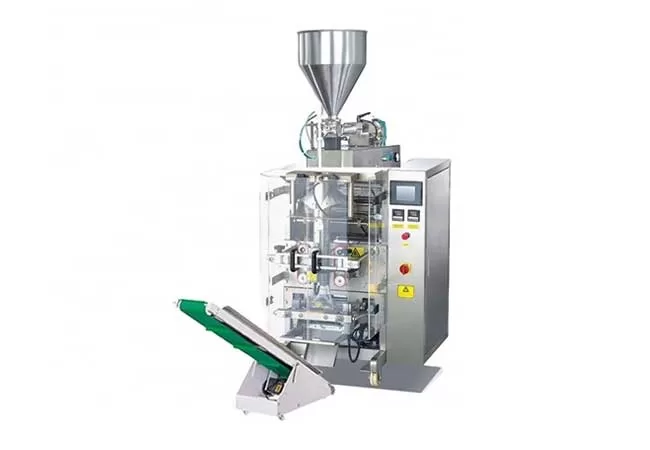
Auger Type Powder Filling Machine: The Ultimate Guide to Precision Packaging
09-03-2026 -
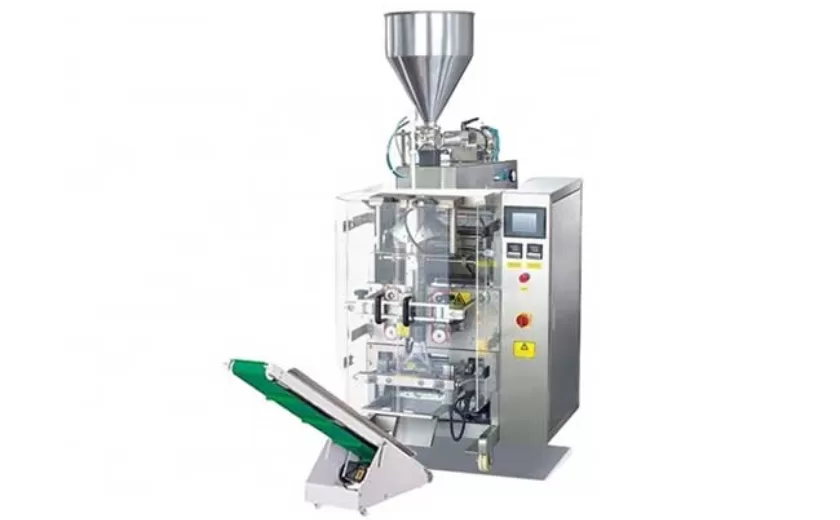
Advanced Packing Solutions: Snacks, Sugar, and Frozen Food Machines
29-10-2025 -
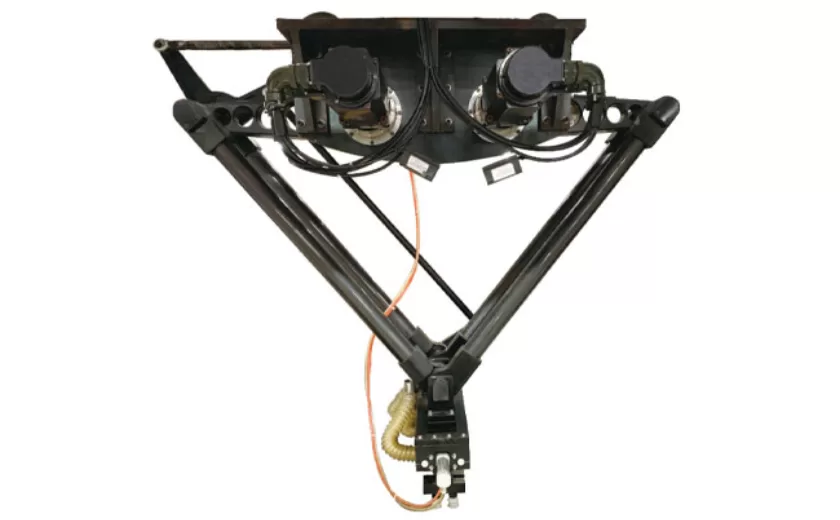
Efficient and Reliable Solutions for Salt, Nuts, and Frozen Dumplings Packing
29-10-2025 -
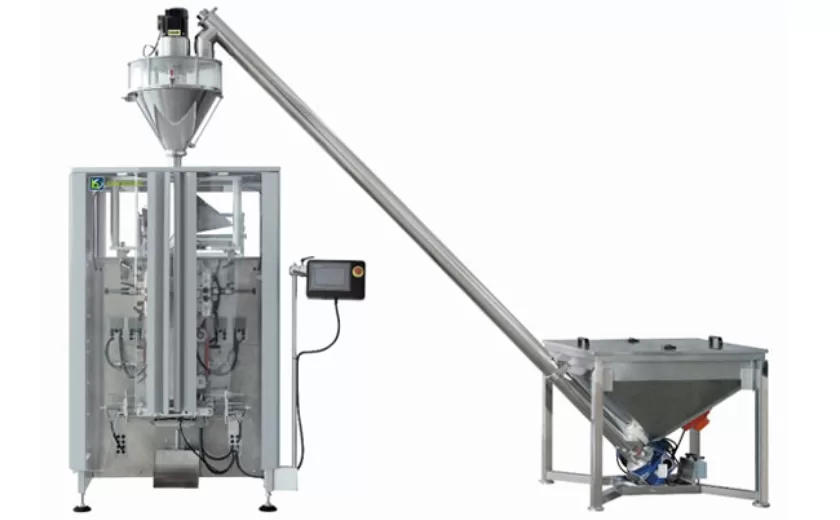
High-Performance Biscuits, Lollipop, and Ketchup Packing Machines for Modern Food Production
29-10-2025 -
Efficient Liquid Filling and Packing Machines for Modern Production
23-10-2025 -
Reliable Granule Packaging Machines for Efficient Production
23-10-2025
