
A Deep Dive into Vertical Wrapping Machine Components
In today’s fast-paced manufacturing environment, efficient and reliable packaging solutions are crucial for businesses to optimize their operations. Vertical wrapping machines are indispensable in this regard, providing exceptional efficiency and versatility in packaging a wide range of products. A thorough understanding of their components is essential for maximizing their effectiveness and longevity.
Structure and Design
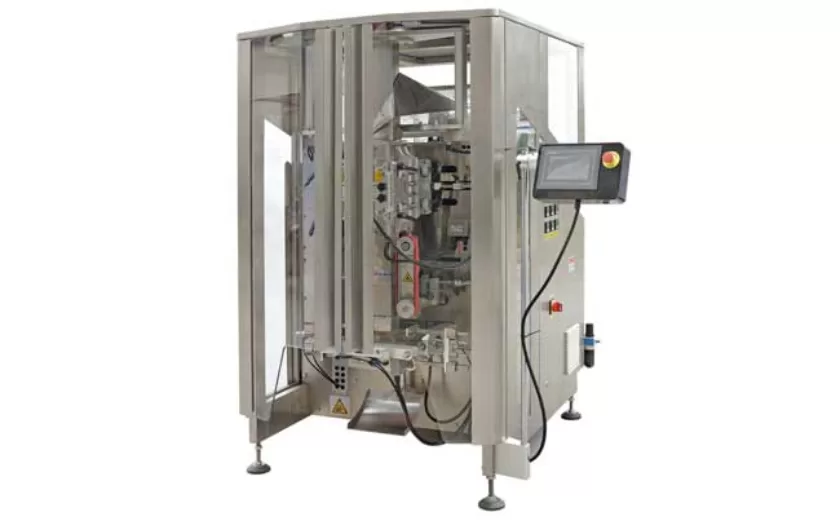
A vertical wrapping machine comprises a sturdy frame that houses the various components. The main body houses the electrical and mechanical systems, while the front and rear panels provide access for maintenance and operation. The machine’s height and width are adjustable to accommodate different package sizes.
Film Handling System
The film handling system is responsible for feeding, guiding, and cutting the packaging film. It consists of a film unwinder, tension control system, and sealing mechanism. The unwinder unwinds the film roll and maintains the tension to ensure a smooth flow. The tension control system regulates the film tension to prevent tearing or stretching. The sealing mechanism utilizes heat or adhesives to seal the package.
Feeding System
The feeding system conveys the product into the packaging zone. It can be a manual conveyor, hopper, or automated system. The conveyor moves the product in a controlled manner, ensuring consistent packaging results. Hoppers or automated systems can handle bulk products or items requiring specific orientation.
Sealing System
The sealing system creates a hermetic seal around the packaged product. It consists of sealing bars or rollers that apply heat or pressure to the film, creating a secure and tamper-evident seal. The sealing temperature, pressure, and dwell time are adjustable to accommodate different film materials and product characteristics.
Control System
The control system orchestrates the entire packaging process. It includes a programmable logic controller (PLC), human-machine interface (HMI), and sensors. The PLC manages the machine’s sequence of operations, while the HMI provides a user-friendly interface for machine setup and operation. Sensors monitor machine functions, such as temperature, pressure, and film tension, ensuring optimal performance.
Safety Features
Vertical wrapping machines prioritize operator safety. They incorporate safety guards, interlocks, and emergency stop buttons to prevent accidents. Safety guards protect operators from moving parts, while interlocks prevent the machine from operating with open guards or improper conditions. Emergency stop buttons allow operators to halt machine operation in case of emergencies.
By delving into the components of a vertical wrapping machine, we gain a profound understanding of their functionality and importance in the packaging process. Each component plays a vital role in ensuring efficient and reliable operation. By maintaining and optimizing these components, businesses can maximize the lifespan of their machines and achieve exceptional packaging results.


-
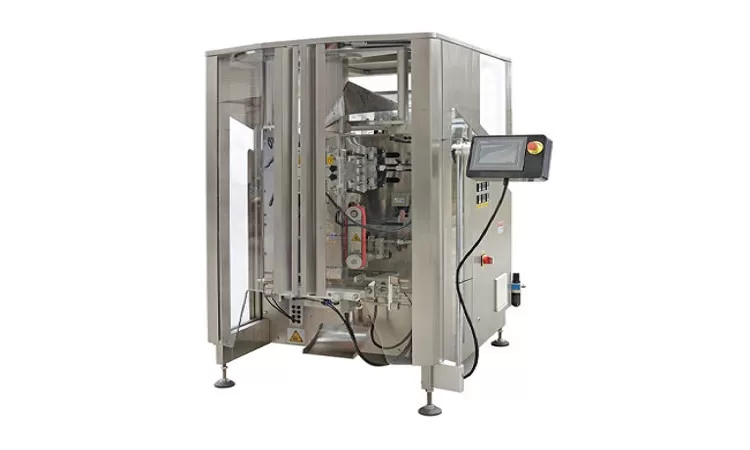
VFFS Equipment: The Ultimate Guide to Vertical Form Fill Seal Technology
13-03-2026 -
The Essential Guide to Weight Packing Machines for Precision Weighing
12-03-2026 -
Power Packing Machine: The Ultimate Guide to Heavy-Duty Packaging Efficiency
11-03-2026 -
Weigher Packing Machine: The Definitive Guide to Precision Weighing & Packaging
10-03-2026 -
Auger Type Powder Filling Machine: The Ultimate Guide to Precision Packaging
09-03-2026 -
Advanced Packing Solutions: Snacks, Sugar, and Frozen Food Machines
29-10-2025 -
Efficient and Reliable Solutions for Salt, Nuts, and Frozen Dumplings Packing
29-10-2025 -
High-Performance Biscuits, Lollipop, and Ketchup Packing Machines for Modern Food Production
29-10-2025 -
Efficient Liquid Filling and Packing Machines for Modern Production
23-10-2025 -
Reliable Granule Packaging Machines for Efficient Production
23-10-2025
