
A Beginner’s Guide to Operating Automatic Weight Filling Machines
A Beginner’s Guide to Operating Automatic Weight Filling Machines
Introduction
Automatic weight filling machines are essential tools in a wide range of industries, from food and beverage to pharmaceuticals and chemicals. These machines provide a faster, more accurate, and more efficient way to fill containers with a consistent weight of product. If you’re new to operating an automatic weight filling machine, this guide will provide you with the essential information you need to get started.
Basic Principles of Operation
Automatic weight filling machines work by using a load cell to measure the weight of the product being filled into a container. The machine then adjusts the filling process to ensure that each container is filled to the desired weight. The machine can be programmed to fill containers of different sizes and weights, and can handle a variety of liquids, solids, and powders.
Types of Automatic Weight Filling Machines
There are different types of automatic weight filling machines available, each designed for a specific type of product and application. Some of the most common types of weight filling machines include:
– Net weight fillers: These machines fill containers to a specific target weight, regardless of the volume of the product.
– Gross weight fillers: These machines fill containers to a specific total weight, including the weight of the container itself.
– Volumetric fillers: These machines fill containers to a specific volume, regardless of the weight of the product.
Operating an Automatic Weight Filling Machine
Once you have selected the right type of weight filling machine for your application, you’ll need to learn how to operate it properly. Here are the basic steps:
1. Prepare the machine: Clean and inspect the machine, and make sure that all of the components are in good working order.
2. Program the machine: Enter the target weight, container size, and other relevant parameters into the machine’s computer.
3. Calibrate the machine: Run a few test runs to ensure that the machine is filling containers to the correct weight.
4. Operate the machine: Start the filling process and monitor the machine to ensure that it is operating properly.
5. Inspect the filled containers: After the filling process is complete, inspect the containers to ensure that they are filled to the correct weight and that there are no leaks or other defects.
Maintenance and Troubleshooting
Regular maintenance is essential to keep your automatic weight filling machine running smoothly. Some of the most important maintenance tasks include:
– Cleaning: Clean the machine regularly to remove any product residue or debris that could interfere with its operation.
– Lubrication: Lubricate the machine’s moving parts to reduce wear and tear.
– Calibration: Calibrate the machine regularly to ensure that it is filling containers to the correct weight.
If you experience any problems with your automatic weight filling machine, refer to the troubleshooting guide in the machine’s user manual. If you cannot resolve the problem on your own, contact the machine’s manufacturer for assistance.


-
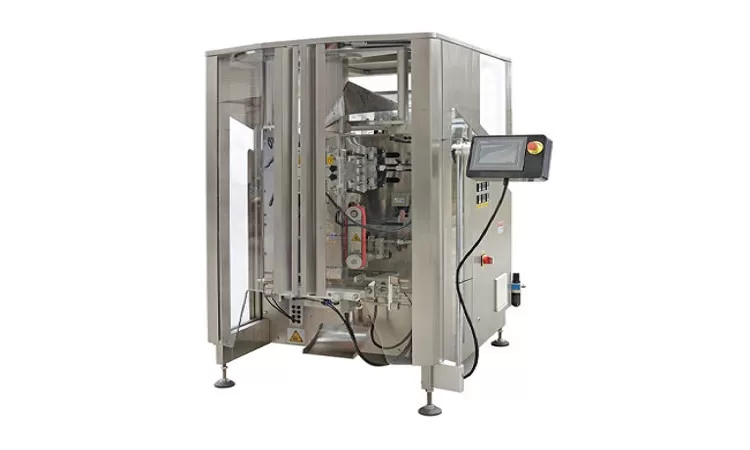
VFFS Equipment: The Ultimate Guide to Vertical Form Fill Seal Technology
13-03-2026 -
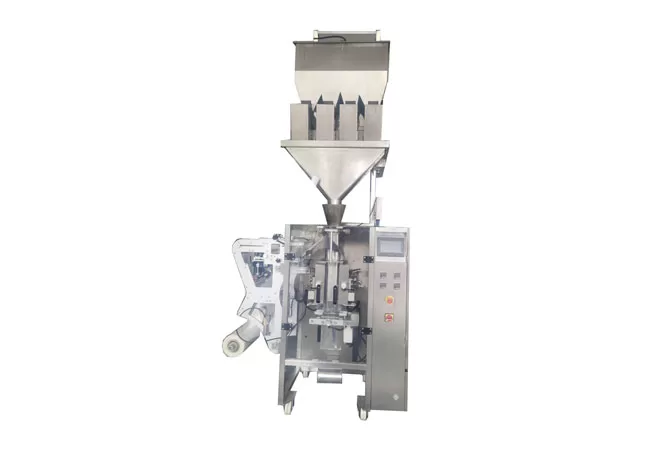
The Essential Guide to Weight Packing Machines for Precision Weighing
12-03-2026 -
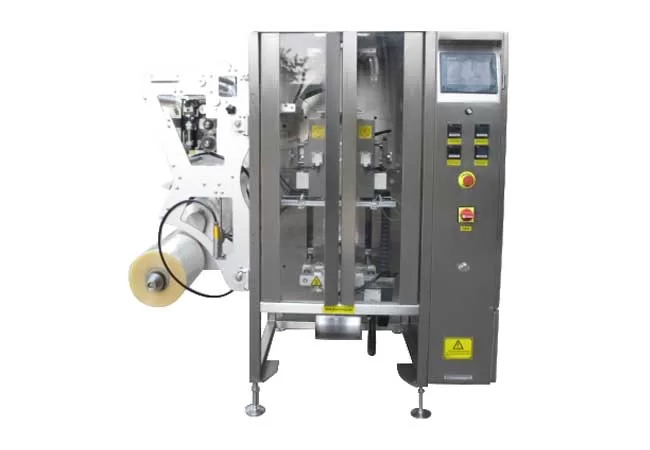
Power Packing Machine: The Ultimate Guide to Heavy-Duty Packaging Efficiency
11-03-2026 -
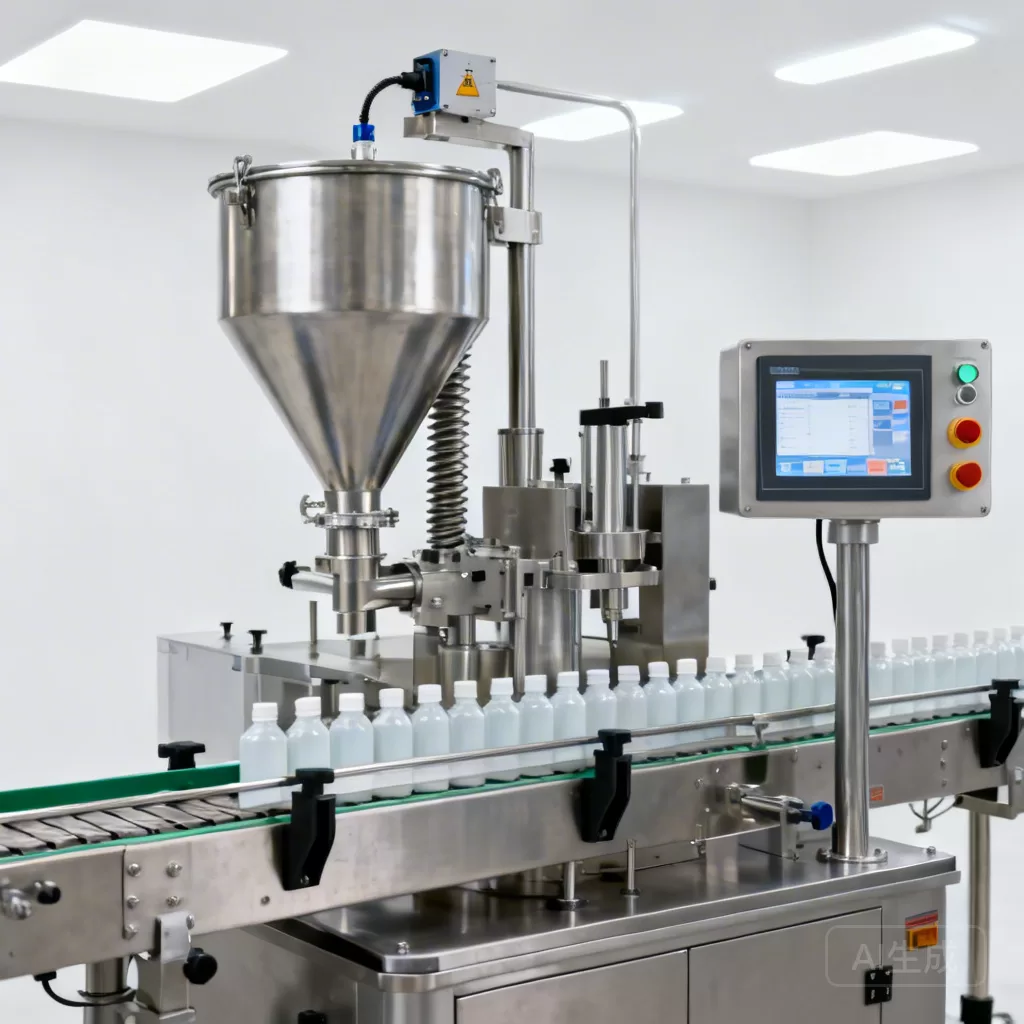
Weigher Packing Machine: The Definitive Guide to Precision Weighing & Packaging
10-03-2026 -
Auger Type Powder Filling Machine: The Ultimate Guide to Precision Packaging
09-03-2026 -
Advanced Packing Solutions: Snacks, Sugar, and Frozen Food Machines
29-10-2025 -
Efficient and Reliable Solutions for Salt, Nuts, and Frozen Dumplings Packing
29-10-2025 -
High-Performance Biscuits, Lollipop, and Ketchup Packing Machines for Modern Food Production
29-10-2025 -
Efficient Liquid Filling and Packing Machines for Modern Production
23-10-2025 -
Reliable Granule Packaging Machines for Efficient Production
23-10-2025
