
Package Systems in Modern Computing
Package Systems: Streamlining Computing Processes
Package systems have revolutionized modern computing by providing pre-built software bundles that simplify installation and deployment procedures. From package managers like npm, pip, and apt-get to containerization tools such as Docker, these systems optimize workflow efficiency and enhance software development practices.
The Evolution of Package Systems
In the early days of computing, software installation was cumbersome, requiring manual configuration and dependency resolution. With the advent of package systems, developers gained access to vast repositories of pre-packaged libraries and applications, enabling seamless integration of complex software components.
Benefits of Using Package Systems
Package systems offer numerous advantages, including:
- Dependency Management: Package managers automatically handle dependencies, ensuring that required libraries are installed correctly.
- Version Control: Users can easily install specific software versions, facilitating reproducibility and compatibility.
- Efficient Updates: Package systems simplify the process of updating software packages, reducing maintenance overhead.
Popular Package Management Tools
Some widely used package management tools include:
- npm (Node Package Manager): A popular package manager for JavaScript, npm simplifies the installation of libraries and frameworks.
- pip (Python Package Installer): Python’s package manager, pip enables seamless installation and management of Python packages.
- apt-get (Advanced Package Tool): A command-line tool for package management in Debian-based Linux distributions, apt-get streamlines software installation.
Containerization and Package Systems
Containerization platforms like Docker leverage package systems to encapsulate applications and their dependencies, facilitating portability and consistency across different environments. By bundling software into lightweight containers, developers can deploy applications reliably and efficiently.
Enhancing Development Workflows
Integrating package systems into development workflows enhances productivity and collaboration among team members. By leveraging shared repositories and version control systems, developers can streamline software delivery processes and minimize deployment errors.
Future Trends in Package Systems
As technology continues to evolve, package systems are expected to become more sophisticated and versatile. Automation tools, AI-driven package managers, and enhanced security measures are likely to shape the future of software distribution and deployment.
Embracing the Power of Packages
Package systems have become indispensable tools for modern software development, offering a streamlined approach to managing dependencies and simplifying deployment tasks. By embracing the power of packages, developers can accelerate project timelines and focus on innovation rather than technical complexities.


-
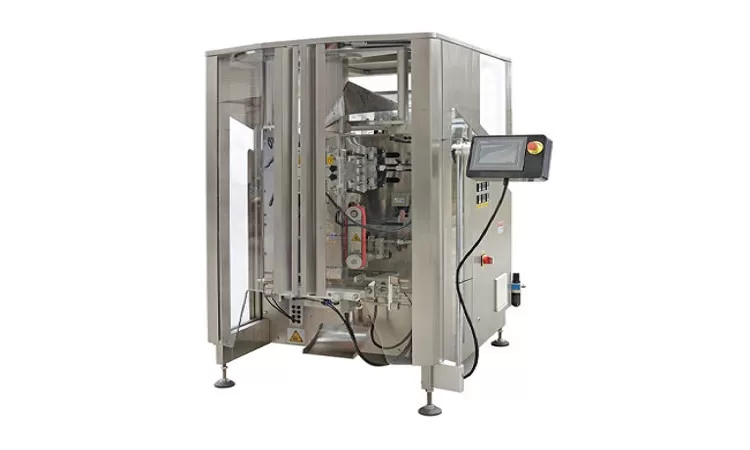
VFFS Equipment: The Ultimate Guide to Vertical Form Fill Seal Technology
13-03-2026 -
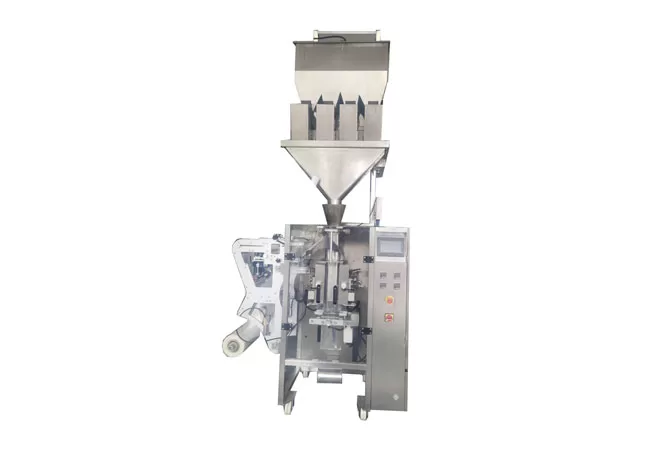
The Essential Guide to Weight Packing Machines for Precision Weighing
12-03-2026 -
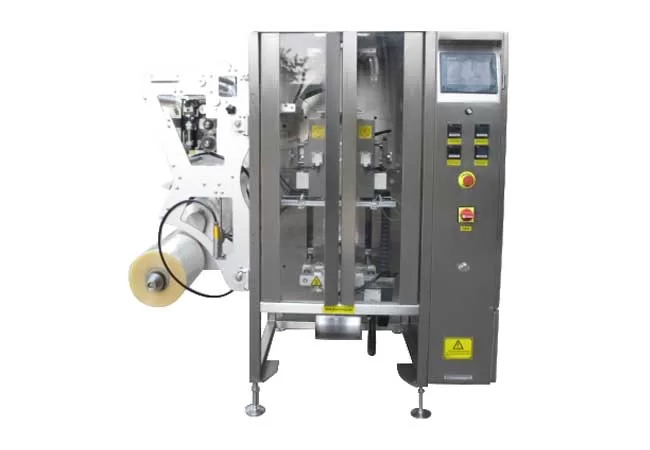
Power Packing Machine: The Ultimate Guide to Heavy-Duty Packaging Efficiency
11-03-2026 -
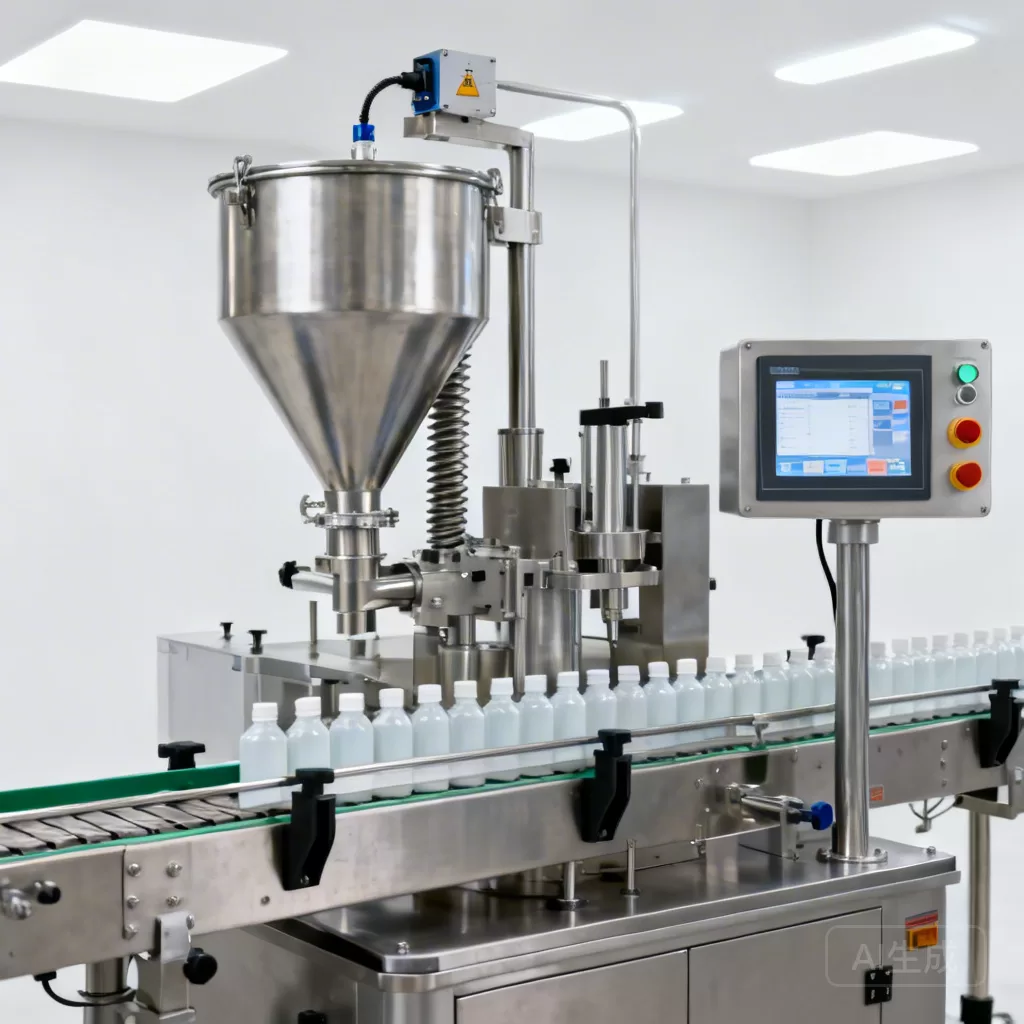
Weigher Packing Machine: The Definitive Guide to Precision Weighing & Packaging
10-03-2026 -
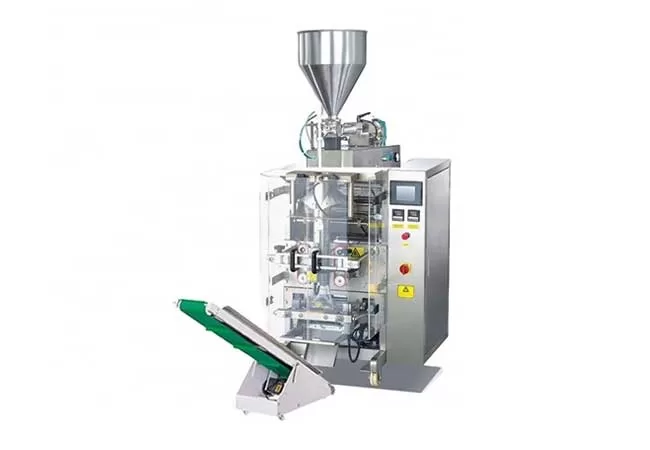
Auger Type Powder Filling Machine: The Ultimate Guide to Precision Packaging
09-03-2026 -
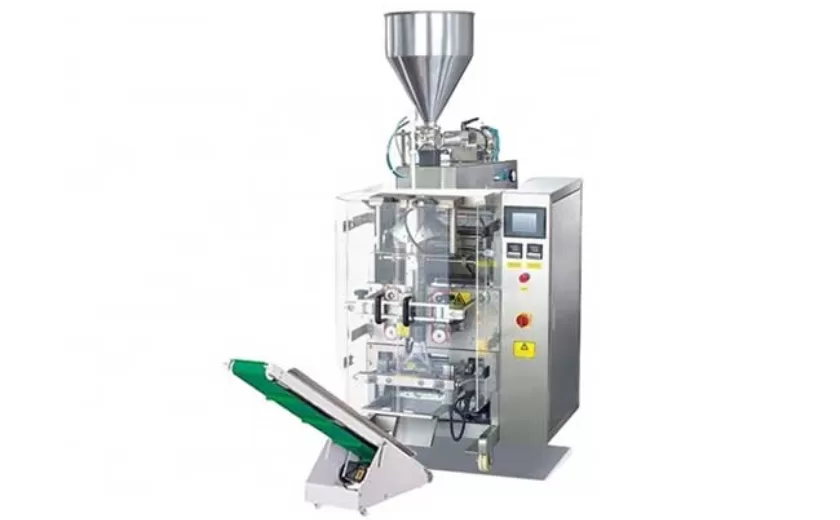
Advanced Packing Solutions: Snacks, Sugar, and Frozen Food Machines
29-10-2025 -
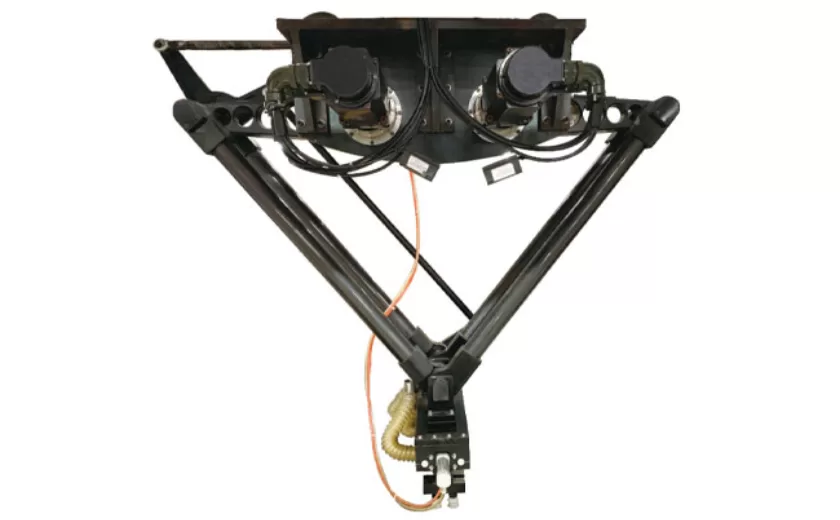
Efficient and Reliable Solutions for Salt, Nuts, and Frozen Dumplings Packing
29-10-2025 -
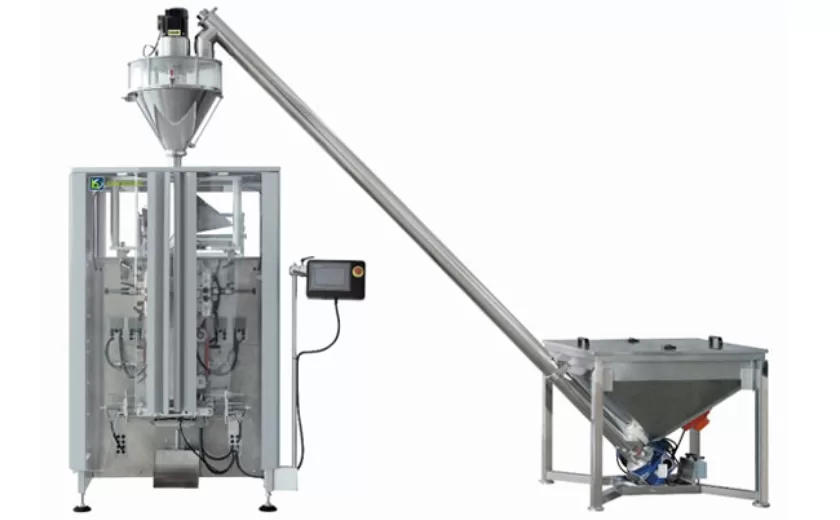
High-Performance Biscuits, Lollipop, and Ketchup Packing Machines for Modern Food Production
29-10-2025 -
Efficient Liquid Filling and Packing Machines for Modern Production
23-10-2025 -
Reliable Granule Packaging Machines for Efficient Production
23-10-2025
