
Liquid Packaging Machinery in Sri Lanka: Innovations and Market Trends
The Evolution of Liquid Packaging Machinery in Sri Lanka
In the vibrant landscape of Sri Lanka’s industrial sector, liquid packaging machinery has undergone a remarkable transformation. From traditional manual processes to cutting-edge automated solutions, the industry has embraced innovation at every turn. As the demand for efficient packaging solutions surges, manufacturers are leveraging technology to enhance productivity and meet the evolving needs of consumers.
Advancements Driving the Market
With growing awareness of sustainability and hygiene, the focus is now on eco-friendly packaging materials and automated machinery that minimize wastage. Sri Lankan companies are investing in state-of-the-art liquid packaging systems that ensure precise filling, sealing, and labeling. These modern machines not only streamline production but also uphold quality standards.
Innovative Features and Functionalities
One of the key trends in liquid packaging machinery is the integration of IoT technology for real-time monitoring and control. This enables manufacturers to track production metrics, identify bottlenecks, and optimize workflows for maximum efficiency. Additionally, advanced sensors and AI algorithms are being used to detect defects and prevent product contamination.
Market Outlook and Growth Potential
As Sri Lanka’s economy continues to expand, the demand for packaged liquids across industries such as food and beverages, pharmaceuticals, and cosmetics is on the rise. This presents a lucrative opportunity for liquid packaging machinery manufacturers to introduce tailor-made solutions that cater to diverse market segments. With a focus on customization and flexibility, companies can stay ahead of the competition and drive innovation in the packaging industry.
Challenges and Solutions
While the future looks promising for liquid packaging machinery in Sri Lanka, there are challenges to overcome, such as high initial investment costs and skilled labor shortage. To address these issues, industry players are exploring cost-effective financing options and investing in workforce training programs. By fostering a culture of continuous learning and improvement, Sri Lanka’s liquid packaging sector can thrive in the face of adversity.
Conclusion
In conclusion, the journey of liquid packaging machinery in Sri Lanka is a testament to the power of innovation and adaptation. By embracing cutting-edge technologies, sustainable practices, and market-driven strategies, manufacturers are poised to shape the future of the packaging industry. With a collaborative approach and a commitment to excellence, Sri Lanka’s liquid packaging sector is set to achieve new heights of success and establish itself as a leading player in the global market.


-
VFFS Equipment: The Ultimate Guide to Vertical Form Fill Seal Technology
13-03-2026 -
The Essential Guide to Weight Packing Machines for Precision Weighing
12-03-2026 -
Power Packing Machine: The Ultimate Guide to Heavy-Duty Packaging Efficiency
11-03-2026 -
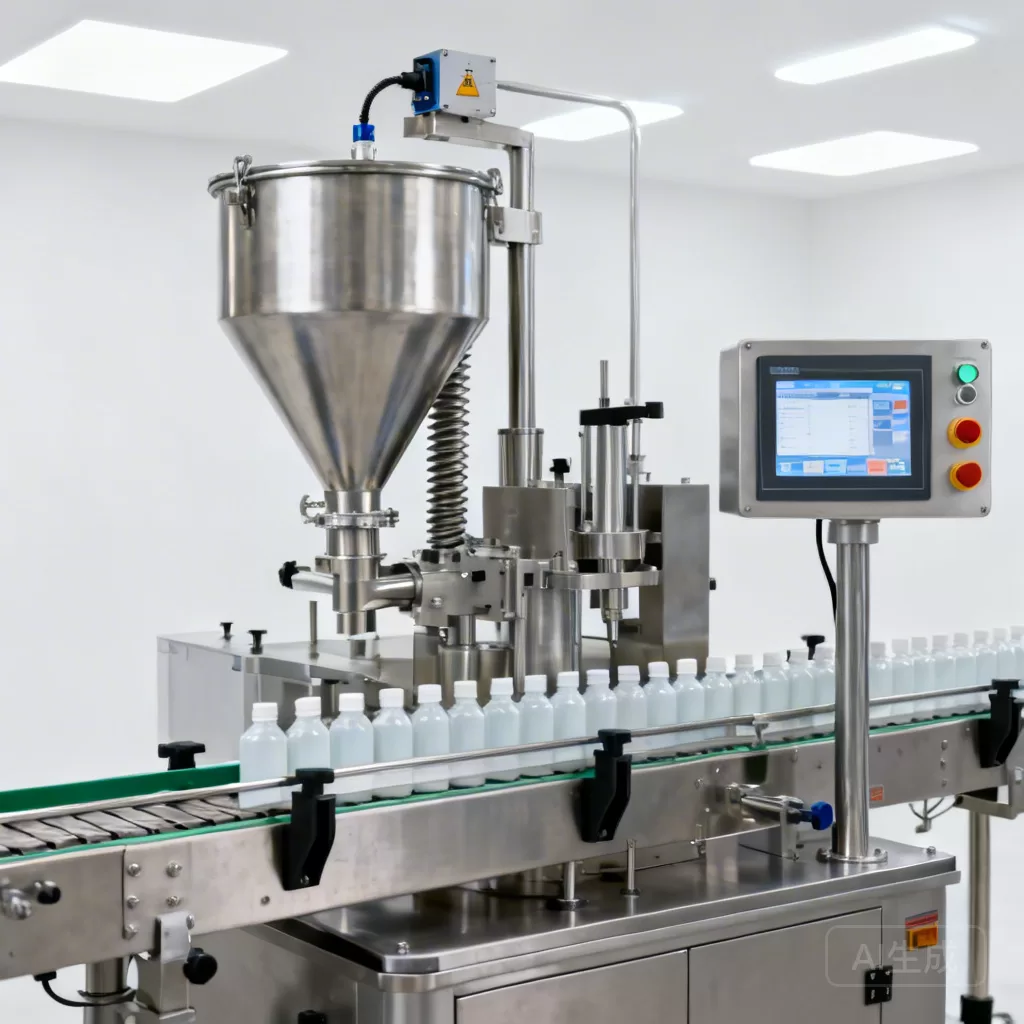
Weigher Packing Machine: The Definitive Guide to Precision Weighing & Packaging
10-03-2026 -
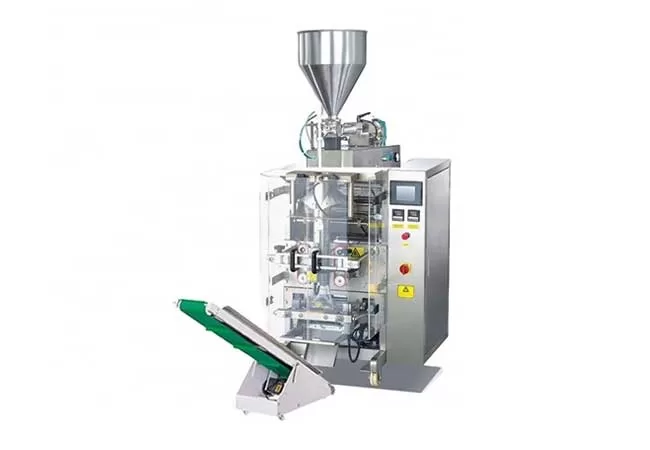
Auger Type Powder Filling Machine: The Ultimate Guide to Precision Packaging
09-03-2026 -
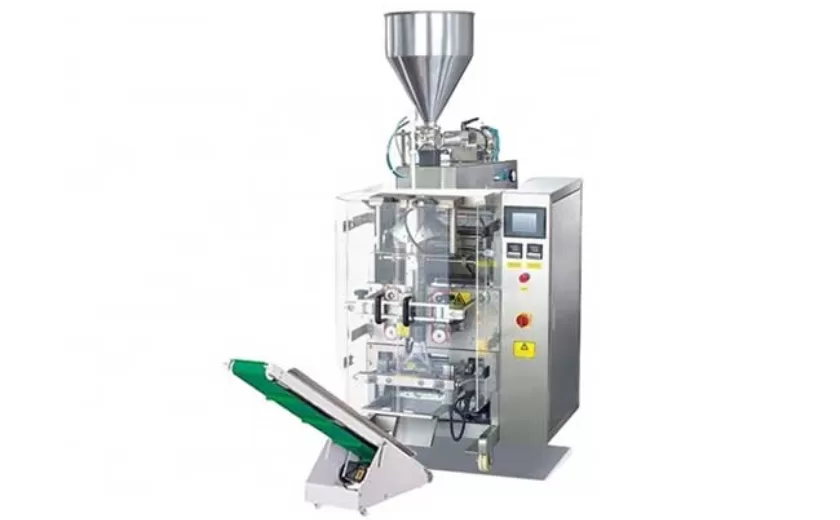
Advanced Packing Solutions: Snacks, Sugar, and Frozen Food Machines
29-10-2025 -
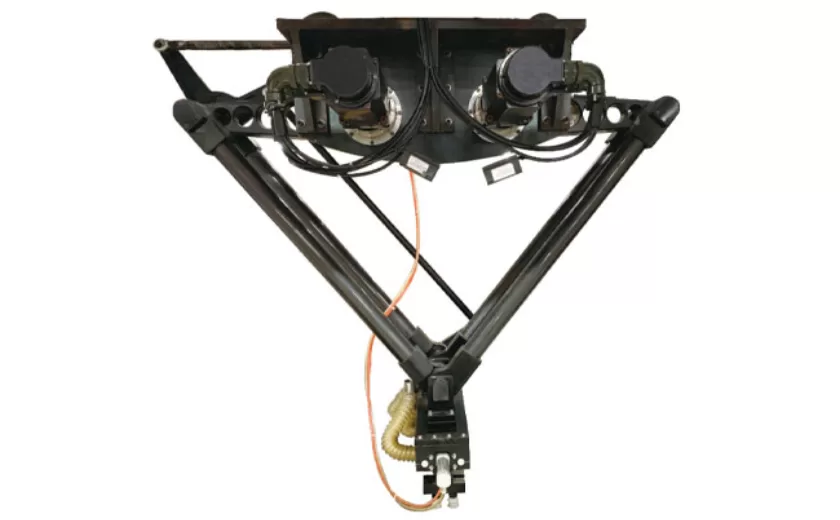
Efficient and Reliable Solutions for Salt, Nuts, and Frozen Dumplings Packing
29-10-2025 -
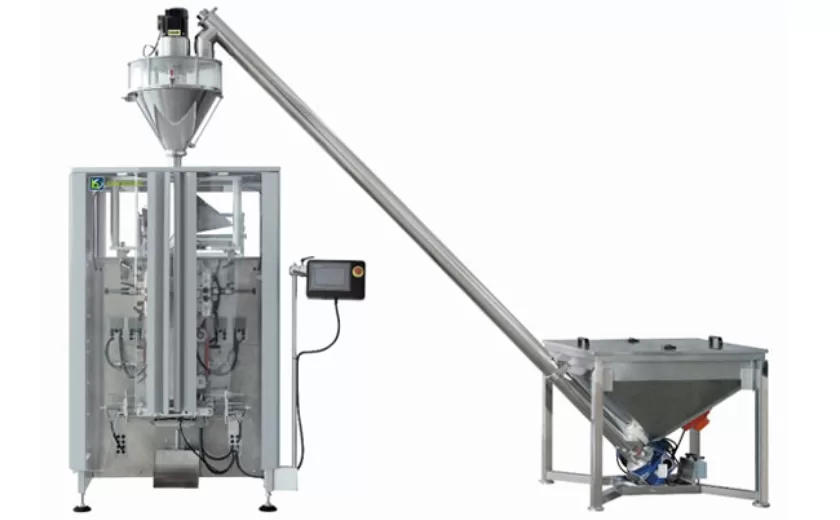
High-Performance Biscuits, Lollipop, and Ketchup Packing Machines for Modern Food Production
29-10-2025 -
Efficient Liquid Filling and Packing Machines for Modern Production
23-10-2025 -
Reliable Granule Packaging Machines for Efficient Production
23-10-2025
