
Exploring the Latest Input Systems: A Comprehensive Review
The Evolution of Input Systems in Modern Computing
In the realm of technology, the way users interact with their devices has undergone a remarkable evolution. From traditional keyboards and mice to touchscreens and voice recognition, input systems have continually advanced to enhance user experience. This article delves into the latest trends in input systems and their impact on the computing landscape.
The Rise of Touch and Gesture-Based Input
Touchscreens have become ubiquitous in the modern world, revolutionizing how we interact with smartphones, tablets, and even laptops. Gesture-based input further augments this experience, allowing users to navigate and control applications intuitively. With the advent of technologies like Apple’s Force Touch and Samsung’s Air Gestures, touch and gesture-based input have taken user interaction to new heights.
Voice Recognition: A Paradigm Shift
Voice recognition has made significant strides in recent years, fueled by advancements in artificial intelligence and machine learning. Virtual assistants like Amazon’s Alexa, Apple’s Siri, and Google Assistant have become integral parts of our daily lives, enabling us to perform tasks through voice commands. As voice technology continues to improve, the possibilities for hands-free, voice-activated interfaces are endless.
The Promise of Haptic Feedback
Haptic feedback technology simulates the sense of touch by delivering tactile sensations to users. This groundbreaking innovation has been adopted in smartphones, gaming controllers, and wearable devices to provide immersive experiences. With the ability to convey textures, vibrations, and even temperature, haptic feedback holds immense potential for enhancing user engagement across various applications.
Augmented Reality and Input Systems
Augmented reality (AR) has opened up a new frontier in user interaction by overlaying digital information onto the physical world. AR glasses and headsets offer innovative input mechanisms, allowing users to interact with virtual elements in a three-dimensional space. The fusion of AR technology with advanced input systems is paving the way for immersive computing experiences that blur the line between the virtual and physical realms.
Conclusion
The continuous evolution of input systems is reshaping the way we engage with technology, offering diverse and dynamic ways to interact with digital interfaces. As innovations in touch, voice, haptic, and augmented reality technologies progress, the future holds limitless possibilities for creating rich, interactive user experiences.


-
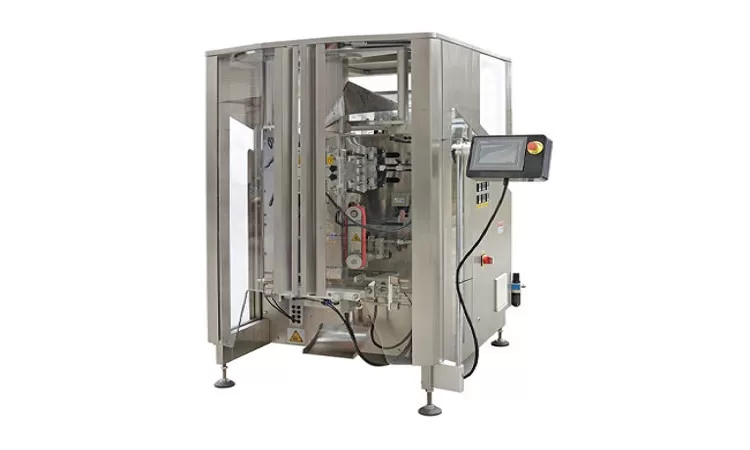
VFFS Equipment: The Ultimate Guide to Vertical Form Fill Seal Technology
13-03-2026 -
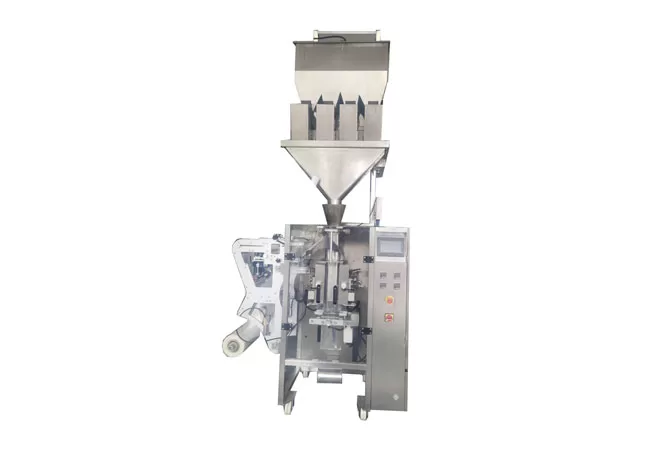
The Essential Guide to Weight Packing Machines for Precision Weighing
12-03-2026 -
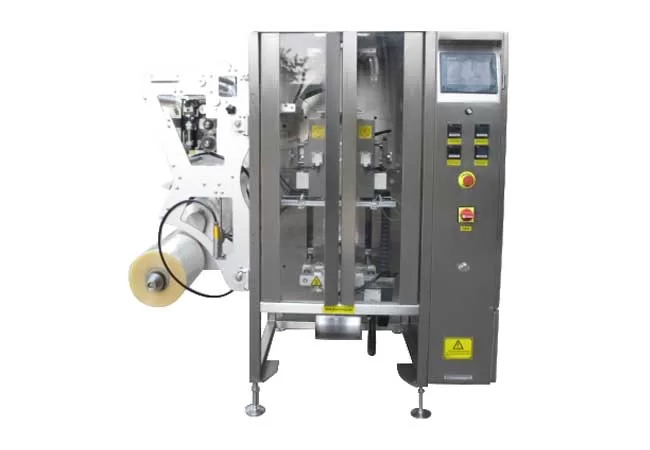
Power Packing Machine: The Ultimate Guide to Heavy-Duty Packaging Efficiency
11-03-2026 -

Weigher Packing Machine: The Definitive Guide to Precision Weighing & Packaging
10-03-2026 -
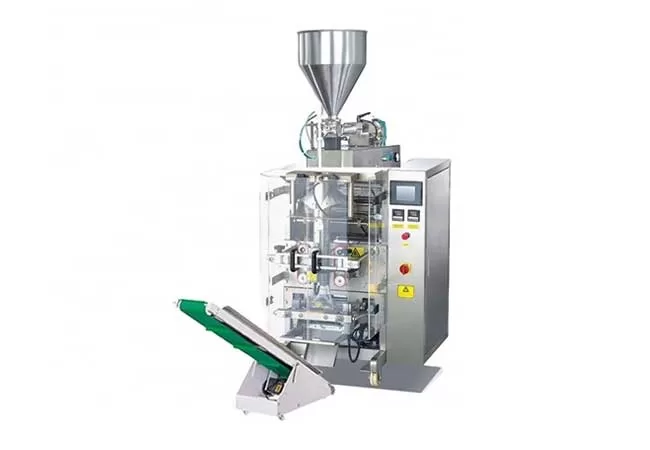
Auger Type Powder Filling Machine: The Ultimate Guide to Precision Packaging
09-03-2026 -
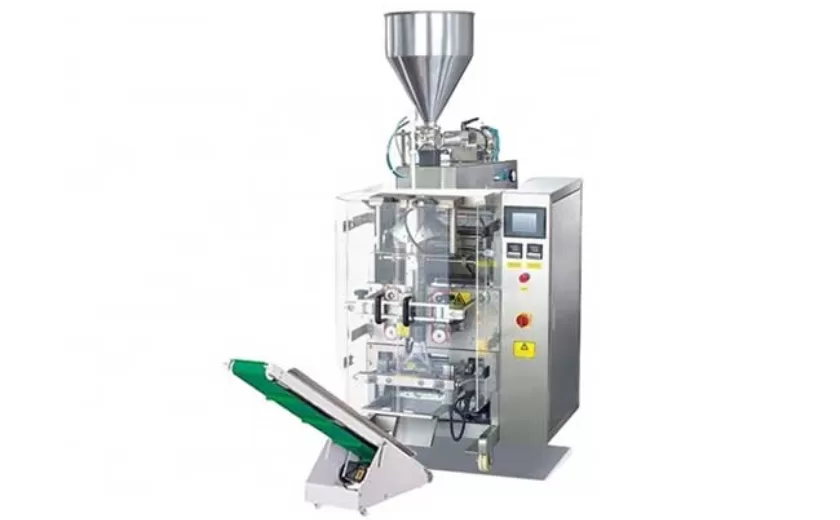
Advanced Packing Solutions: Snacks, Sugar, and Frozen Food Machines
29-10-2025 -
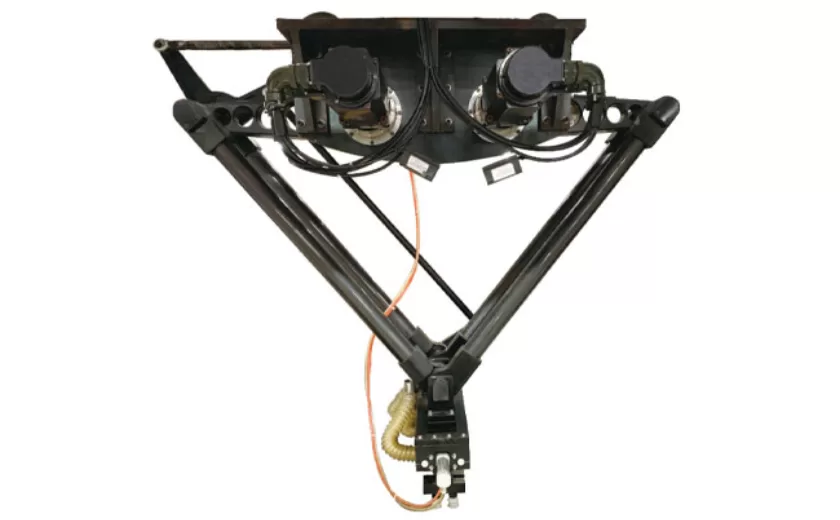
Efficient and Reliable Solutions for Salt, Nuts, and Frozen Dumplings Packing
29-10-2025 -
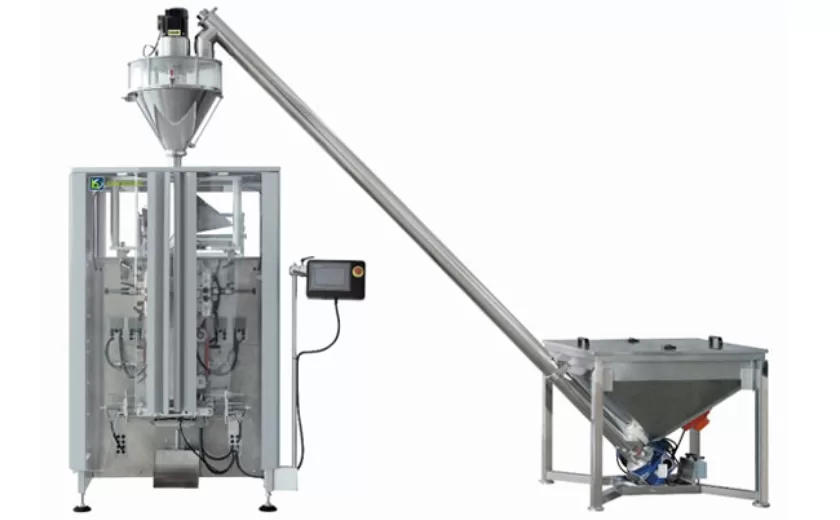
High-Performance Biscuits, Lollipop, and Ketchup Packing Machines for Modern Food Production
29-10-2025 -
Efficient Liquid Filling and Packing Machines for Modern Production
23-10-2025 -
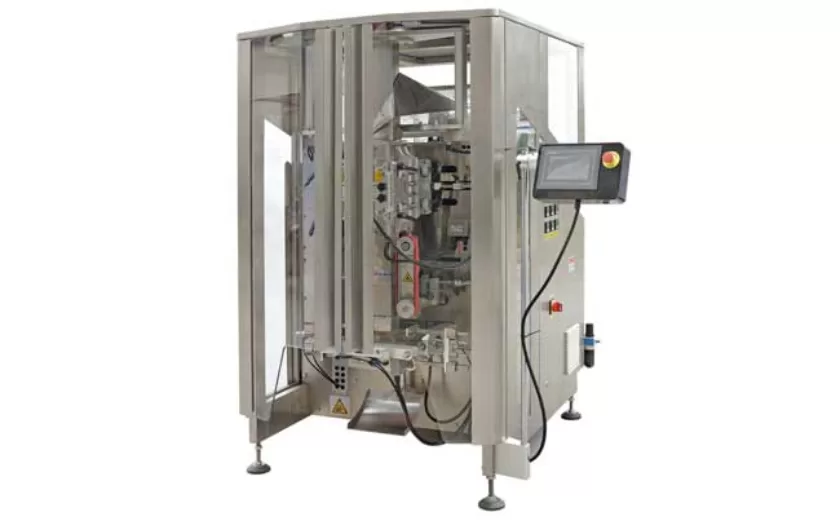
Reliable Granule Packaging Machines for Efficient Production
23-10-2025
