
Exploring the Fascinating World of Package Systems
Unraveling the Intricacies of Package Systems
A package system is more than just a mechanism for organizing components—it’s a gateway to efficiency in software development. As developers, we engage with these systems daily, yet their intricacies often remain unexplored. Let’s embark on a journey through the dimensions of package systems, unraveling their significance and impact on modern software engineering.
The Birth of Package Systems
Package systems trace their origins back to the early days of computing, where organizing code was a cumbersome task. As software projects grew in complexity, the need for a structured approach became evident. This led to the evolution of package managers like npm, pip, and composer, revolutionizing how dependencies are managed.
Benefits of Package Systems
One of the primary advantages of package systems is code reusability. By breaking down software into modular components, developers can leverage existing libraries and frameworks, saving time and effort. Additionally, package systems facilitate version control, ensuring that projects remain consistent and up-to-date.
Challenges and Considerations
While package systems offer numerous benefits, they also present challenges. Dependency conflicts, security vulnerabilities, and compatibility issues are common pitfalls that developers encounter. It is crucial to strike a balance between leveraging third-party packages and maintaining a robust, reliable codebase.
Best Practices
To maximize the benefits of package systems, developers should adhere to best practices. Conducting regular audits of dependencies, updating packages frequently, and implementing robust testing procedures can mitigate risks and enhance software quality. Furthermore, documenting package usage and versioning strategies can streamline collaboration and troubleshooting.
Future Trends
The landscape of package systems is continually evolving. With the rise of containerization and microservices architecture, new paradigms in dependency management are emerging. As technologies advance, developers must stay agile and adapt to changing trends in package ecosystems.
Exploration Continues
Package systems serve as the backbone of modern software development, enabling teams to build innovative solutions efficiently. By delving into the complexities of package management, developers gain a deeper understanding of software architecture and enhance their coding practices. As the realm of technology expands, the exploration of package systems will undoubtedly remain a dynamic and evolving journey.


-
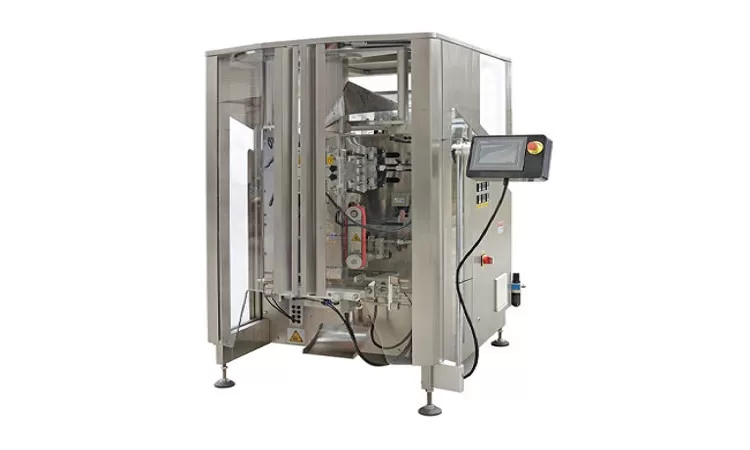
VFFS Equipment: The Ultimate Guide to Vertical Form Fill Seal Technology
13-03-2026 -
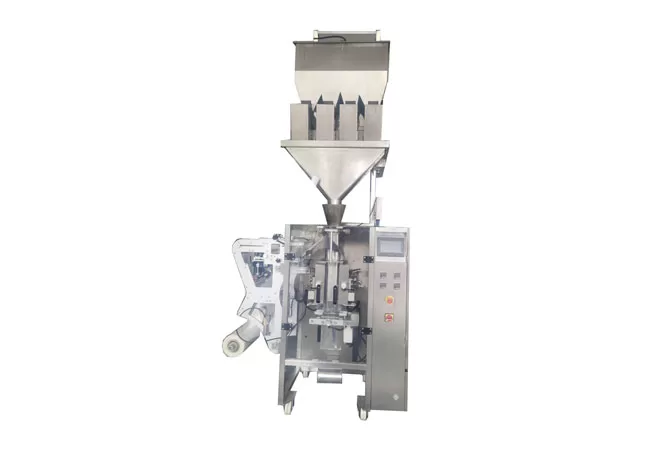
The Essential Guide to Weight Packing Machines for Precision Weighing
12-03-2026 -
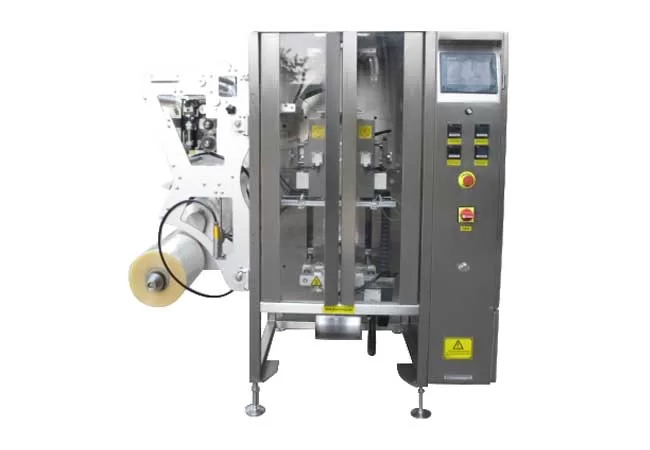
Power Packing Machine: The Ultimate Guide to Heavy-Duty Packaging Efficiency
11-03-2026 -
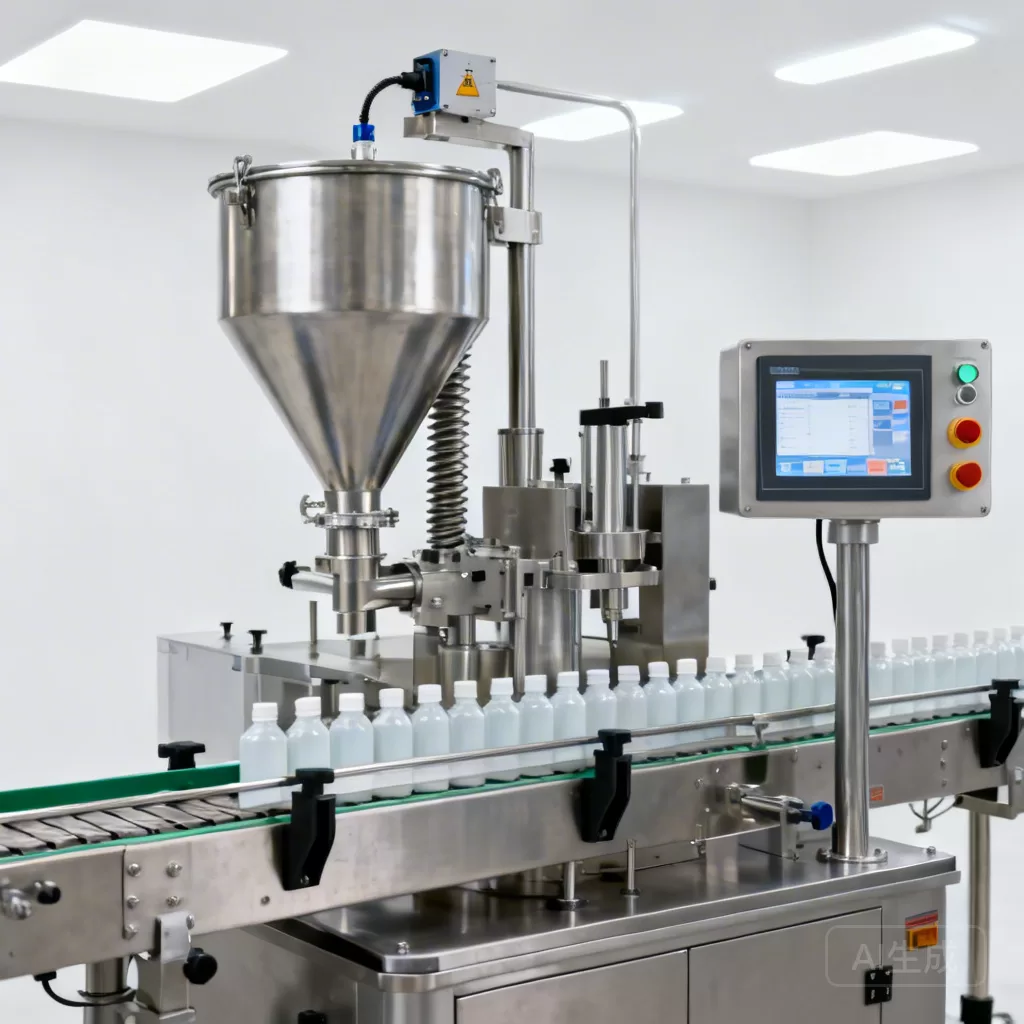
Weigher Packing Machine: The Definitive Guide to Precision Weighing & Packaging
10-03-2026 -
Auger Type Powder Filling Machine: The Ultimate Guide to Precision Packaging
09-03-2026 -
Advanced Packing Solutions: Snacks, Sugar, and Frozen Food Machines
29-10-2025 -
Efficient and Reliable Solutions for Salt, Nuts, and Frozen Dumplings Packing
29-10-2025 -
High-Performance Biscuits, Lollipop, and Ketchup Packing Machines for Modern Food Production
29-10-2025 -
Efficient Liquid Filling and Packing Machines for Modern Production
23-10-2025 -
Reliable Granule Packaging Machines for Efficient Production
23-10-2025
