
Circular Packaging Revolution: Sustainable Solutions for the Future
The Future of Packaging: Embracing a Circular Economy
In recent years, the world has started to witness a paradigm shift in how we approach packaging. With growing awareness of environmental issues, the focus has shifted towards creating sustainable solutions that minimize waste and reduce the impact on our planet. Circular packaging systems have emerged as a promising way to address these challenges while still meeting the needs of consumers and businesses.
What exactly is a circular packaging system, and why is it important? A circular economy model aims to keep resources in use for as long as possible, extract the maximum value from them while in use, then recover and regenerate products and materials at the end of each service life. Applying this concept to packaging involves rethinking the entire lifecycle of packaging materials, from production to disposal.
The Benefits of Circular Packaging
One of the key advantages of circular packaging is its potential to reduce waste and minimize the environmental impact of packaging materials. By designing packaging for multiple uses or ensuring that materials are easily recyclable, companies can contribute to a more sustainable future. Additionally, circular packaging systems can help businesses improve their resource efficiency, reduce costs, and enhance their brand image by demonstrating a commitment to environmental stewardship.
Designing for the Circular Economy
Creating packaging that aligns with circular economy principles requires a holistic approach. This includes using renewable or recyclable materials, designing products for disassembly and reuse, and investing in innovative packaging solutions that prioritize sustainability. Companies that successfully implement circular packaging systems can not only reduce their environmental footprint but also gain a competitive edge in the market.
Challenges and Opportunities
While the adoption of circular packaging systems presents numerous benefits, it also comes with challenges. Companies may face obstacles such as cost implications, regulatory requirements, and supply chain complexities. However, overcoming these challenges can lead to new opportunities for innovation, collaboration, and market differentiation.
Case Studies
Several companies have already embraced circular packaging systems and are setting an example for the industry. From reusable packaging solutions to organic materials and innovative design concepts, these companies are demonstrating the viability and impact of sustainable packaging practices. By sharing their success stories, they inspire others to follow suit and drive positive change in the packaging industry.
Looking Ahead
As we move towards a more sustainable future, circular packaging systems will play a vital role in shaping the way we package and consume products. By prioritizing environmental stewardship and embracing innovative solutions, businesses can not only reduce their carbon footprint but also contribute to a healthier planet for future generations.


-
VFFS Equipment: The Ultimate Guide to Vertical Form Fill Seal Technology
13-03-2026 -
The Essential Guide to Weight Packing Machines for Precision Weighing
12-03-2026 -
Power Packing Machine: The Ultimate Guide to Heavy-Duty Packaging Efficiency
11-03-2026 -
Weigher Packing Machine: The Definitive Guide to Precision Weighing & Packaging
10-03-2026 -
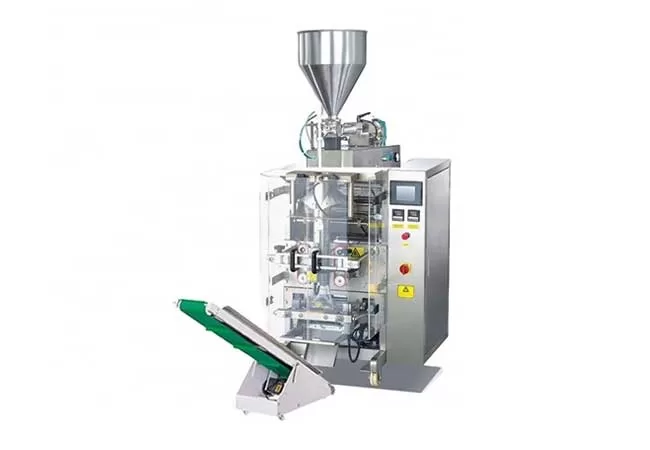
Auger Type Powder Filling Machine: The Ultimate Guide to Precision Packaging
09-03-2026 -
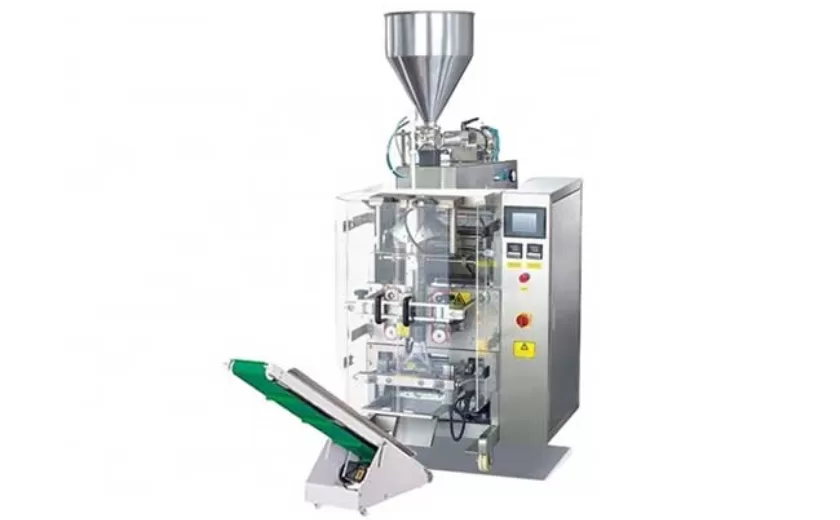
Advanced Packing Solutions: Snacks, Sugar, and Frozen Food Machines
29-10-2025 -
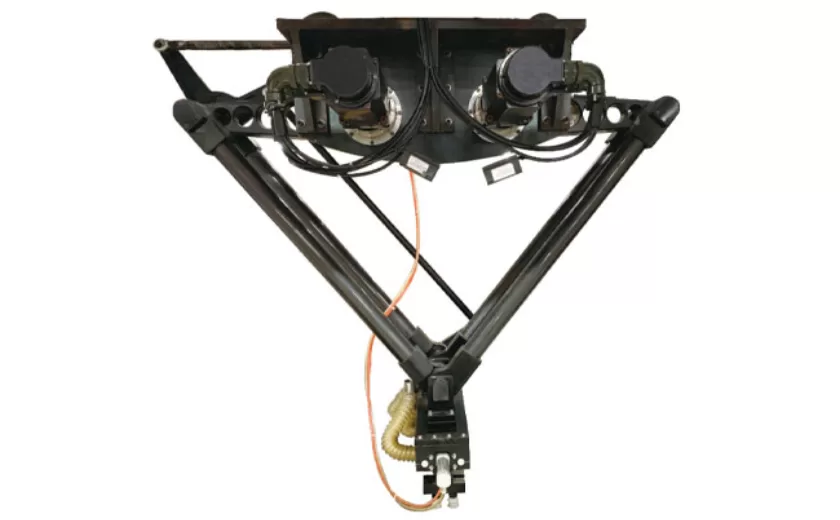
Efficient and Reliable Solutions for Salt, Nuts, and Frozen Dumplings Packing
29-10-2025 -
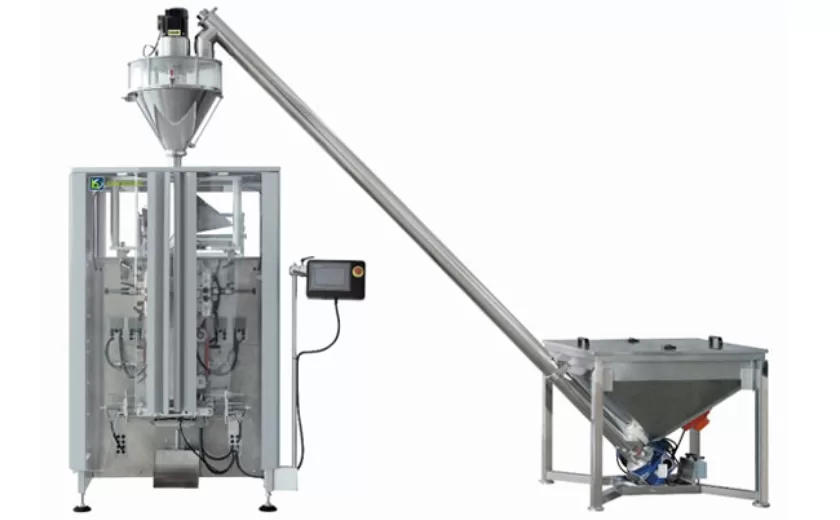
High-Performance Biscuits, Lollipop, and Ketchup Packing Machines for Modern Food Production
29-10-2025 -
Efficient Liquid Filling and Packing Machines for Modern Production
23-10-2025 -
Reliable Granule Packaging Machines for Efficient Production
23-10-2025
