
A Modern Perspective on Court Packing and its Implications
The Debate around Court Packing: An Insightful Examination
As the political landscape experiences significant shifts, one enduringly controversial topic is the concept of court packing. Amidst a divided society and a polarized court, the idea of expanding the number of justices on the Supreme Court lingers as a potentially transformative solution. Let’s delve into this complex debate, exploring its historical context, contemporary relevance, and potential implications.
Understanding Court Packing
Court packing refers to the practice of increasing the number of justices in a court, specifically the Supreme Court in this context. Traditionally consisting of nine justices, proposals to alter this number have historically sparked intense debates. While the U.S. Constitution does not specify the exact number of justices, the Judiciary Act of 1869 set the number at nine, where it has remained since.
The Historical Precedent
The most well-known attempt at court packing occurred during the New Deal era under President Franklin D. Roosevelt. Frustrated by Supreme Court decisions invalidating parts of his legislative agenda, Roosevelt proposed to expand the court to as many as 15 justices. This initiative, however, faced significant pushback from both political parties and the public, ultimately failing to materialize.
The Contemporary Debate
Fast forward to today, court packing continues to be a topic of heated discussion. With the judiciary increasingly seen as partisan and divided, calls for expanding the Supreme Court have resurfaced. Advocates argue that increasing the number of justices could rebalance the court and ensure a fair representation of diverse ideologies, while critics view it as a dangerous politicization of the judiciary.
The Implications
Should court packing be implemented, its consequences would reverberate across the legal and political spheres. From potential shifts in jurisprudence to altering the dynamics of the court, the effects of such a move are vast and uncertain. Furthermore, the long-term impacts on the judiciary’s credibility and independence raise critical questions about the balance of power in the U.S. government.
Conclusion
Court packing remains a deeply divisive and consequential issue, embodying the tension between political expediency and institutional integrity. As policymakers and citizens grapple with the complexities of this debate, one thing is clear—any decision regarding the structure of the judiciary must be approached with caution, foresight, and a profound respect for the principles that underpin the rule of law.


-
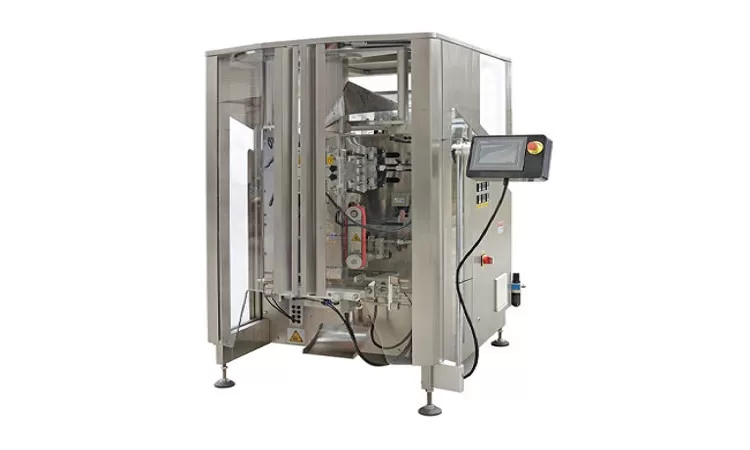
VFFS Equipment: The Ultimate Guide to Vertical Form Fill Seal Technology
13-03-2026 -
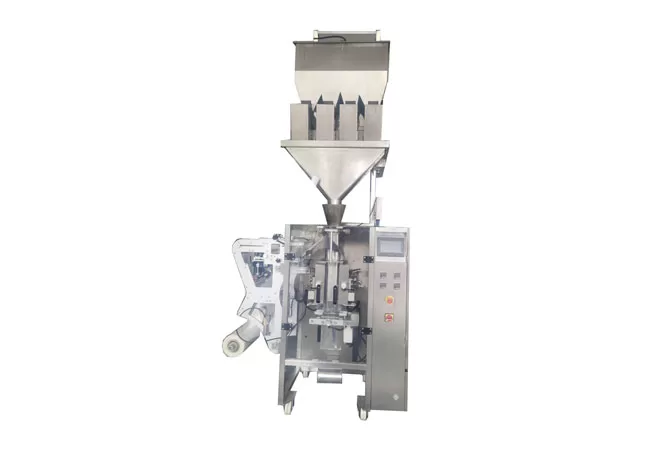
The Essential Guide to Weight Packing Machines for Precision Weighing
12-03-2026 -
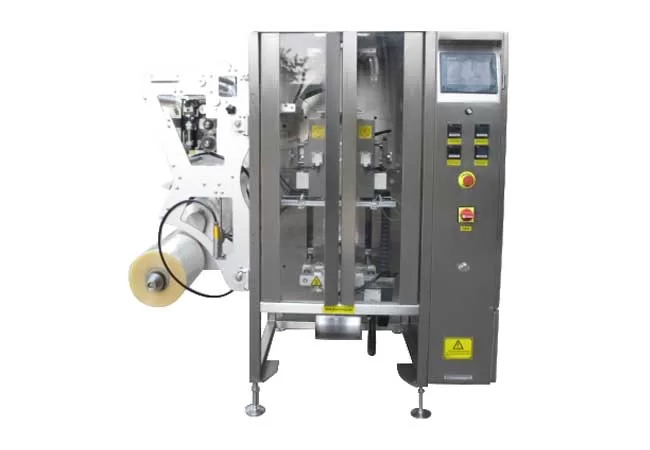
Power Packing Machine: The Ultimate Guide to Heavy-Duty Packaging Efficiency
11-03-2026 -

Weigher Packing Machine: The Definitive Guide to Precision Weighing & Packaging
10-03-2026 -

Auger Type Powder Filling Machine: The Ultimate Guide to Precision Packaging
09-03-2026 -
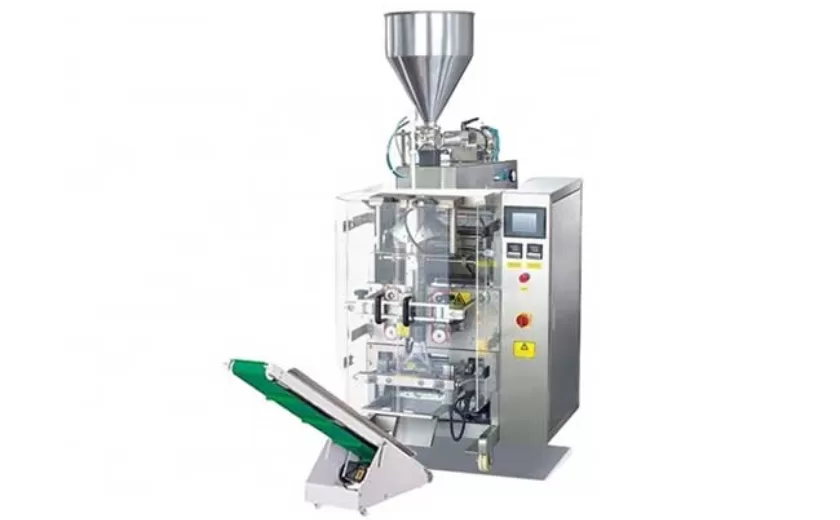
Advanced Packing Solutions: Snacks, Sugar, and Frozen Food Machines
29-10-2025 -
Efficient and Reliable Solutions for Salt, Nuts, and Frozen Dumplings Packing
29-10-2025 -

High-Performance Biscuits, Lollipop, and Ketchup Packing Machines for Modern Food Production
29-10-2025 -
Efficient Liquid Filling and Packing Machines for Modern Production
23-10-2025 -
Reliable Granule Packaging Machines for Efficient Production
23-10-2025
